Disney World
-
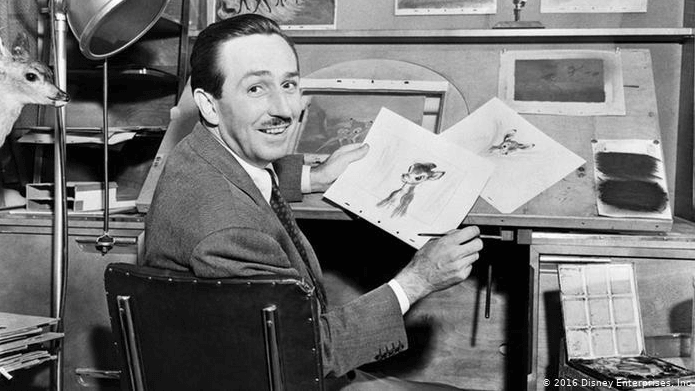
Since the death of Walt Disney in 1966, the company suffered in the animation industry, failing to reproduce massively successful productions. That lack of memorable films and characters was felt across its theme parks, as well. Disneyland parks have relied heavily on the local population to stay profitable. Thus, to attract nearby residents, they require…
-
Disney invests a lot of money and resources in marketing and advertising. Even though the company offers experiences for the whole family, it doesn’t target the whole family at the same time. Instead, it segments its target audience and uses different tactics. For example, they promote new park rides to children to create demand (or…
-

One distinctive and powerful strategic move that Disney did from very early on was to separate its brand from its marketing. Instead, it made brand a strategy function, a decision that influenced the company’s trajectory immensely. The addressing of its brand as a strategic variable led to many of the competitive advantages that Disney achieved over…
-
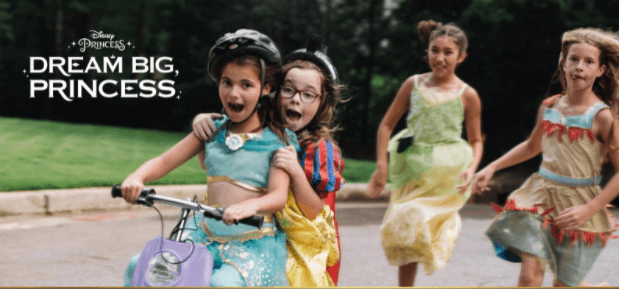
Key Takeaway: Engage your customers and develop meaningful relationships All of Disney’s interactions with its customers aim at creating or enhancing the relationship between the brand and its customers. Arguably, media and entertainment companies have more opportunities to engage and foster relationships with their customers. However, purposefully engaging with customers is imperative for every organization…
-
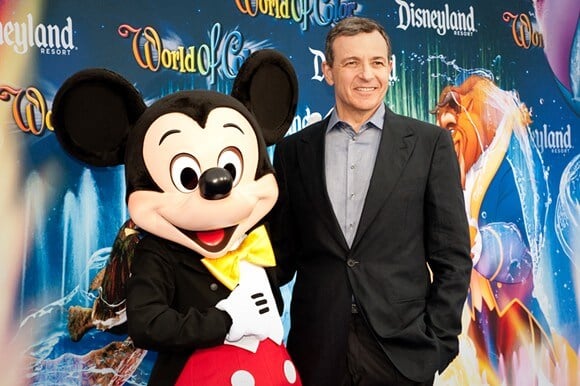
Technological advances have profoundly impacted the media and entertainment industry. If companies are to survive the disruption, their leadership should always have their eyes on the future and the company’s foot in it. That’s Bob Iger’s view. Consequently, sensitivity to changes in an industry or consumer behavior becomes necessary. ESPN was the first to signal…
-

Leaders should always develop a futuristic approach when considering their strategy. Having open and sensitive channels permits early detection of disruptive tendencies within their industry. Once those tendencies have been detected, it takes great courage to accept them and leave behind the old ways of doing business. However, those who take advantage of the opportunity…
-
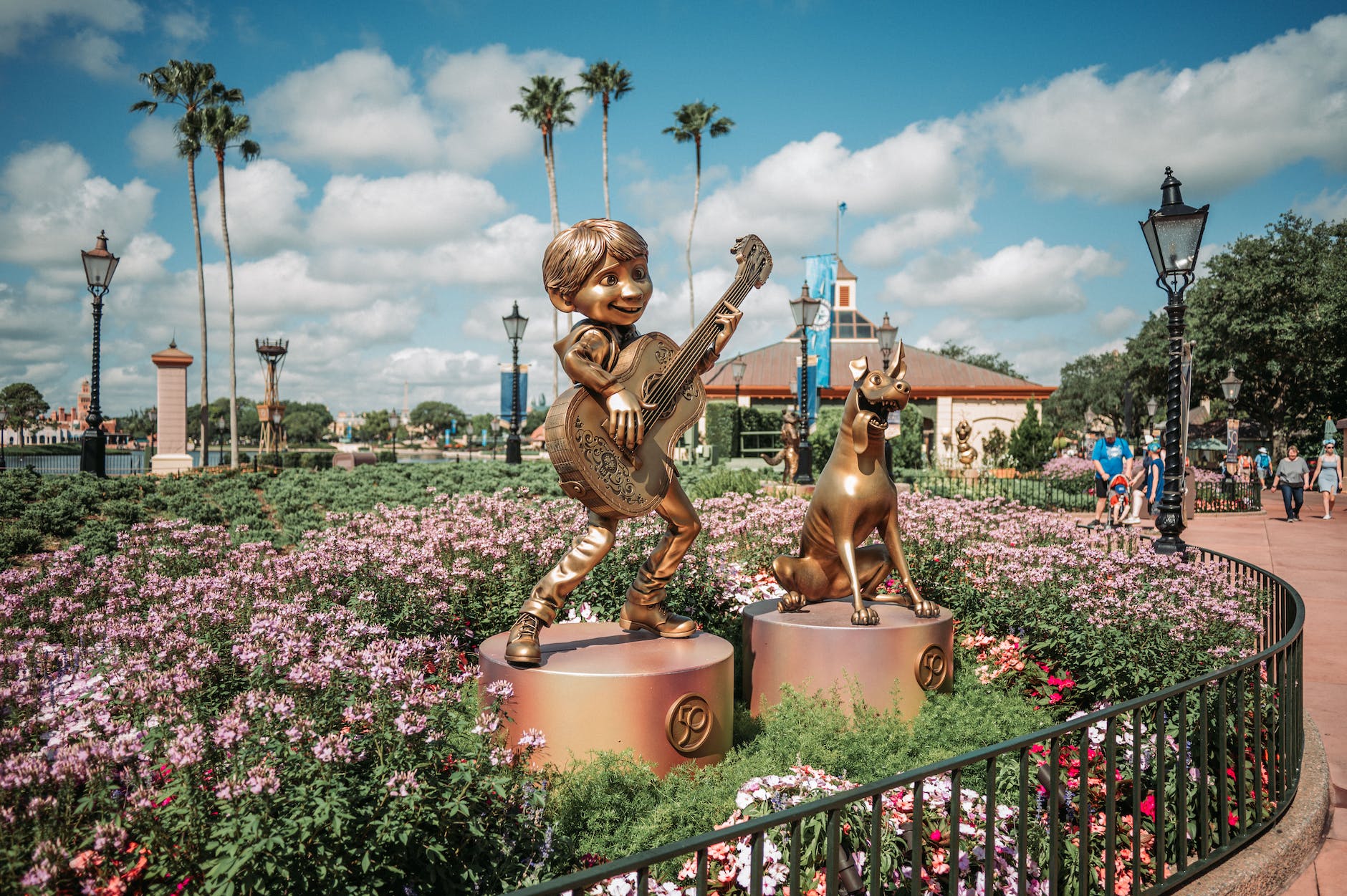
One of Disney’s major revenue generators is its physical products. The company advertises its products in all the traditional ways that other companies do as well, but it has one enormously advantageous leverage. Instead of building stories to surround its products and then try to sell them by promoting the stories, as most businesses do,…
-

Key Takeaway #1: A clear vision drives perseverance and innovation The Walt Disney Company’s international and intergenerational success didn’t occur by accident. Its founder’s clarity of vision and unrestful spirit drove him to take multiple risks in his career and achieve some of the greatest innovations of his industry. His failures and setbacks, though many,…
-
The first and biggest challenge that Iger had to face before that idea could ever become a reality was the disdainful attitude towards Disney of Pixar’s controlling shareholder, Steve Jobs. Pixar and Disney were already doing business together for some time with Disney co-funding, co-owning, marketing and distributing many of Pixar’s films. However, their partnership…
-

There is only one brand in the world associated so powerfully and undeniably with the feelings of warmth, joy, and magic: Disney. This almost-100-year-old organization has proven time and again that businesses can have intergenerational impact and influence. The company’s trajectory has fluctuated throughout its long history, but at its highest points, it has left…
You must be logged in to post a comment.