One of Disney’s major revenue generators is its physical products. The company advertises its products in all the traditional ways that other companies do as well, but it has one enormously advantageous leverage.
Instead of building stories to surround its products and then try to sell them by promoting the stories, as most businesses do, its products sprung out of the stories. First comes the story and then the products.
The success of the story in the first place creates a healthy or sometimes overwhelming demand for physical products. Then, capitalizing on the popularity of the story, they supply their already pumped-up audience with their branded merchandise.
And they can charge a premium price for them. They’re not just selling toys; they are selling the opportunity to be part of the story, take the characters home, and relive their adventures with them. Again, they’re selling the Disney experience.
This reverse marketing has its risks, though. If the stories (read movies) are not so successful or cute characters feel forced, their merchandise sales take a serious toll.
For example, Star Wars had a huge boost in merchandise sales in 2015 due to the first movie’s release after 10 years, but in the following years, the sales moved downwards. Disney’s failed attempt at a Star Wars spinoff movie seriously impacted its product sales.
Theme parks marketing
Disney is the theme park industry leader with a higher annual attendance than the next two corporations together. This is no small feat.
Disney’s theme park depends a lot on the attendance of the local population. For that reason, every new ride and show is heavily promoted in the local channels to attract repeat customers and offer them fresh experiences.
The company follows a different tactic to attract international visitors. Its marketing campaigns of the theme parks aim at placing them as ideal traveling or holiday destinations. They promise a novel, all-inclusive experience that provides solutions to almost any concern of the potential guests.
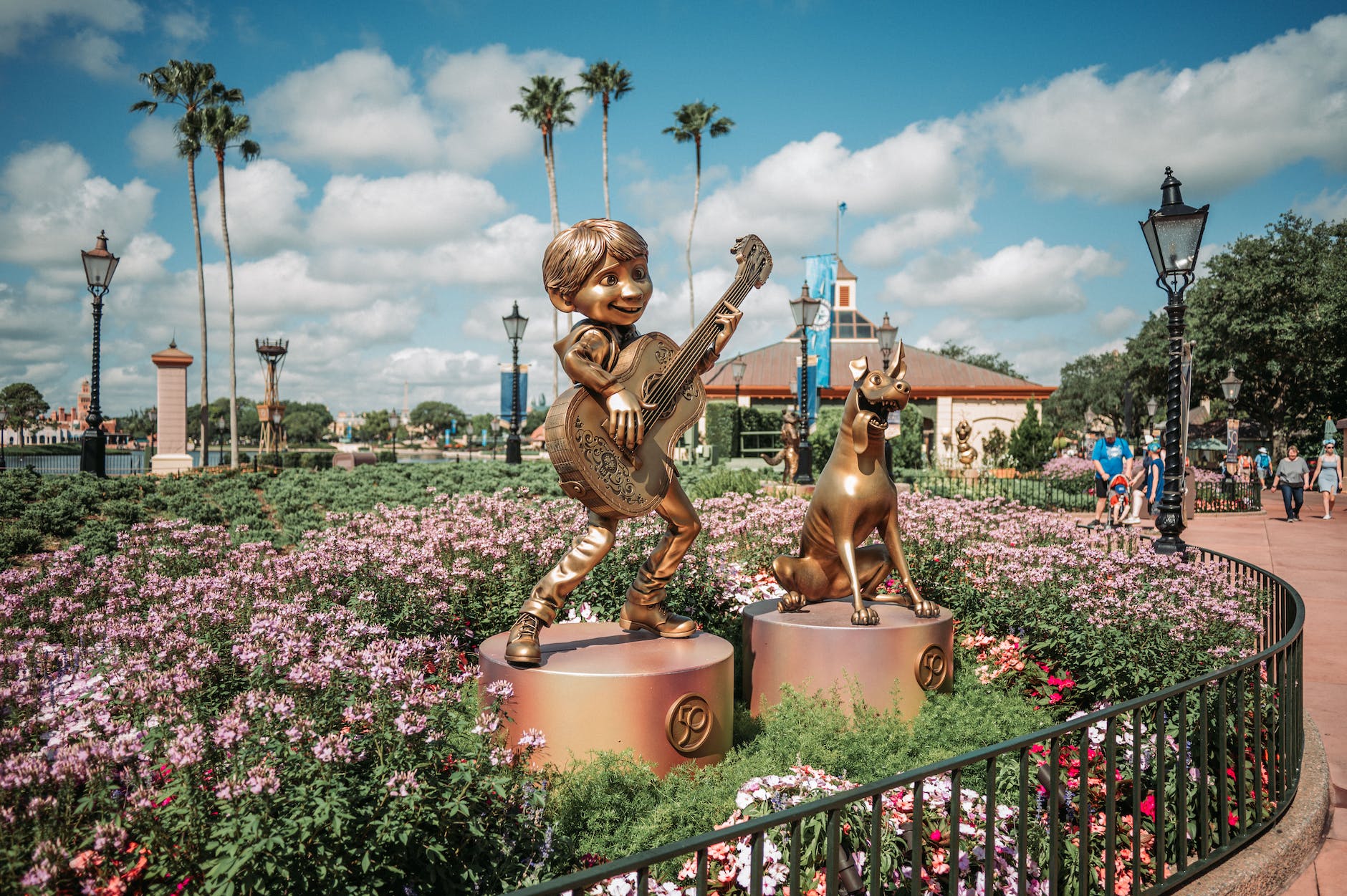
But advertising doesn’t stop once the guests enter the gates of a park. Every theme park experience is carefully designed to be immersive and urges the guests to make it memory tokens by taking pictures and videos and sharing them online.
Through the excitement and the joyful participation, Disney makes micro advocates of its brand out of its guests. Simply put, people love sharing and telling the world how awesome their Disney experience is. And Disney compels them to do it.
Leave a Reply