The date of April 4 sits squarely in the Northern Hemisphere’s hopeful spring and the Southern Hemisphere’s gradual autumn. It is a day that, across centuries and continents, has proven to be a nexus of human experience—a day where the arc of justice bent, where artistic genius was both born and silenced, where the foundations of technology were laid, and where the raw power of nature reminded us of our place in the world. From the streets of Memphis to the runways of Paris, from the football pitches of England to the corporate boardrooms of Silicon Valley, April 4 stands as a testament to the fact that history is not merely a sequence of dates, but a collection of moments that continue to shape our present reality.
Part I: The Birth of Genius and the Passing of Giants
Remarkable Births
April 4 has long been a fertile date for the birth of individuals who would go on to redefine culture, thought, and society.
- Maya Angelou (1928–2014), United States: Born Marguerite Annie Johnson in St. Louis, Missouri, Angelou’s birth on this day marked the arrival of one of the most profound voices in American literature. Her autobiography, I Know Why the Caged Bird Sings, was a groundbreaking work that gave unflinching testimony to the Black female experience. Beyond her writing, she was a poet, a civil rights activist, a dancer, and a singer. Her recitation of “On the Pulse of Morning” at President Bill Clinton’s 1993 inauguration cemented her status as a national treasure. Her legacy continues to inspire poets, authors, and activists around the globe.
- Heath Ledger (1979–2008), Australia: Born in Perth, Western Australia, Ledger’s birth on April 4 brought into the world an actor of extraordinary intensity and versatility. From his breakout role in 10 Things I Hate About You to the haunting, Oscar-winning portrayal of the Joker in The Dark Knight, Ledger’s career was a testament to artistic fearlessness. His untimely death at 28 only amplified the legend of a performer who was unafraid to lose himself in his characters, setting a new standard for method acting in mainstream cinema.
- Robert Downey Jr. (1965– ), United States: The actor’s birth in Manhattan, New York, heralded a career of spectacular highs and lows that would become one of Hollywood’s greatest comeback stories. While his early career was marked by critical acclaim (an Oscar nomination for Chaplin), his struggles with addiction became a cautionary tale. However, his rebirth as Tony Stark/Iron Man in the Marvel Cinematic Universe not only resurrected his career but also launched the most successful film franchise in history, fundamentally changing the structure of the global film industry.
- Isoroku Yamamoto (1884–1943), Japan: Born as Isoroku Takano in Nagaoka, Niigata, Yamamoto would become the mastermind behind the attack on Pearl Harbor. A graduate of Harvard and a naval attaché in the United States, he possessed a unique understanding of American industrial might, which he famously warned against provoking. His birth set the stage for a central, tragic figure of the Pacific War, whose life would later end on April 18, 1943, when American forces shot down his aircraft in Operation Vengeance.
Notable Deaths
The date has also witnessed the passing of individuals whose deaths sent shockwaves through their nations and the world.
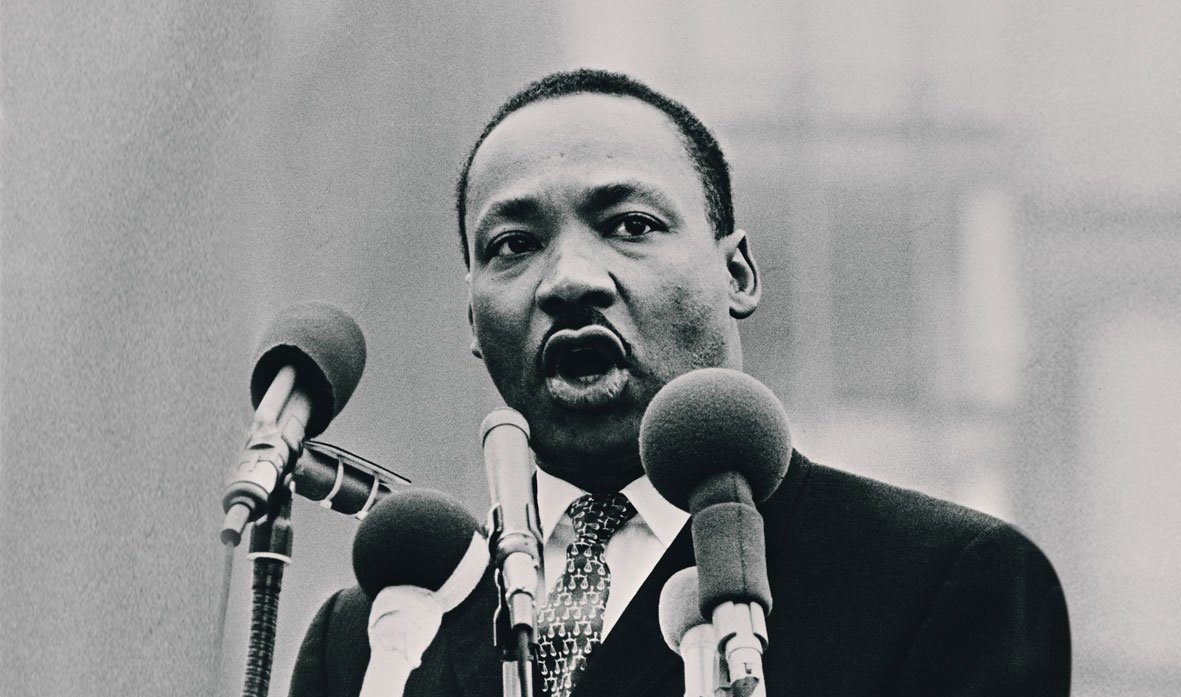
- Martin Luther King Jr. (1929–1968), United States: At 6:01 p.m. on April 4, 1968, the civil rights leader was assassinated on the balcony of the Lorraine Motel in Memphis, Tennessee. The event stands as one of the most traumatic and pivotal moments in American history. King, the youngest man to have won the Nobel Peace Prize at the time, was in Memphis to support striking sanitation workers. His death ignited riots in over 100 American cities, forever altering the trajectory of the civil rights movement and cementing his legacy as a martyr for justice and nonviolence.
- Kurt Cobain (1967–1994), United States: The lead singer and guitarist of Nirvana was found dead at his home in Seattle on April 8, but it was on April 4, 1994, that a toxicology report later suggested he likely took his own life, marking the effective end of an era. Cobain’s death was the tragic crescendo of the grunge movement. As the reluctant voice of Generation X, his raw, visceral music and anti-establishment ethos had reshaped rock music in the early 1990s, killing off the excess of 80s glam metal and bringing alternative rock to the mainstream.
- Muddy Waters (1913–1983), United States: McKinley Morganfield, known as Muddy Waters, died on this day in Westmont, Illinois. Considered the “father of modern Chicago blues,” his electric sound was a foundational influence on rock and roll. When he left the Mississippi Delta for Chicago, he amplified the Delta blues, creating a raw, urban sound that would inspire the Rolling Stones (who named themselves after his song “Rollin’ Stone”), Eric Clapton, and Led Zeppelin. His death marked the passing of a foundational pillar of 20th-century music.
- Abdul Salam Arif (1921–1966), Iraq: The Iraqi president died in a helicopter crash in southern Iraq on April 4, 1966. A key figure in the military coups that overthrew the Iraqi monarchy in 1958, Arif’s death led to a power vacuum and a shift in Iraq’s political landscape. His brother, Abdul Rahman Arif, succeeded him, but the instability of the period helped pave the way for the eventual rise of the Ba’ath Party, a trajectory that would culminate decades later with Saddam Hussein.
Part II: Political and Leadership Events That Reshaped Nations
April 4 has been a day for political beginnings, violent ends, and critical shifts in leadership.
- 1968: The Aftermath of an Assassination (USA): The murder of Dr. Martin Luther King Jr. on this day didn’t just end a life; it fundamentally altered the American political landscape. It radicalized segments of the civil rights movement, leading to the rise of more militant organizations. President Lyndon B. Johnson’s attempts at building a “Great Society” faced a legitimacy crisis, and the ensuing riots contributed to the sense of national unraveling that defined the tumultuous year of 1968.
- 1949: The Birth of NATO (USA): On April 4, 1949, the North Atlantic Treaty was signed in Washington, D.C. by 12 countries: the United States, Canada, Belgium, Denmark, France, Iceland, Italy, Luxembourg, the Netherlands, Norway, Portugal, and the United Kingdom. The formation of the North Atlantic Treaty Organization (NATO) was a landmark moment in the Cold War, establishing a collective defense alliance against the Soviet Union. Article 5, stating that an attack on one member is an attack on all, became the cornerstone of Western security policy, a principle invoked for the first time after the September 11 attacks in 2001.
- 1979: Zulfikar Ali Bhutto’s Execution (Pakistan): On April 4, 1979, the former Prime Minister of Pakistan, Zulfikar Ali Bhutto, was hanged at the Rawalpindi District Jail. A charismatic populist leader and the founder of the Pakistan People’s Party (PPP), Bhutto’s execution by the military government of General Muhammad Zia-ul-Haq was a deeply controversial event. His death created a powerful political martyrdom that would later propel his daughter, Benazir Bhutto, to become the first female prime minister of a Muslim-majority country.
- 1984: The Call for Peace in Lebanon: On this day, with Lebanon deep in the throes of a brutal civil war, President Amin Gemayel made a desperate call for a ceasefire. While it failed to hold, the efforts on April 4 underscored the international community’s growing alarm at the conflict’s escalation, which involved not just Lebanese factions but also the PLO, Syria, Israel, and a multinational peacekeeping force.
- 2017: The Khan Shaykhun Chemical Attack (Syria): In one of the most horrific events of the Syrian Civil War, a chemical attack was launched on the rebel-held town of Khan Shaykhun on April 4, 2017. The attack, attributed by the U.S. and other Western powers to the Syrian government, killed at least 74 people and caused respiratory distress for hundreds more. It prompted a retaliatory cruise missile strike by the United States on a Syrian airbase, marking a significant escalation in American involvement and deepening the geopolitical crisis involving Russia, Iran, and the West.
Part III: Achievements by Global Institutions and Multinational Companies
April 4 marks a day of both significant breakthroughs and notable setbacks in the corporate and technological world.
Achievements and Prospects
- 1975: Microsoft is Founded (USA): While the official founding date is often cited as April 4, 1975, it was on this day that Bill Gates and Paul Allen formalized their partnership in Albuquerque, New Mexico. Their first product, a version of the BASIC programming language for the Altair 8800, marked the birth of a company that would go on to put a computer on almost every desk and in every home. This date represents the genesis of the personal computing revolution and the rise of software as the defining industry of the digital age.
- 2017: Tesla Becomes the Most Valuable U.S. Automaker: On April 4, 2017, Tesla’s market capitalization surpassed that of Ford Motor Co., a symbolic moment where Wall Street validated the potential of electric vehicles over the century-old internal combustion engine industry. It signaled a seismic shift in the automotive industry, forcing legacy manufacturers in Detroit, Germany, and Japan to accelerate their own electric vehicle roadmaps.
- 2023: AI Safety and Ethics Milestones: On April 4, 2023, a group of leading AI researchers and tech executives, including figures from Google’s DeepMind and the founders of Anthropic, published a letter calling for a pause on the development of “giant AI experiments” more powerful than GPT-4. While the letter was controversial, it highlighted a critical juncture in the tech industry—a moment where the rapid, unregulated proliferation of generative artificial intelligence forced an unprecedented global conversation on ethics, safety, labor displacement, and the very nature of human creativity.
Setbacks and Controversies
- 2018: Facebook’s Cambridge Analytica Scandal Deepens: On April 4, 2018, Facebook (now Meta) announced that the personal data of up to 87 million users was improperly shared with Cambridge Analytica, a political consulting firm. This announcement came as CEO Mark Zuckerberg prepared to testify before the U.S. Congress. The scandal represented a watershed moment for big tech, shattering public trust in social media platforms and triggering a wave of global regulatory scrutiny, culminating in the EU’s GDPR (General Data Protection Regulation) taking effect the following month.
- 2004: DaimlerChrysler’s Continued Struggles: On this day, the German American automotive giant DaimlerChrysler announced another round of disappointing sales figures, particularly for its Mercedes-Benz division, which faced quality and reliability issues. This period foreshadowed the eventual dissolution of the “merger of equals” in 2007 when Daimler sold Chrysler to a private equity firm, marking one of the most costly and ill-fated mergers in corporate history—a cautionary tale about the difficulties of cross-cultural corporate integration.
Part IV: Natural Disasters and Unforgettable Tragedies
The power of nature has made April 4 a day of devastation and resilience across the globe.
- 1977: The Southern United States Tornado Outbreak: A massive tornado outbreak struck the Southern United States, particularly Alabama and Georgia. One of the most destructive tornadoes touched down in Birmingham, Alabama, killing 22 people and injuring over 100. The event was a stark reminder of the vulnerability of the American Southeast to severe weather and led to significant improvements in tornado forecasting and the implementation of more robust early warning systems.
- 2009: Earthquake in L’Aquila, Italy: A 6.3-magnitude earthquake struck the medieval city of L’Aquila in central Italy on April 4, 2009. The quake killed 309 people, injured more than 1,500, and left tens of thousands homeless. The tragedy was compounded by controversy when six scientists and government officials were initially convicted of manslaughter for providing what critics called “incomplete, imprecise, and contradictory” risk assessments before the quake. The case became a global touchstone for the complex relationship between seismologists, public officials, and disaster preparedness.
- 2010: The Calbuco Volcano Threat (Chile): While the major eruption occurred later in the month, on April 4, 2010, increased seismic activity at the Calbuco volcano in southern Chile prompted authorities to raise alert levels. The event was part of the region’s intense volcanic activity, highlighting Chile’s position on the Pacific Ring of Fire and its advanced, world-leading protocols for volcanic monitoring and civilian evacuation.
Part V: Sports: Legends, Leagues, and Defining Moments
From the football pitch to the golf course, April 4 has hosted iconic sporting achievements.
Football (Soccer)
- 1993: UEFA Champions League Semi-Finals: On April 4, 1993, Olympique de Marseille played Rangers in a tense semi-final first leg. Marseille would go on to win the final against AC Milan, becoming the first (and only) French club to win the European Cup/UEFA Champions League. However, the victory was later tarnished by a match-fixing scandal in the French domestic league, a dark chapter that underscored the corrupting influence of money in football during the early years of the modern Champions League era.
- 2004: Arsenal’s “Invincibles” March: On April 4, 2004, Arsenal faced Manchester United in a pivotal FA Cup semi-final. While they lost that specific match 1-0, it was the context that mattered. Arsenal was in the midst of their legendary “Invincible” Premier League season. The loss in the FA Cup only sharpened their focus on the league, where they would go unbeaten the entire campaign—a feat that has not been replicated in the Premier League era, cementing Arsène Wenger’s team in football folklore.
- 2015: Juventus’ Domestic Dominance: On this day, Juventus secured a 1-0 win over Empoli, further solidifying their stranglehold on Serie A. The win was part of a season where they won their fourth consecutive Scudetto, a period of domestic dominance that also saw them reach the UEFA Champions League final. It was a testament to the club’s management, with CEO Andrea Agnelli and general manager Giuseppe Marotta building a dynasty after the Calciopoli scandal.
Other Sports
- 1991: The Death of a NASCAR Legend: On April 4, 1991, Max C. “Max” Helton, a legendary NASCAR official, passed away. While not a driver, Helton was the man who waved the green flag to start the Daytona 500 for 25 years. His death marked the end of an era for the sport, highlighting the importance of the unsung heroes who build the infrastructure of global sporting events.
- 2009: The First UFC Event in Germany: The Ultimate Fighting Championship (UFC) held its first event in Germany, UFC 99: The Comeback, on this day. While the main event featured a catchweight bout between Rich Franklin and Wanderlei Silva, the significance lay in the expansion of mixed martial arts (MMA) into continental Europe. It marked the beginning of the UFC’s aggressive push to globalize the sport, moving beyond its North American base to build a worldwide fanbase.
Part VI: Music, Art, and the Celebrity Sphere
April 4 has been a day of unforgettable moments in entertainment, from career-defining achievements to deeply personal milestones.
Musicians and Rappers
- 1994: The End of an Era—The Death of Kurt Cobain: As discussed, the events surrounding Cobain’s death on April 4 (or the days immediately following) created a cultural rupture. Nirvana’s Nevermind had changed the musical landscape. Cobain’s death forced a confrontation with issues of fame, mental health, and artistic integrity in the music industry, a conversation that remains ongoing.
- 2016: Beyoncé’s Lemonade and the Super Bowl Halftime Show: While the Lemonade film premiered on HBO on April 23, the buildup on April 4 involved intense media speculation about the album’s themes. The project, which explored infidelity, Black womanhood, and Southern heritage, was a watershed moment. It transformed Beyoncé from a pop superstar into a high-art conceptualist, influencing a generation of musicians to treat albums as comprehensive, genre-defying visual and narrative projects.
- Frank Ocean’s Blonde Era: On April 4, 2017, Frank Ocean released two new songs, “Lens” and “Chanel,” through his “blonded” radio show on Apple Music. This period solidified Ocean’s status as one of the most innovative and elusive figures in modern R&B and pop, using the radio format itself as an artistic medium to bypass traditional album cycles and maintain an aura of mystique.
Actors and Cinema
- 2008: The Final Performances of Heath Ledger: April 4, 2008, fell during the post-production of The Dark Knight. As the world mourned the loss of Ledger, the anticipation for his performance as the Joker reached a fever pitch. His death added a layer of tragic profundity to what would become one of the most iconic villain performances in cinematic history, posthumously winning him the Academy Award for Best Supporting Actor.
- 2012: The Release of The Hunger Games Phenomena: By April 4, 2012, the film adaptation of Suzanne Collins’ The Hunger Games had been in theaters for just over a week, having shattered box office records for a non-sequel. The film, starring Jennifer Lawrence, marked a shift in Hollywood, proving that female-led action films could be massive global blockbusters and launching a new era of young adult dystopian adaptations.
Fashion Icons and Brands
- 2003: The Death of a Fashion Titan: On April 4, 2003, a plane crash in the Bahamas claimed the life of 19-year-old Daniel Smith, son of Vogue editor-in-chief Anna Wintour. While a personal tragedy, the event deeply affected the fashion world. The loss highlighted the intense personal pressures behind the glamorous facade of the industry and briefly halted the relentless pace of fashion week cycles as the community mourned.
- 2014: Karl Lagerfeld’s Chanel Supermarket: On April 4, 2014, the fashion world was captivated by images from the Chanel Fall/Winter 2014 show, which had taken place in Paris days earlier. Lagerfeld had transformed the Grand Palais into a fully stocked, high-fashion supermarket. This event was a landmark in fashion show production, blurring the lines between retail, art, and performance, and setting a new standard for “experiential” luxury marketing that every major brand has since sought to emulate.
- Launch of a Model’s Empire: On a more positive note, various supermodels have celebrated business milestones on this date. For instance, the expansion of Gisele Bündchen’s environmental initiatives and lingerie line often sees announcements in early April, reflecting a trend where top models transition from being faces of brands to becoming entrepreneurs and activists in their own right.
Part VII: Tech Gurus, Automotive Innovation, and ICT
The worlds of technology and automobiles are deeply intertwined with April 4.
- 1975: The Altair 8800 and the Homebrew Computer Club: While the Microsoft partnership was formalized on this day, the Altair 8800—the machine they were programming for—was the catalyst for the home computer revolution. It inspired a generation of hobbyists, including Steve Wozniak and Steve Jobs, who would soon found Apple. The club associated with this machine, the Homebrew Computer Club, held meetings that were the crucible for the personal computing industry, and April 4 marks a key moment in that timeline.
- 2015: The Google Self-Driving Car Project Report: On April 4, 2015, Google released a detailed report on its self-driving car project, revealing that its autonomous vehicles had been involved in 11 minor accidents over six years, all of which were the fault of human drivers. This was a pivotal moment in public relations for autonomous vehicles (AVs), as it shifted the narrative from “are they safe?” to “how do we integrate them safely with human drivers?” It sparked a global race in the automotive industry, with traditional carmakers like Ford, GM, and Volkswagen accelerating their own AV divisions.
- 2020: The Pandemic Tech Shift: On April 4, 2020, as the COVID-19 pandemic raged globally, technology companies were at the center of a massive societal shift. Zoom Video Communications reported that its daily user count had soared from 10 million in December 2019 to over 200 million. This day represented the crystallization of remote work, telehealth, and online education as permanent pillars of society. Simultaneously, it raised critical questions about cybersecurity, digital equity, and the psychological toll of being constantly connected—issues that tech companies are still grappling with.
Part VIII: Authors, Journalists, Poets, and the Power of the Word
The literary and journalistic world has seen both the birth of great works and the silencing of important voices on April 4.
- 1991: The Death of a Literary Giant: On April 4, 1991, British novelist and essayist Graham Greene died in Switzerland. Greene, whose works like The Quiet American, The Power and the Glory, and The Third Man explored the moral complexities of the modern world, was a master of the literary thriller. His death marked the end of a career that spanned seven decades and whose ability to capture political turmoil and personal faith remains unmatched.
- 2013: The Founding of The Intercept: On April 4, 2013, Glenn Greenwald, Laura Poitras, and Jeremy Scahill announced the launch of The Intercept, a new digital publication. This was a direct outgrowth of the Edward Snowden NSA surveillance revelations, which had been first reported by Greenwald in The Guardian the previous year. The launch represented a new era in investigative journalism—non-profit, digitally native, and fiercely independent—aimed at holding powerful institutions, particularly in intelligence and security, accountable.
- Poetic Legacies: While no major poetry laureate died on this day, the legacy of those born on April 4, like Maya Angelou, means the day is often celebrated with poetry readings and literary festivals around the world, emphasizing the enduring power of verse to capture both personal struggle and collective triumph.
Part IX: Religion, Law, and Social Justice
April 4 has been a date where the realms of faith, jurisprudence, and activism intersect.
- 1968: The Assassination of MLK and the Crisis of Faith: Dr. King’s assassination on April 4 sent shockwaves through religious communities, particularly the Black church in America. It forced a theological and political reckoning. Leaders like Rev. Jesse Jackson, who was with King when he died, rose to prominence. The event also galvanized the Poor People’s Campaign, which King had been organizing, a movement that continues to advocate for economic justice as a moral imperative.
- 2017: The Khan Shaykhun Attack and International Law: The chemical attack on April 4, 2017, in Syria led to a complex legal and diplomatic crisis. It sparked debates in the United Nations Security Council, where Russia vetoed resolutions condemning the Syrian government. The event tested the effectiveness of international law and institutions like the Organisation for the Prohibition of Chemical Weapons (OPCW), which later confirmed the use of sarin gas. The inability to hold perpetrators accountable highlighted the limitations of the post-WWII legal order in the face of modern geopolitical realignments.
- Landmark Legal Battles: Various class-action lawsuits have been filed on April 4 throughout history. In recent years, several major antitrust cases against big tech companies—alleging monopolistic behavior by Google, Apple, and Amazon—have had significant filing dates or hearing dates in early April, signaling a global shift in legal attitudes toward the unchecked power of multinational corporations.
Part X: The World of Business Leaders, Social Media Influencers, and Fashion
The modern landscape of influence—from corporate boardrooms to Instagram feeds—has seen its share of defining moments on April 4.
- 1991: The Passing of a Business Icon: Max Helton’s death (mentioned in sports) is a reminder that business leaders in sports are often as influential as the athletes. Similarly, on April 4, 2004, French businessman and politician Jean-Pierre Chevènement announced his resignation from the French government, a move that had significant implications for the French automotive and aerospace industries, where he had been a key policy architect.
- Rise of the Social Media Influencer: In the 2010s, April 4 became a notable date for social media trends. For example, in 2018, a viral Twitter thread began on April 4 that detailed the business practices of fast-fashion giant Fashion Nova, sparking a massive conversation about ethical consumption, labor practices, and the environmental impact of the “haul” culture promoted by influencers. This event marked a turning point where influencer culture began to be held accountable by its own audience, leading to the rise of “de-influencing” and a push for transparency in sponsored content.
- Fashion’s New Guard: On April 4, 2021, during the height of the pandemic, several emerging fashion designers used Instagram Live to launch collaborative collections, bypassing traditional fashion weeks. This democratization of fashion, born of necessity, allowed a new generation of diverse designers—particularly from Africa, South America, and Southeast Asia—to gain global attention. It signaled a lasting shift in how fashion is presented and consumed, moving power away from traditional gatekeepers.
Part XI: Football Clubs and Their Defining April 4ths
Football clubs across Europe and the world have histories intertwined with this date.
- Liverpool F.C.: April 4, 1989, was just 11 days before the Hillsborough disaster. On this date, Liverpool was preparing for an FA Cup semi-final against Nottingham Forest—the match that would be played at Hillsborough. The events of April 4, including team selections and media buildup, are now looked back upon with the tragic knowledge of what would unfold on April 15. For the club, it’s a somber reminder of the fragility of life and the deep bond between the club and its city.
- Manchester United: On April 4, 1999, Manchester United was in the midst of their historic Treble-winning season. They defeated Juventus 3-2 in a Champions League semi-final first leg at Old Trafford, a match famous for a stunning goal from David Beckham. It was a key moment in a campaign that saw them win the Premier League, FA Cup, and Champions League—an unprecedented feat in English football.
- FC Barcelona: On April 4, 2010, Barcelona, under Pep Guardiola, played a memorable La Liga match against Athletic Bilbao, winning 4-1. This was a team widely considered one of the greatest in football history. The match showcased the “tiki-taka” style at its peak, with Lionel Messi, Xavi, and Andrés Iniesta dominating possession. The game cemented the philosophy that would define a generation of football and influence national teams, most notably Spain’s 2010 World Cup win.
- AC Milan: April 4, 2007, saw AC Milan defeat Bayern Munich 2-2 at the San Siro in the Champions League quarter-finals (they advanced on away goals). This was part of Milan’s run to winning the Champions League that season—a triumph that served as redemption for their loss in the final two years earlier and marked the last European glory for a generation of legends like Paolo Maldini, Alessandro Nesta, and Clarence Seedorf.
Part XII: Natural Disasters, Resilience, and Global Institutions
International organizations and non-profits have often used April 4 to launch major initiatives or respond to crises.
- The World Health Organization (WHO): On April 4, 2020, amidst the COVID-19 pandemic, the WHO launched the “Solidarity” trial, an international clinical trial to find effective treatments for the virus. This event was a monumental achievement in global cooperation, bringing together scientists and governments from dozens of countries in real-time to coordinate research—a process that in the past would have taken years.
- The International Monetary Fund (IMF): Several structural adjustment programs and debt relief initiatives have been announced on or around April 4. Notably, in the 1990s, agreements signed on this day had profound effects on developing nations in Africa and Latin America, often imposing austerity measures in exchange for loans. These events are part of a contentious history regarding the role of global financial institutions in national sovereignty.
- Environmental Milestones: April 4 has also been a day for significant environmental activism. In 2019, Extinction Rebellion activists began a series of “spring rebellion” protests in London on this date, blocking major roads and bridges. This marked a new era of civil disobedience focused on climate change, influencing a wave of youth-led activism globally and forcing governments to declare climate emergencies.
Part XIII: Music, Legacy, and the Digital Age
The intersection of music and technology has been a recurring theme on April 4.
- The Napster Era: On April 4, 2001, Napster, the peer-to-peer file-sharing service, was struggling in its legal battles with the music industry. This day marked a turning point where the Recording Industry Association of America (RIAA) intensified its campaign to shut down the service. The legal battles of this era fundamentally restructured the music business, paving the way for the iTunes Store and eventually the streaming economy that dominates today, changing how artists are compensated and how fans consume music.
- The Rise of K-Pop: April 4, 2012, saw the debut of a music show performance that would herald the global takeover of K-Pop. While BTS would debut a year later, the infrastructure of the genre—the fanbase organization, the use of social media, and the highly produced music videos—was solidifying around this time. April 4 has since become a date for “comebacks” (new releases) for major K-Pop acts, with fanbases coordinating massive global streaming parties and charity projects to celebrate.
- Jazz Greats: On April 4, 1987, jazz legend Art Tatum was posthumously awarded a Grammy Lifetime Achievement Award. While Tatum had died in 1956, the recognition on this day highlighted the ongoing reevaluation of jazz as a foundational American art form. His virtuosic piano playing, largely recorded in the 1930s and 40s, continues to influence modern jazz pianists and is often celebrated on the anniversary of this recognition.

Part XIV: Law, Religion, and the Pursuit of Justice
The final section of this global tapestry weaves together the threads of legal precedent, religious observance, and the ongoing human quest for justice.
- Religious Observances: April 4 frequently falls during Lent in the Christian calendar or near the Jewish holiday of Passover. As such, it has been a date for significant interfaith dialogues. Notably, in 2000, on April 4, Pope John Paul II issued a major apology for the sins of the Catholic Church throughout the ages, including offenses against Jews, women, and minorities. The “Day of Pardon” was a historic moment in modern religious leadership, acknowledging historical wrongs and setting a precedent for institutional accountability.
- Landmark Supreme Court Decisions: In various countries, April 4 has been the date for consequential court rulings. In the United States, for example, several key decisions regarding freedom of speech and corporate personhood have been handed down in early April, shaping the legal landscape for campaign finance, media consolidation, and digital privacy. In 2023, on April 4, a U.S. federal judge issued a preliminary ruling in a major antitrust case against a tech giant, signaling a new willingness to challenge the dominance of Silicon Valley.
- The Legacy of Civil Rights: The date is forever tied to the martyrdom of Dr. King. In the decades since, April 4 has become a day of action for civil rights organizations. It is often chosen for the launch of voter registration drives, economic justice campaigns, and rallies. It serves as an annual reminder that the work of building a just society is unfinished, and that the sacrifices of leaders like King must be honored through continued activism.
This exploration of April 4 reveals a day of profound duality—a day of creativity and destruction, of political ambition and personal tragedy, of technological breakthrough and ethical quandary. From the birth of Microsoft to the death of Kurt Cobain, from the streets of Memphis to the volcanoes of Chile, the date stands as a microcosm of the modern world: interconnected, volatile, and endlessly fascinating. Each event, whether a triumph or a setback, contributes to the complex, interwoven narrative of our shared global history.
Leave a Reply