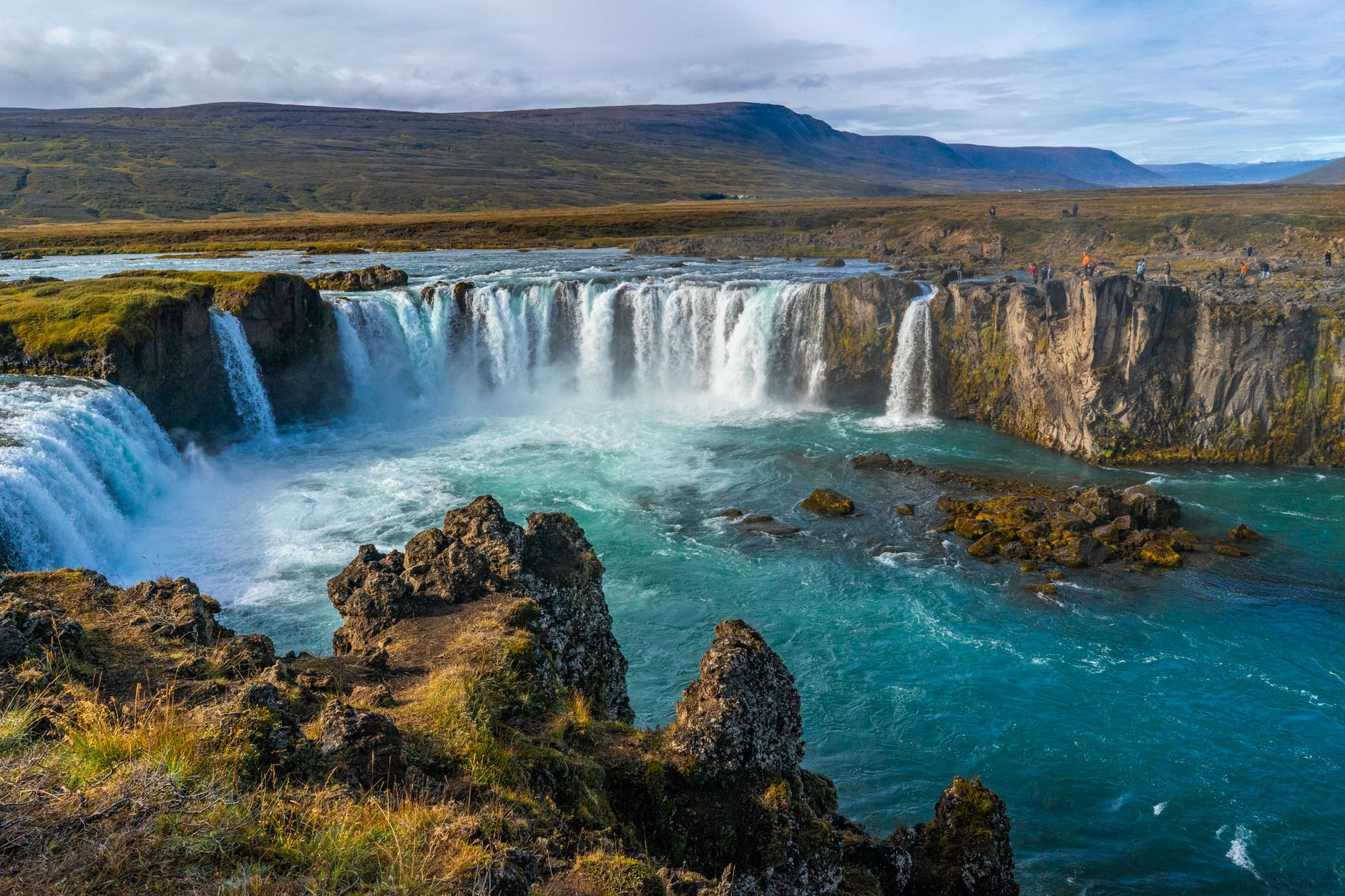
Iceland is one of the world’s most extraordinary travel destinations, a country where glaciers, volcanoes, waterfalls, geothermal springs, black-sand beaches and dramatic coastlines exist within relatively short distances of one another. Often described as the Land of Fire and Ice, Iceland offers visitors an unusual opportunity to experience powerful natural forces while also discovering a distinctive culture shaped by Viking history, fishing, literature and life in a northern climate.
For first-time visitors, choosing where to go can be difficult. Iceland has an enormous number of spectacular attractions, and the best places are spread across different regions of the country. Some can be visited as day trips from Reykjavík, while others require longer journeys.
Among the many remarkable destinations, five stand out for their combination of natural beauty, accessibility, cultural importance and unforgettable experiences: the Golden Circle, the Blue Lagoon, Jökulsárlón Glacier Lagoon, the South Coast and Reykjavík.


1. The Golden Circle: Iceland’s Classic Sightseeing Route
For many visitors, the Golden Circle is the perfect introduction to Iceland. It is one of the country’s best-known sightseeing routes and combines several major natural and historical attractions into a single excursion.
The classic Golden Circle consists of Þingvellir National Park, the Geysir geothermal area and Gullfoss waterfall. Visit Reykjavík describes it as one of the most popular sightseeing trips from the capital, with the three attractions offering an impressive mixture of geological history, geothermal activity and dramatic scenery.
Þingvellir National Park
The first major highlight is Þingvellir, a place of exceptional importance in both Icelandic history and geology.
The area is associated with the Alþingi, Iceland’s historic national assembly, making it an important part of the country’s political heritage. At the same time, Þingvellir provides visitors with an opportunity to see the geological consequences of the movement between the North American and Eurasian tectonic plates.
Walking through the landscape can therefore feel like exploring two stories at once: the story of Iceland’s people and the much older story of the Earth’s geological forces.
The dramatic rift landscape, cliffs, clear water and walking trails make Þingvellir particularly attractive to photographers and visitors interested in nature. It is also an excellent place to appreciate how unusual Iceland’s geology really is.
Geysir and Strokkur
The second major stop is the Geysir geothermal area.
Although the original Geysir gave its name to the English word “geyser”, the attraction most visitors see erupting today is Strokkur. It regularly sends a column of hot water and steam into the air, creating one of the most entertaining natural spectacles along the Golden Circle.
The geothermal area provides a glimpse into the volcanic forces beneath Iceland. Steam rises from the ground, bubbling pools dot the landscape and the smell of sulphur reminds visitors that the apparently peaceful countryside sits above an active geothermal system.
For tourists, one of the most enjoyable aspects of visiting Strokkur is the anticipation. Visitors gather around the designated viewing area, waiting for the surface of the geothermal pool to change before the eruption suddenly shoots upward.
Gullfoss Waterfall
The final major attraction is Gullfoss, or the “Golden Falls.”
The Hvítá River plunges through a dramatic canyon in two stages, producing an enormous volume of moving water. Visit Reykjavík describes Gullfoss as one of Iceland’s best-known landmarks and notes that it is a standard stop on Golden Circle tours.
The waterfall is especially impressive because visitors can approach viewing areas that provide different perspectives of the falls and surrounding canyon.
On sunny days, mist rising from the waterfall can produce rainbows, adding another layer of beauty to the already dramatic landscape.
The Golden Circle is particularly convenient for travellers staying in Reykjavík because it can be completed as a day trip. It is therefore an excellent choice for people visiting Iceland for only a few days.
Why visit: spectacular scenery, Icelandic history, geothermal activity and waterfalls in one trip.
2. Blue Lagoon: Iceland’s Famous Geothermal Spa
Few Icelandic attractions are as internationally recognizable as the Blue Lagoon.
Located on the Reykjanes Peninsula near Grindavík, the Blue Lagoon combines geothermal seawater, volcanic surroundings and modern spa facilities. It has become one of Iceland’s signature tourist experiences.
The attraction is particularly appealing because it offers something different from sightseeing at waterfalls or glaciers. Instead of simply looking at Iceland’s natural environment, visitors can physically experience its geothermal energy by relaxing in warm mineral-rich water surrounded by dark volcanic terrain.


According to Blue Lagoon’s own information, its geothermal seawater originates from volcanic aquifers deep beneath the Earth and contains silica, algae and mineral salts.
That unusual combination of warm water and black lava rock creates the distinctive visual identity associated with the attraction.
More than a swimming pool
One of the mistakes first-time visitors can make is thinking of the Blue Lagoon simply as a large swimming pool. It is much more accurately described as a geothermal spa experience.
Visitors can move through different areas of the lagoon, relax in the warm water and enjoy spa treatments and other facilities. The Retreat Spa offers a more secluded and luxurious experience, while the main lagoon provides the classic Blue Lagoon experience.
The surrounding lava landscape is an important part of the attraction. Rather than being surrounded by conventional resort scenery, the lagoon is embedded in Iceland’s volcanic environment.
A convenient attraction for travellers
The Blue Lagoon is also convenient for travellers flying through Keflavík. The attraction’s official information says it is approximately 20 minutes by car from Keflavík Airport and around 50 minutes from Reykjavík, although actual journey times can vary with road and weather conditions.
This makes it possible to combine a visit with a Reykjavík stay or, depending on the itinerary, with travel to or from the airport.
Visitors should remember that Icelandic weather can change quickly. The Blue Lagoon says weather-related closures are rare and generally associated with extreme winds rather than ordinary rain, snow or cold.
It is also wise to follow the facility’s instructions regarding hydration and hair care. The lagoon’s silica-rich water can make hair stiff or difficult to manage, which is why the facility recommends using conditioner before entering the water.
Why visit: relaxation, geothermal water, volcanic landscapes and one of Iceland’s most famous spa experiences.
3. Jökulsárlón Glacier Lagoon: Where Ice Meets the Sea
If there is one place that captures Iceland’s dramatic relationship between ice and water, it is Jökulsárlón Glacier Lagoon.
Located in southeastern Iceland along the country’s famous Ring Road, Jökulsárlón is a large glacial lagoon filled with floating icebergs. The landscape can look almost otherworldly, with enormous pieces of ice drifting through blue-grey water against a backdrop of mountains and glaciers.


The lagoon is connected to the sea, creating an extraordinary landscape in which freshwater ice and ocean water are part of the same visual experience.
A landscape constantly changing
One of the most fascinating aspects of Jökulsárlón is that it never looks exactly the same.
The icebergs vary in size, shape and colour. Some appear brilliant white, while others have deep blue tones or dark streaks created by volcanic material trapped in the ice.
The lagoon also changes with the seasons and weather. Light conditions can transform the appearance of the ice, making early morning, afternoon and evening visits look completely different.
Diamond Beach
Just across the waterway from the lagoon is another spectacular attraction known as Diamond Beach.
Pieces of ice that leave the lagoon can wash onto the black volcanic sand. The contrast between transparent or blue-white ice and dark sand creates the impression of diamonds scattered across the beach.
It is one of Iceland’s most photographed landscapes for good reason.
Visitors should, however, treat the ocean and ice with respect. Waves can be unpredictable, and pieces of ice can be unstable. The safest approach is to admire the scenery from a sensible distance rather than attempting to climb large ice formations or approach the water too closely.
Boat tours
During suitable conditions, visitors can also experience the lagoon from the water through organized boat tours.
This provides a different perspective from the shoreline, allowing travellers to appreciate the scale of the lagoon and the icebergs around them.
Jökulsárlón is farther from Reykjavík than the Golden Circle or Blue Lagoon, so travellers with limited time may need to plan an overnight journey or choose a multi-day South Coast itinerary.
Why visit: glaciers, floating icebergs, black sand, photography and one of Iceland’s most unusual natural landscapes.
4. Iceland’s South Coast: Waterfalls, Volcanoes and Black-Sand Beaches
The South Coast is not a single attraction but an extraordinary collection of natural wonders. For travellers who want to experience several different aspects of Iceland’s landscape during one journey, the South Coast is among the best choices.
The route from Reykjavík toward southeastern Iceland features waterfalls, glaciers, volcanic landscapes, coastal cliffs and black-sand beaches.


Seljalandsfoss
One of the most famous waterfalls along the South Coast is Seljalandsfoss.
The waterfall drops from a cliff and is particularly famous because a path allows visitors, when conditions are safe, to experience the waterfall from behind.
Standing behind a waterfall is an experience unlike ordinary sightseeing. Water crashes down in front of the visitor while the surrounding landscape opens beyond it.
However, the path can become wet, slippery and challenging in poor weather, so appropriate footwear and caution are essential.
Skógafoss
Further along the route is Skógafoss, another of Iceland’s iconic waterfalls.
Unlike Seljalandsfoss, Skógafoss is famous for the broad curtain of water that plunges from the cliffs. On sunny days, the spray can create vivid rainbows.
Visit Reykjavík highlights both Seljalandsfoss and Skógafoss among the major South Coast attractions available from Reykjavík.
The waterfall is also an excellent example of the sheer scale of Iceland’s landscape. Visitors standing near its base can feel the power of the falling water and the mist generated by the cascade.
Reynisfjara Black-Sand Beach
Another unforgettable South Coast attraction is Reynisfjara, famous for its black volcanic sand, basalt columns and dramatic sea stacks.
The beach demonstrates the influence of Iceland’s volcanic geology in an especially striking way. Instead of golden sand, visitors encounter a dark shoreline framed by cliffs and unusual rock formations.
But Reynisfjara is also a place where beauty demands caution. Powerful waves can reach farther up the beach than visitors expect, and the ocean should never be underestimated.
Visitors should follow local safety warnings, stay well back from the water and avoid turning their backs on the waves.
Why the South Coast deserves more than a quick stop
The greatest advantage of the South Coast is variety. Within a relatively manageable itinerary, visitors can see waterfalls, glaciers, volcanic terrain, cliffs and black-sand beaches.
For photographers, it provides an enormous range of landscapes. For families, it offers accessible sightseeing opportunities. For adventure travellers, the wider region provides opportunities for glacier activities, hiking and other excursions.
Why visit: waterfalls, glaciers, black-sand beaches, volcanic scenery and some of Iceland’s most dramatic coastal landscapes.
5. Reykjavík: Iceland’s Cultural and Urban Heart
It would be easy for visitors to concentrate exclusively on Iceland’s natural attractions and forget that the country also has a fascinating capital.
Reykjavík is relatively small compared with many European capitals, but it provides an important contrast to Iceland’s wilderness.


The city is the natural base for many visitors because numerous tours to attractions around southern Iceland depart from the capital. Visit Reykjavík notes that many of Iceland’s major attractions are within a few hours’ drive and that local operators provide sightseeing tours throughout the year.
Hallgrímskirkja
One of Reykjavík’s most recognizable landmarks is Hallgrímskirkja, the striking church that rises above the city.
Its distinctive architecture makes it one of the first buildings many visitors notice when approaching central Reykjavík. The tower also provides panoramic views across the city and surrounding landscape when access is available.
The building is more than an architectural landmark; it has become one of the symbols of Reykjavík itself.
Harpa Concert Hall
Another important landmark is Harpa Concert Hall and Conference Centre, located near Reykjavík’s harbour.
Its modern glass architecture contrasts sharply with the country’s natural landscapes and demonstrates another side of Iceland: contemporary design, music and culture.
Harpa is particularly attractive to travellers interested in concerts, architecture and Icelandic cultural life.
The Old Harbour
Reykjavík’s Old Harbour provides another opportunity to experience the city’s relationship with the sea.
The harbour area has restaurants, cafés, museums and other attractions. Visit Reykjavík describes the nearby Grandi district as an area that has evolved from an industrial setting into one of the city’s popular neighbourhoods, combining maritime heritage with restaurants, cafés and cultural attractions.
The harbour is also associated with whale-watching excursions and other marine activities.
Perlan
For travellers who want to learn more about Iceland’s natural environment without travelling across the country, Perlan – Wonders of Iceland is another worthwhile attraction.
Visit Reykjavík describes exhibitions in the city that allow visitors to explore subjects such as glaciers, ice caves, volcanoes, geothermal energy and the Northern Lights.
Reykjavík therefore works particularly well at the beginning or end of an Icelandic holiday. It provides restaurants, accommodation, museums and cultural attractions while also serving as a launching point for trips into the countryside.
Why visit: architecture, culture, museums, restaurants, nightlife, shopping and convenient access to tours.
When Is the Best Time to Visit These Attractions?
The best time to visit Iceland depends heavily on what you want to experience.
Summer
Summer offers long daylight hours and generally makes road travel and sightseeing easier. Waterfalls are easily accessible, hiking opportunities expand and the countryside becomes intensely green.
The downside is that popular attractions can be busy, particularly during peak travel periods.
Autumn
Autumn can be an excellent compromise between summer accessibility and the quieter atmosphere of the shoulder season. The landscape takes on different colours, and nights become dark enough for opportunities to see the Northern Lights.
Winter
Winter transforms Iceland into a dramatically different destination.
Snow-covered mountains, frozen waterfalls and short daylight hours create extraordinary scenery. It is also one of the best periods for Northern Lights hunting.
However, winter travel requires much more flexibility. Weather and road conditions can change quickly, and travellers should never treat Iceland’s roads as if they were driving conditions in a warmer country.
Spring
Spring brings increasing daylight and changing landscapes. Some attractions may still have winter conditions while others begin transitioning toward the warmer season.
For travellers who want fewer crowds and are comfortable with variable weather, spring can be rewarding.
How to Plan an Iceland Attractions Trip
A common mistake is attempting to see the entire country in just a few days.
Iceland may look relatively small on a map, but travelling between attractions takes time. Weather, road conditions, stops for photographs and unexpected discoveries can all extend a journey.
A better approach is to group attractions geographically.
A short trip could focus on Reykjavík and the Golden Circle, perhaps adding the Blue Lagoon depending on current access and travel conditions.
A longer trip could include the South Coast, with enough time to continue toward Jökulsárlón.
For visitors staying for a week or longer, a broader itinerary around the Ring Road can provide an opportunity to explore parts of northern, eastern and western Iceland as well.
The key is not simply counting attractions. Iceland rewards travellers who slow down enough to appreciate the landscape.
Responsible Tourism in Iceland
Iceland’s natural environment is spectacular but fragile.
Tourists should stay on marked paths where required, respect closures, avoid damaging moss and vegetation, and never climb unstable ice or rock formations simply to get a photograph.
At beaches such as Reynisfjara, following safety instructions is particularly important because the ocean can be dangerous.
Travellers should also respect local communities. Iceland’s attractions are not simply scenery for visitors; they are part of the country’s environment, history and everyday life.
Responsible tourism helps ensure that these places remain accessible and beautiful for future generations.
Final Thoughts
Iceland’s appeal comes from the extraordinary variety packed into its landscapes. In one journey, visitors can walk through a historic national park, watch a geyser erupt, stand beside a powerful waterfall, relax in geothermal seawater, photograph icebergs and explore a modern Nordic capital.
The Golden Circle is ideal for first-time visitors who want to experience several iconic sights in one day. The Blue Lagoon provides a uniquely Icelandic combination of geothermal water and relaxation. Jökulsárlón Glacier Lagoon offers an unforgettable encounter with ice and water, while the South Coast delivers some of the country’s most dramatic waterfalls, beaches and volcanic scenery. Reykjavík, meanwhile, provides the cultural and urban dimension that completes the Iceland experience.
These five destinations do not represent everything Iceland has to offer. The country also has spectacular attractions in the Westfjords, Snæfellsnes Peninsula, northern Iceland, the Eastfjords and the Highlands.
But for someone visiting Iceland for the first time, these five provide an excellent foundation for understanding why the country has become one of Europe’s most distinctive tourist destinations.
Leave a Reply