

There are few places in Iceland that manage to combine the charm of a small town with the extraordinary natural beauty of the country’s northern landscape quite like Akureyri. Often described as the Capital of North Iceland, Akureyri sits at the head of the magnificent Eyjafjörður fjord, surrounded by mountains, valleys, waterfalls and open landscapes that seem to change personality with every season. While many tourists associate Iceland primarily with Reykjavík, the Golden Circle, the South Coast and the Blue Lagoon, Akureyri has quietly developed into one of the country’s most attractive year-round destinations.
What makes Akureyri particularly special is that its appeal does not depend on a single season or one famous attraction. In summer, visitors arrive to enjoy almost endless daylight, green landscapes, hiking, whale watching, gardens, sightseeing and outdoor adventures. Autumn brings colourful landscapes, fewer crowds and increasingly dark nights that create opportunities to search for the Northern Lights. Winter transforms the surrounding mountains into a snowy playground for skiing and other activities, while the darkness provides opportunities for experiencing the aurora. Spring gradually brings longer days, returning wildlife and renewed outdoor activity.
This remarkable ability to reinvent itself with the seasons is one of the major reasons tourists continue to visit Akureyri throughout the year. The town offers something for nature lovers, adventure seekers, families, couples, cruise passengers, photographers, food enthusiasts and travellers simply looking for somewhere peaceful and beautiful to experience Iceland.
A Small Town Surrounded by Extraordinary Scenery


One of the first things that captures a visitor’s attention in Akureyri is its setting. The town lies beside Eyjafjörður, one of Iceland’s longest fjords, with mountains rising dramatically on either side. The combination of water, mountains, colourful buildings and changing northern light gives Akureyri a visual character that is difficult to reproduce elsewhere.
The landscape surrounding the town is particularly important to its tourism appeal. Visitors do not have to travel for hours before reaching beautiful scenery. Mountains, valleys, waterfalls, forests and coastal landscapes are all within relatively easy reach. This allows tourists to enjoy the convenience of a functioning town while remaining close to the kind of dramatic wilderness that attracts people to Iceland in the first place.
Akureyri is also compact enough for visitors to explore comfortably. A traveller can spend part of the day walking through the town centre, visiting a museum or enjoying a meal in a café before heading into the countryside for an afternoon excursion. This combination of urban convenience and natural beauty makes the town particularly attractive to visitors who want to experience Iceland without constantly changing accommodation.
Akureyrarkirkja: The Landmark That Defines the Town


Standing prominently above the town is Akureyrarkirkja, the Lutheran church that has become one of the defining symbols of Akureyri. Its distinctive architecture and elevated position make it one of the first landmarks many visitors notice when exploring the town. The church was designed by the Icelandic architect Guðjón Samúelsson and consecrated in 1940.
The church is more than an architectural attraction. Its elevated location provides an impressive perspective over Akureyri and Eyjafjörður, allowing visitors to see the relationship between the town, harbour, water and surrounding mountains. During winter, the scene can become particularly dramatic when snow covers the rooftops and mountains while the church stands prominently above the town.
For photographers, Akureyrarkirkja is one of those places that looks different depending on the season and time of day. Summer sunlight creates a bright and colourful setting, while winter darkness and snow can give the landmark a much more atmospheric appearance.
Summer Turns Akureyri Into an Outdoor Playground


Summer is undoubtedly one of the busiest and most energetic periods in Akureyri. As the days become extraordinarily long, tourists have more time to explore the surrounding countryside, take excursions and participate in outdoor activities. The landscape becomes greener, flowers appear, hiking trails become more inviting and the town develops a lively atmosphere as visitors arrive from different parts of Iceland and abroad.
One of the attractions that becomes especially beautiful during the warmer months is the Akureyri Botanical Garden. The garden contains around 7,000 plant species, including Icelandic flora and plants from around the world. For a town situated so far north, its colourful collection of plants is a remarkable sight.
The long daylight hours are another major attraction. Instead of feeling that the day ends in the early evening, visitors can continue sightseeing well into the night. This makes it possible to combine several activities in one day without feeling rushed. A tourist might visit a waterfall in the morning, explore Akureyri’s cultural attractions during the afternoon, enjoy dinner in the evening and still have enough daylight left to take a scenic drive or walk.
For photographers, summer provides extraordinary opportunities because the light can remain soft and beautiful for long periods. The mountains, fjord, colourful buildings and vegetation can look dramatically different depending on the time of day and weather conditions.
The Botanical Garden Offers a Surprisingly Green Experience


The Akureyri Botanical Garden, known locally as Lystigarðurinn, deserves special attention because it challenges the common image of Iceland as a country dominated by ice, volcanic rock and barren landscapes. During the warmer months, the garden becomes a remarkably colourful oasis filled with plants from Iceland and different parts of the world.
The garden was first opened as a public park in 1912, with the botanical section added decades later. Today it provides visitors with a peaceful place to walk, sit and appreciate the diversity of plant life that can thrive in northern Iceland.
For tourists who have spent days travelling through dramatic landscapes, the garden offers a completely different experience. Instead of standing beside a waterfall or looking across a volcanic valley, visitors can slow down and wander along peaceful paths surrounded by flowers, trees and greenery.
Cruise Ships Bring a Major Wave of Visitors


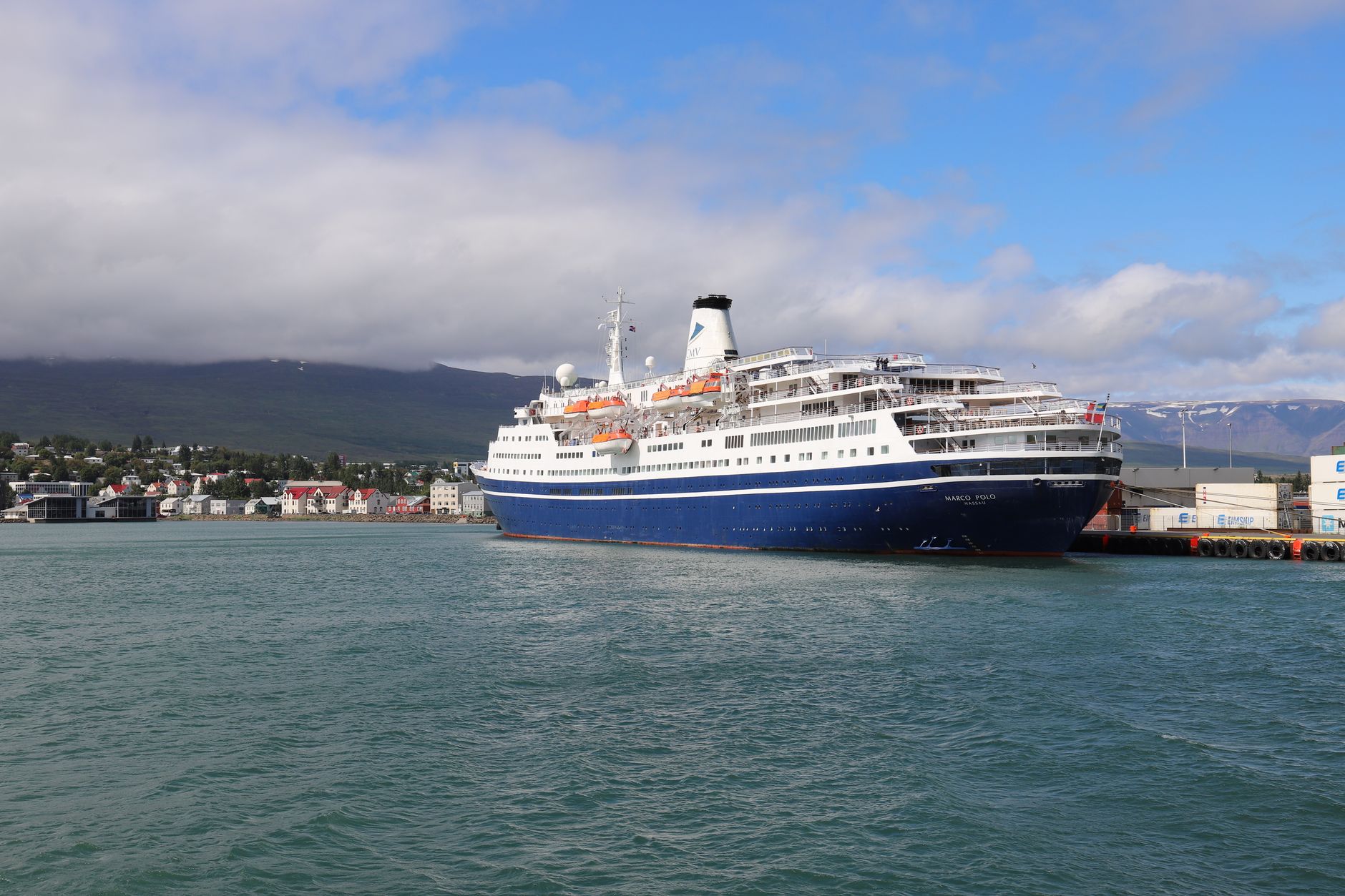
Another important reason Akureyri can become extremely busy during the warmer months is its popularity as a cruise destination. The town has developed into an important port of call for cruise ships travelling around Iceland and the North Atlantic. During the main cruise season, large numbers of visitors can arrive within a single day, creating a noticeable increase in activity around the harbour and town centre.
The location of the port is particularly convenient for cruise passengers. Unlike destinations where visitors must travel a long distance from the harbour before reaching the main attractions, Akureyri’s port is close to the town itself. Passengers can therefore walk into the centre, explore local shops and restaurants, visit cultural attractions or join organised excursions into the surrounding countryside.
For cruise tourists, Akureyri also provides a gateway to some of the most impressive natural attractions in North Iceland. Visitors may use their limited time in port to explore waterfalls, volcanic landscapes, geothermal areas or other scenic locations before returning to their ship.
Goðafoss Adds to the Town’s Appeal


One of the most famous attractions within reach of Akureyri is Goðafoss, a spectacular waterfall whose name means “Waterfall of the Gods.” Located about 35 kilometres from Akureyri, it is a popular destination throughout the year. The Skjálfandafljót River cascades approximately 12 metres over a width of about 30 metres, creating a powerful and photogenic natural spectacle.
Goðafoss also carries an important historical association. According to Icelandic tradition, the waterfall became connected with the country’s conversion to Christianity around the year 1000. The story says that the lawspeaker Þorgeir Ljósvetningagoði threw statues representing the old Norse gods into the waterfall after Christianity was adopted.
The waterfall’s accessibility is another reason it is popular with visitors based in Akureyri. It lies close to Iceland’s Ring Road, with viewpoints and walking paths on both sides of the river. Its appearance also changes dramatically throughout the year, with summer’s powerful flowing water giving way to snow and ice during winter.
Akureyri Is a Gateway to North Iceland
Akureyri’s greatest tourism advantage may be its location. The town is not merely an attraction in its own right; it is also a gateway to a much larger part of Iceland.
From Akureyri, visitors can travel toward Lake Mývatn and its extraordinary volcanic and geothermal landscapes. They can explore waterfalls, lava formations, geothermal areas and other natural attractions across North Iceland. The region also provides opportunities to travel along scenic coastal routes and discover smaller communities that many visitors would otherwise miss.
This makes Akureyri particularly attractive to travellers who prefer to establish a base and take day trips rather than move from hotel to hotel every night. A visitor can stay in the town for several days, return to the same accommodation each evening and explore a different part of North Iceland each day.
The arrangement can be especially appealing to families and older travellers who may not want the constant packing and unpacking involved in a fast-paced road trip.
Autumn Brings a Quieter Kind of Beauty


When summer begins to fade, Akureyri does not lose its charm. Instead, the town enters a quieter and more atmospheric period.
Autumn brings changes to the surrounding landscape as vegetation takes on different colours and the daylight gradually decreases. The evenings become darker, creating better opportunities to search the skies for the Northern Lights. For travellers who prefer fewer crowds, this can be an especially attractive period.
The atmosphere of the town also changes. The intense activity associated with the height of summer begins to ease, and visitors can enjoy attractions at a more relaxed pace. Restaurants, cafés, museums and cultural venues remain available, while the countryside takes on a different visual character.
Winter Transforms Akureyri Into an Adventure Destination


Winter is when Akureyri reveals another side of its personality. Snow covers the surrounding mountains and the landscape becomes quieter and more dramatic. For visitors who enjoy winter sports, the season provides opportunities that are simply unavailable during the warmer months.
One of the major attractions is the Hlíðarfjall Ski Area, located close to the town. Its proximity means visitors can combine the convenience of staying in Akureyri with access to a mountain environment suitable for winter activities.
Winter also provides opportunities to experience Iceland under dramatically different lighting conditions. The short days and long nights can create spectacular scenes around Eyjafjörður, while the possibility of seeing the Northern Lights adds another reason for travellers to visit.
The Northern Lights Keep Winter Tourists Coming


The Northern Lights are among Iceland’s most powerful tourism attractions, and they contribute significantly to Akureyri’s winter appeal.
Unlike a museum, waterfall or historical building, the aurora cannot be guaranteed. Its appearance depends on several factors, including solar activity, darkness and cloud conditions. This uncertainty makes the experience feel even more special when the lights finally appear.
Imagine spending the evening in Akureyri, enjoying a meal or relaxing in a warm swimming pool before stepping outside into the cold night. Above the mountains and fjord, the sky begins to glow, and ribbons of light gradually become visible.
For many travellers, this becomes one of the defining memories of their Iceland trip.
Akureyri Is More Than a Nature Destination
Although nature is undoubtedly one of Akureyri’s greatest attractions, the town itself has a rich cultural identity.
Visitors can explore museums, galleries, historic buildings and neighbourhoods that reveal the development of the community. Walking through the older parts of the town offers an opportunity to see traditional Icelandic architecture and understand how people have lived in this northern environment.
The town’s cultural attractions provide a welcome contrast to days spent exploring waterfalls and mountains. Instead of simply moving from one natural attraction to another, visitors can spend time learning about Icelandic history, art, literature and local life.
This cultural dimension is important because it gives tourists a reason to stay longer. Akureyri is not simply somewhere to sleep between excursions. It is a destination that can be explored in its own right.
Food and Cafés Add to the Experience
Food is another reason visitors enjoy spending time in Akureyri.
The town has a selection of restaurants, cafés and places offering both Icelandic and international cuisine. After spending a day exploring the countryside, travellers can return to town and enjoy a warm meal or coffee in a comfortable setting.
For many tourists, these smaller experiences become just as memorable as the major attractions. Sitting in a café while looking out at the mountains, sampling local food or walking through the town after dinner can provide a more personal connection with Iceland.
The region’s fishing and agricultural traditions also influence the local food culture. Visitors interested in Icelandic cuisine can therefore find opportunities to sample dishes and ingredients connected to the country’s natural environment.
Whale Watching Adds Another Dimension


Eyjafjörður is not simply a spectacular backdrop for Akureyri. The waters around the region also provide opportunities for marine wildlife experiences.
Whale-watching excursions allow visitors to leave the town behind and experience the fjord from the water. Seeing the surrounding mountains from a boat provides a completely different perspective, while the possibility of encountering whales adds excitement to the journey.
Wildlife sightings can never be guaranteed, but that uncertainty is part of the attraction. Travellers are not simply visiting an exhibition where animals appear on schedule. They are entering a natural environment where every trip can be different.
Grímsey Offers an Arctic Experience


Visitors interested in experiencing Iceland’s Arctic identity can also travel to Grímsey, an island located across the Arctic Circle.
Grímsey is very different from Akureyri itself. Its remote setting, small community and birdlife provide an experience that feels much closer to Iceland’s isolated northern environment.
For tourists, crossing the Arctic Circle can also become a memorable milestone. It gives the journey a geographical significance beyond simply visiting another tourist attraction.
Why Tourists Keep Returning to Akureyri
There is no single explanation for Akureyri’s popularity. Rather, it is the result of several advantages coming together.
The town is beautiful, but it is also practical. It is surrounded by nature, but it has restaurants, accommodation, museums and other urban facilities. It offers adventure without requiring visitors to abandon comfort. It provides access to remote landscapes while remaining compact and easy to explore.
Its position in North Iceland is another major advantage. Visitors can use the town as a base for exploring waterfalls, geothermal areas, volcanic landscapes, wildlife destinations and coastal communities.
The town’s appeal also changes throughout the year. Summer brings long daylight and cruise tourism. Autumn offers quieter travel and increasingly dark skies. Winter introduces skiing, snow and Northern Lights opportunities. Spring brings renewed daylight and the return of many outdoor activities.
In other words, Akureyri does not have an “off-season” in the traditional sense. It has different seasons with different reasons to visit.
Final Thoughts
Akureyri’s growing popularity is not simply the result of clever tourism marketing. The town possesses a combination of geography, culture, accessibility and seasonal variety that naturally makes it attractive to visitors.
Tourists come in summer for the long daylight, green landscapes, outdoor adventures and cruise excursions. They return in autumn for the changing colours, quieter atmosphere and darkening skies. Winter brings skiing, snow-covered mountains and the possibility of witnessing the Northern Lights, while spring slowly restores the long days and outdoor energy.
The surrounding region adds even more reasons to visit, with Goðafoss, Lake Mývatn, volcanic landscapes, geothermal areas, coastal routes and Arctic experiences within reach.
Yet perhaps Akureyri’s greatest strength is that visitors do not have to choose between experiencing nature and enjoying the comforts of a town.
They can have both.
A traveller can wake up overlooking a spectacular fjord, spend the day exploring a waterfall or mountain landscape, return to town for a meal, walk through historic streets and finish the evening watching the sky above the mountains.
That combination makes Akureyri more than a stop on an Iceland road trip.
It makes it a destination in its own right.
And as more travellers discover the distinctive beauty of North Iceland, there is every reason to expect Akureyri to remain one of the country’s most appealing year-round tourist destinations.
Leave a Reply