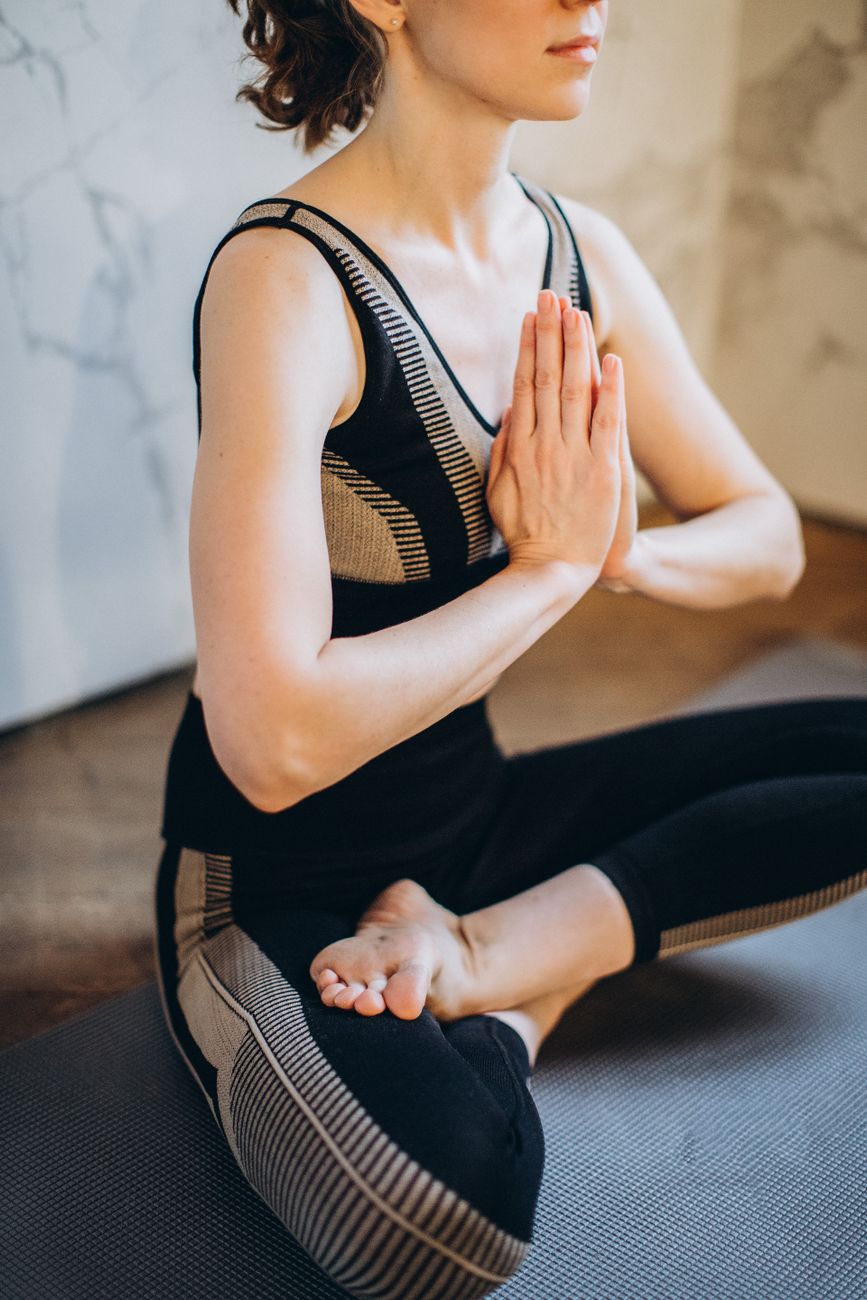
Let’s be honest for a second. When you picture yoga, what comes to mind? Is it a person twisted into a human pretzel, breathing quietly on a mountaintop? Or maybe a room full of flexible people in expensive leggings?
For years, I avoided yoga for that very reason. I thought, “I’m not flexible enough for that.” But here is the secret that no one tells you: You don’t need to be flexible to do yoga. Yoga makes you flexible.
After finally rolling out my mat three years ago, I discovered that yoga isn’t just about touching your toes. It is a holistic practice that reshapes your body, calms your nervous system, and rewires your brain. Here is why you should consider starting today.
1. The Physical Overhaul (Beyond the Six-Pack)
Most people come for the physical benefits, and they do not disappoint.
- Real Flexibility: Tight hamstrings and a sore back are the currency of modern life (thank you, desk jobs). Yoga gently lengthens muscles that have been shortened by hours of sitting. Within a few weeks, you will notice daily tasks—like bending to tie your shoes—become easier.
- Functional Strength: Unlike lifting weights in isolation, yoga uses your body weight to build lean, functional muscle. Holding a Plank or a low Warrior pose requires you to fire every muscle from your fingers to your toes. You aren’t just building “beach muscles”; you are building strength that protects your joints.
- Pain Relief: I cannot promise a miracle, but study after study shows that yoga is incredibly effective for chronic back pain, neck tension, and arthritis. By improving alignment and mobility, you teach your body how to hold itself up without pain.
2. The “Secret Weapon” for Stress
If the physical benefits were the headline, the mental shift is the book you can’t put down.
In our dopamine-driven world, we rarely stop thinking. Yoga forces you to listen. When you are balancing on one leg in Tree Pose, you cannot worry about your email inbox. You are too focused on the sensation of your foot on the floor.
This is the practice of mindfulness. By connecting your breath (the inhale and exhale) to your movement, you activate the parasympathetic nervous system—the “rest and digest” mode. The result? Lower cortisol levels, reduced anxiety, and a feeling of calm that follows you off the mat and into traffic.
3. Better Sleep, Better Mood
Have you ever tried to fall asleep with a racing mind? I have. It is torture.
Yoga Nidra (yogic sleep) and gentle evening flows are like a lullaby for your nervous system. Because yoga lowers physiological arousal (lower heart rate, slower breath), you signal to your brain that it is safe to rest.
Furthermore, the release of tension in your physical body removes the “aches and pains” that wake you up at 3:00 AM. Many practitioners report falling asleep faster and staying asleep longer within just two weeks of regular practice.
4. It Adapts to You (Yes, You)
The biggest misconception is that you have to be “good” at yoga to do it. That is like saying you have to be clean to take a shower.
There are hundreds of styles. If you want a workout, try Vinyasa or Power Yoga. If you are recovering from an injury, try Yin or Hatha. If you are a senior or have mobility issues, Chair Yoga is wildly effective.
You don’t need a special mat, a special outfit, or a studio membership. You just need 10 minutes in your living room. YouTube is full of free classes for “Yoga for stiffness” or “Yoga for absolute beginners.”
5. The “Inner GPS”
Perhaps the most profound benefit is the relationship you build with yourself. In a world that constantly asks you to do more, be more, and buy more, yoga asks you to simply be.
Through consistent practice, you learn to listen to your body’s whispers before they become screams. You learn that discomfort is temporary and that pushing too hard leads to injury—lessons that translate directly to how you handle work pressure and relationships.
Ready to Start?
You don’t need to fold yourself into a pretzel tomorrow. Just find a quiet spot, stand up straight, take three deep breaths, and reach your arms toward the ceiling. Congratulations—you just did yoga.
Start with 10 minutes a day for two weeks. Notice how your back feels. Notice how you react to your annoying coworker. Notice how you sleep.
The mat is waiting for you. It doesn’t care if you can touch your toes; it just cares that you showed up.
Namaste. 🧘♀️
Leave a Reply