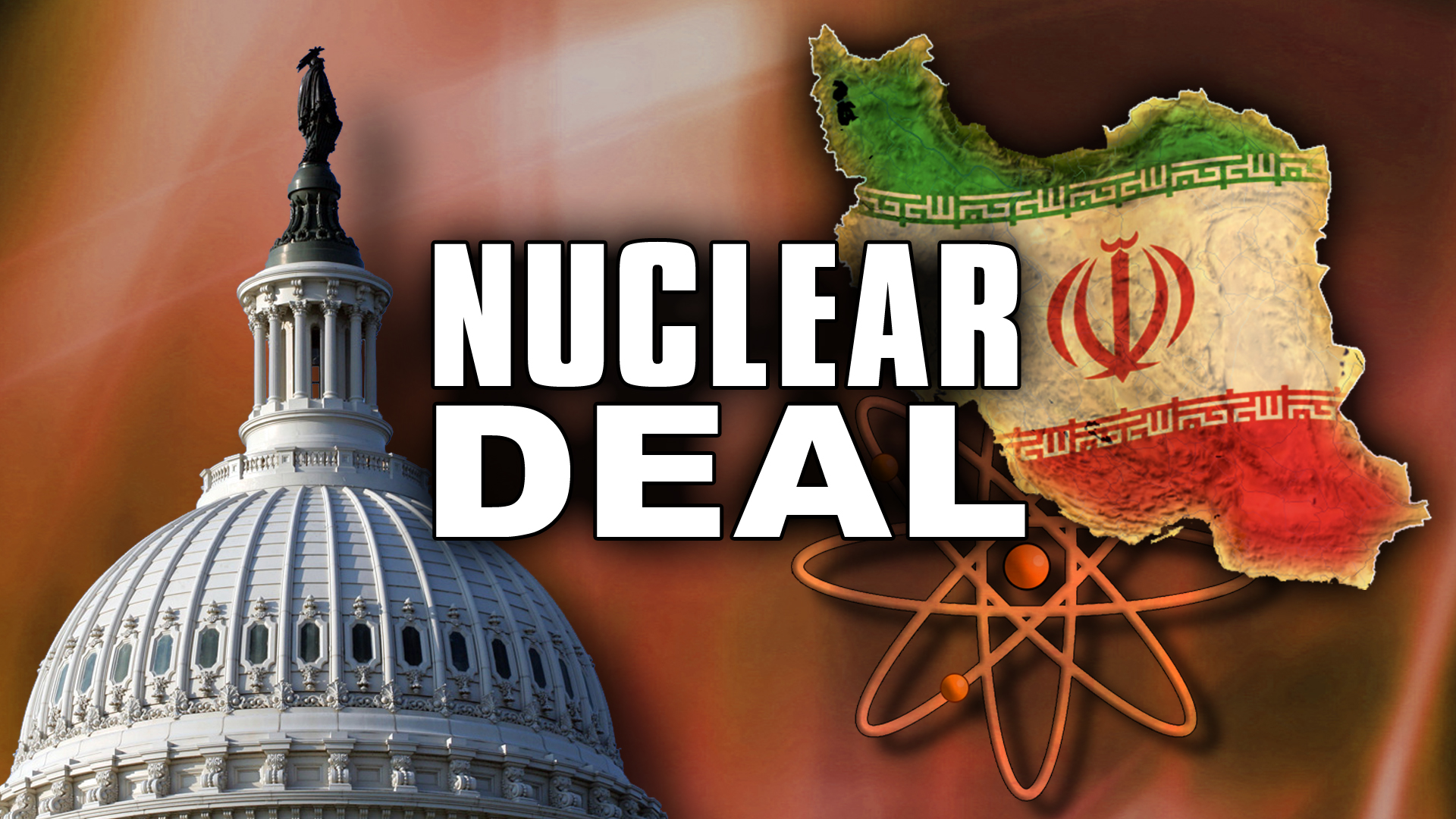
Former Israeli Prime Minister Ehud Olmert said Saturday that many in Israel are disappointed that an emerging understanding between the U.S. and Iran does not appear to directly address Tehran’s nuclear program, which he described as the primary reason for recent military action.
Speaking on Newsmax’s “Saturday Report,” Olmert said details of the agreement remain unclear but suggested that negotiations over Iran’s nuclear activities could be deferred to a later stage.
“Yesterday, there are quite a few people here which are disappointed,” Olmert said. “The fact that this understanding, which you call it a peace agreement — I’m not certain that this is a peace agreement, but whatever it is — does not include any control over the nuclear program of Iran.”
Olmert said that based on information currently available, the nuclear issue appears to have been left outside the framework of the initial understanding.
“The fact that it is not part of the present agreement, it’s just a general understanding as far as I understand,” he said. “Maybe we don’t know all of the details. We have to see when it’s signed.”
His comments come amid continued scrutiny of diplomatic efforts involving Iran and questions over whether any agreement will address concerns about Tehran’s nuclear ambitions and missile capabilities.
According to Olmert, current indications suggest that negotiations over Iran’s nuclear program could take place separately within a 60-day period following the broader understanding.
“To the degree that we know, it seems that the nuclear issue will be negotiated afterward within the time framework of 60 days,” he said.
Olmert argued that such an approach leaves unresolved the issue that prompted military action in the first place.
“I think that the main reason for the military action in the first place is not part of this agreement,” he said.
He added that Iran’s missile program also appears to be absent from the current framework.
“Of course, the missile program is also not part of it,” Olmert said.
The former prime minister suggested that Israeli government officials are likely dissatisfied with the arrangement, though he questioned whether those concerns would be expressed publicly.
“I think that at least here in the government, I don’t think for myself, I think the government is unhappy,” Olmert said.
However, he said Prime Minister Benjamin Netanyahu may be reluctant to openly criticize the agreement because of his relationship with President Donald Trump.
“I’m not certain that the government will say it out loud, because the prime minister has very sensitive relations with the president,” Olmert said.
Leave a Reply