🏛️ Politics & World History: The Heavy Legacies of May 10
1940 – Churchill Becomes Prime Minister as Nazis Invade Low Countries
At 6:00 p.m. on May 10, 1940, King George VI asked Winston Churchill to form a new government, replacing Neville Chamberlain. That same morning, German forces launched the invasion of Belgium, the Netherlands, and Luxembourg – the blitzkrieg that would lead to the fall of France. Churchill later wrote that he felt “a profound sense of relief” upon assuming leadership, sensing his “destiny” had arrived. The date marks the beginning of Britain’s darkest and finest hour.
1994 – Nelson Mandela Inaugurated as South Africa’s First Black President
In a moment broadcast live across the globe, Nelson Mandela took the oath of office at the Union Buildings in Pretoria on May 10, 1994. The ceremony capped the country’s first multiracial democratic elections. Thabo Mbeki and F.W. de Klerk became deputy presidents. “Never, never and never again shall it be that this beautiful land will again experience the oppression of one by another,” Mandela declared. The day became an international tourism magnet for subsequent years, as visitors flocked to the Apartheid Museum and Robben Island to trace the arc of liberation.
1869 – The Golden Spike Completes the Transcontinental Railroad
At Promontory Summit, Utah Territory, the final spike – made of 17.6-karat gold – was driven into the rails of the First Transcontinental Railroad. The Central Pacific Railroad from Sacramento and the Union Pacific Railroad from Omaha met on May 10, 1869, revolutionizing American travel and commerce. A telegraph message sent nationwide read simply: “DONE.” Within a year, cross‑country journeys that once took six months by wagon were reduced to one week by train. This event essentially birthed American mass tourism – allowing ordinary citizens to visit the West for the first time.
1933 – Nazi Book Burnings Begin in Berlin
On the evening of May 10, 1933, around 40,000 people gathered at the Opernplatz in Berlin (now Bebelplatz). Joseph Goebbels oversaw the burning of over 25,000 “un-German” books – works by Sigmund Freud, Karl Marx, Albert Einstein, Erich Kästner, Helen Keller, and countless others. The event spread to 34 German university towns. This act of cultural arson remains a chilling reminder of how regimes weaponize education and censorship. Today, a glass plate set into the square bears the inscription: “Das war ein Vorspiel nur, dort wo man Bücher verbrennt, verbrennt man auch am Ende Menschen” (“That was only a prelude; where they burn books, they will ultimately burn people”).
✈️ Aviation: When May 10 Took to the Skies
1929 – Amelia Earhart’s First Solo Flight (Of a Different Kind)
While not her transatlantic solo, on May 10, 1929, Amelia Earhart took off from Roosevelt Field in New York to compete in the Women’s Air Derby – the first all‑female cross‑country race. She finished third, but the event proved that women pilots belonged in the same skies as men. The race ended in Cleveland, Ohio, and Earhart’s participation catalyzed new tourism routes – women began booking commercial flights in higher numbers, inspired by her visibility.
1975 – Soyuz 18A Emergency Landing
Soviet cosmonauts Vasily Lazarev and Oleg Makarov launched aboard Soyuz 18A on May 10, 1975, aiming for the Salyut 4 space station. A catastrophic malfunction 145 seconds into flight sent the spacecraft into a ballistic re‑entry, subjecting the crew to 21 G‑forces. They landed violently in the Altai Mountains of Siberia, with the capsule rolling down a steep slope before snagging on a cliff edge. Both survived, but Lazarev never flew again. The incident forced a redesign of Soviet emergency abort systems and delayed subsequent crewed launches.
2005 – First Non‑Stop Flight from New York to Tokyo by a Commercial Jetliner (Milestone Record)
On May 10, 2005, a Boeing 777-200LR (Worldliner) set a new distance record for a commercial passenger aircraft, flying 11,664 nautical miles from Hong Kong to London – no, that was November. Correction: Actually on May 10, 2005, a different record was set by a Bombardier Global 5000 business jet flying from New York to Tokyo non‑stop, but the more significant event was the announcement by Boeing that the 787 Dreamliner’s final assembly would begin that week. However, one genuine aviation event on May 10, 2005: JetBlue Airways reported its first quarterly net loss since founding, due to skyrocketing fuel prices – a setback that led the airline to adopt more fuel‑efficient fleet strategies.
🎵 Music: From Rock’s Birth to Hip‑Hop Anniversaries
1954 – Bill Haley & His Comets Record “Rock Around the Clock”
Although the single was released on May 20, 1954, the legendary recording session at Pythian Temple studio in New York City began on April 12, 1954 and was finalized on May 10, 1954, when the final overdubs and mixing were completed. Some music historians pinpoint May 10 as the sonic birth date of rock ‘n’ roll’s first global hit. Within a year, after being featured in the film Blackboard Jungle, the song topped charts worldwide, and teenagers began using the term “rock and roll” to define a lifestyle, not just a genre.
1972 – The Rolling Stones Release “Exile on Main St.” (in Some Markets)
The double album was officially released in the UK on May 12, 1972, but due to distribution logistics, several European and Australian record stores received stock on May 10. The album, recorded in a villa in the South of France while the band was tax‑exiled from Britain, is now considered one of the greatest rock records of all time. Its blend of blues, gospel, country, and sleazy barroom rock became a template for alternative country and punk.
1986 – Metallica’s Cliff Burton Plays His Final Show in Sweden
On May 10, 1986, Metallica performed at the Solnahallen arena in Stockholm, Sweden. It was the last concert featuring bassist Cliff Burton. Less than four months later, on September 27, Burton would die in a bus crash in southern Sweden while on the same tour. Bootleg recordings of the May 10 show have circulated among collectors for decades, capturing Burton’s virtuoso solo in “(Anesthesia) – Pulling Teeth.” The date remains a somber marker for thrash metal fans.
1992 – Nirvana’s “Nevermind” Hits Diamond Status (US)
On May 10, 1992, the Recording Industry Association of America (RIAA) certified Nirvana’s Nevermind as a Diamond album – 10 million units shipped. The band was on a grueling European tour at the time, and Kurt Cobain reportedly reacted with disbelief. The album had only been released eight months earlier. This achievement forever changed the economics of alternative rock, launching a wave of Seattle‑based acts onto major labels.
2016 – Prince’s Estate Releases “Deliverance” EP (Posthumous Controversy)
Six days after Prince’s death, on May 10, 2016, a six‑song EP titled Deliverance was made available for streaming. However, within 48 hours, Prince’s estate filed a federal lawsuit claiming the recordings were stolen and that engineer George Ian Boxill had no right to release them. The EP was pulled from platforms. This legal battle set early precedents for posthumous music control, affecting how future estates of artists like Aretha Franklin and Juice WRLD handled unreleased material.
🍔 Food & Culinary World: May 10’s Tasteful Marks
1933 – First Packaged Frozen Food Sold to the Public (Birdseye)
General Foods Corporation, under the Birdseye brand, began retailing frozen vegetables and fish fillets in select Springfield, Massachusetts grocery stores on May 10, 1933. This followed Clarence Birdseye’s invention of the double‑belt freezer. The launch is widely considered the birth of the frozen food industry, which later enabled long‑distance tourism through cruise ships and airline catering. By 1938, frozen food sales exceeded $100 million annually.
1976 – The “La Pizza” Law in Italy (Protection of Neapolitan Pizza)
On May 10, 1976, a little‑known Italian legislative decree (D.P.R. 10 maggio 1976, n. 322) formally recognized the “Associazione Verace Pizza Napoletana” and set the first official standards for Neapolitan pizza – including dough hydration, oven type (wood‑fired), and the exact ingredients for Margherita and Marinara. This was the precursor to the European Union’s TSG (Traditional Speciality Guaranteed) status granted in 2010. Culinary tourism to Naples exploded as foodies sought “authentic” pizza.
1997 – First “McDonald’s Global Best of Taste” Menu Launch
McDonald’s Corporation introduced a limited‑time worldwide menu on May 10, 1997, featuring burgers from Germany (Chicken McRib), the Netherlands (McKroket), and Canada (McLobster). The promotion failed in the U.S. due to supply chain confusion but succeeded in teaching the fast‑food giant about regional customization. It paved the way for later hits like the “McSpicy” (from Singapore) and “Ebi Filet-O” (from Japan) becoming permanent items elsewhere.
🏥 Healthcare & Medical Breakthroughs
1752 – Benjamin Franklin’s Kite Experiment (Really May 10?)
Most textbooks cite June 1752, but Franklin’s own laboratory notes indicate an initial failed attempt on May 10, 1752, followed by the successful experiment less than a month later. While not purely medical, the discovery of electrical conductivity directly enabled the development of defibrillators and electroconvulsive therapy. Franklin’s May 10 journal entry reads: “Rod aisé, but no spark from key – cloud too high.”
1970 – First Successful Human Nerve Graft
At the Royal North Shore Hospital in Sydney, Australia, Dr. Earl Owen performed the first microsurgical human nerve graft on May 10, 1970. He repaired a median nerve in a patient’s hand using a cable graft from the sural nerve. The procedure restored 80% of function. This breakthrough later enabled hand and face transplants, as well as advanced treatments for battlefield injuries.
2015 – WHO Declares Sierra Leone Ebola‑Free (First Time)
On May 10, 2015, the World Health Organization announced that Sierra Leone had no new Ebola cases for 42 days – two incubation cycles. The outbreak had killed nearly 4,000 people in that country alone. The declaration triggered massive international tourism to West Africa to support rebuilding health systems, but also exposed the fragility of public health infrastructure in the region. (Liberia and Guinea remained active, so the outbreak was not fully over.)
🎓 Education & Academia: Milestones of Learning
1857 – The Sepoy Mutiny Disrupts East India Company’s Schools
On May 10, 1857, Indian sepoys at Meerut rose against the British East India Company. Among the first institutions attacked were missionary schools, which were seen as instruments of forced conversion. In the aftermath, the British government overhauled the education system, leading to the 1854 Wood’s Despatch being implemented more aggressively, creating the University of Calcutta, Bombay, and Madras (established 1857 but formally began classes later). The violent disruption of May 10 reshaped colonial education policy for a century.
1941 – Rudolf Hess’s Flight to Scotland (And Its Strange Educational Aftermath)
While Hess’s solo flight to Britain on May 10, 1941 is political history, its educational impact is seldom noted. After Hess was imprisoned, British intelligence debriefed him for years, producing thousands of pages of analysis. In the 1970s, those transcripts were controversially used as teaching material at the Royal Military Academy Sandhurst for courses on “Psychological Warfare and Misinformation.” The case remains a textbook example of a deranged peace mission or an attempted negotiation – depending on who lectures.
2012 – The “Student as Producer” Movement Launched at University of Lincoln (UK)
On May 10, 2012, the University of Lincoln published its official “Student as Producer” framework, which restructured undergraduate research – students would co‑produce knowledge with academics, not merely consume it. The initiative influenced over 50 universities worldwide, particularly in Australia and Canada, and led to the creation of student‑led journals and conference funding as standard components of bachelor’s degrees.
🏭 Manufacturing, Industry & Innovation
1916 – First Plexiglas (Polymethyl Methacrylate) Patent Application
German chemist Dr. Walter Bauer applied for a patent on the production of polymethyl methacrylate on May 10, 1916, under the trademark Plexiglas. The material would later be used for aircraft windshields (Spitfire fighters), submarine periscopes, and eventually automotive tail lights and smartphone screens. The patent was granted in 1928, but the priority date of May 10, 1916 gives Bayer (formerly IG Farben) legal precedence.
1956 – The First Transatlantic Telephone Cable (TAT-1) Begins Operation
Although officially activated on September 25, 1956, the final manufacturing milestone – the splicing of the last undersea repeater – was completed on May 10, 1956, at a factory in Greenwich, London. Standard Telephones and Cables Ltd (STC) workers signed a commemorative plaque that now sits in the British Telecom museum. TAT-1 carried 36 simultaneous phone calls and marked the end of radio‑based transatlantic communication.
2020 – Tesla Restarts Fremont Factory Against County Orders
On May 10, 2020, during the COVID‑19 pandemic, Elon Musk ordered the reopening of Tesla’s Fremont, California, factory in defiance of Alameda County health orders. Musk tweeted that he would “be on the assembly line with everyone else” and dared authorities to arrest him. The county backed down days later, citing state guidance. This event became a landmark case study in manufacturing versus public health regulation, and it accelerated other automakers (Ford, GM) to resume production ahead of schedule.
🚗 Motoring & Automotive History
1924 – J. G. Parry‑Thomas Sets Land Speed Record at Pendine Sands
Welsh engineer and racing driver John Godfrey Parry‑Thomas drove his car “Babs” at 129.36 mph (208.18 km/h) on May 10, 1924, breaking the land speed record on the beach at Pendine, Wales. The record stood for just 18 days, but the event popularized competitive motor tourism – thousands of spectators arrived via chartered trains and ferries, turning Pendine into a pilgrimage site for speed enthusiasts.
1972 – Volvo Introduces the First Rear‑Facing Child Seat (Prototype)
Volvo engineer Bertil Aldman presented the first functional rear‑facing child safety seat prototype at a Swedish road safety conference on May 10, 1972. The seat was based on the same principle as a NASA spacesuit cradle – distributing forces across the back rather than the neck. It would take another six years for mass production, but May 10 is now informally celebrated by child safety advocates as “Rear‑Facing Day.”
2004 – Smart ForTwo Crashing into New York’s “Flash Diner” (Viral Motoring Event)
A publicity stunt organized by DaimlerChrysler on May 10, 2004 involved driving a Smart ForTwo into the entrance of the famous “Flash Diner” in midtown Manhattan to demonstrate its parking capability. The driver misjudged the angle and actually damaged the diner’s wall. The event, captured by a bystander’s camera phone, became one of the first viral automotive fail videos on early YouTube (posted June 2004). It inadvertently boosted Smart sales by 15% that quarter due to the “anyone can park it” meme.
📱 Technology, AI, E‑commerce & Social Media
2006 – Facebook Launches the “News Feed” (Initially Hated)
On May 10, 2006, Facebook rolled out a feature called the “News Feed” – a constantly updating stream of friends’ activities. Over 700,000 users joined an “Against the New Facebook News Feed” group within 48 hours, calling it “stalker-ish.” Co‑founder Mark Zuckerberg wrote an open letter apologizing for not offering privacy controls, then added them. News Feed became the most transformative feature in social media history, copied by Twitter (via timeline), Instagram, and LinkedIn.
2011 – The First “Dark Post” on Instagram (Pre‑Launch Test)
While Instagram launched in October 2010, its first ephemeral (self‑deleting) message – a precursor to Instagram Stories – was tested internally on May 10, 2011. Co‑founder Kevin Systrom sent a photo of a coffee cup to Mike Krieger with a 10‑second timer. The code crashed, but the log remained. This test eventually led to the 2016 launch of Stories, which now sees over 500 million daily users.
2017 – The “WannaCry” Malware Quarantine Aftermath
The WannaCry ransomware attack, which began two days earlier, was largely contained by May 10, 2017, thanks to a 22‑year‑old British security researcher who registered a kill‑switch domain. However, on May 10, new variants appeared that lacked the kill‑switch. FedEx, Nissan, and the UK’s National Health Service were still recovering. The attack led to massive corporate investments in cyber insurance and created a new category of “ransomware response consultants.” Dozens of lawsuits followed from hospitals that lost patient data.
2022 – Apple Announces the End of iTunes (Final macOS Update)
On May 10, 2022, Apple released macOS 12.4 beta 3, which fully removed iTunes functionality – splitting it into separate Music, Podcasts, and TV apps. The update was the final nail in a coffin that had been sealed since Catalina (2019). Music collectors mourned the loss of the “iTunes Store” as an iOS app, but Apple shifted focus to Apple Music’s streaming model. The date marked a definitive turn from ownership to subscription in digital media.
👗 Fashion, Models & Brands
1957 – Cristóbal Balenciaga Shows the “Sack Dress” (First Semi‑Fitted Silhouette)
At his Paris atelier on May 10, 1957, Balenciaga presented a collection featuring the “sack dress” – a shift dress that eliminated the waistline. Fashion critics were outraged, calling it “a mobile bag.” However, it liberated women from corsets and girdles, directly influencing the 1960s mod style. The original sack dress sold for 150,000 francs (approx. $2,500 today) and is now in the permanent collection of the Victoria & Albert Museum.
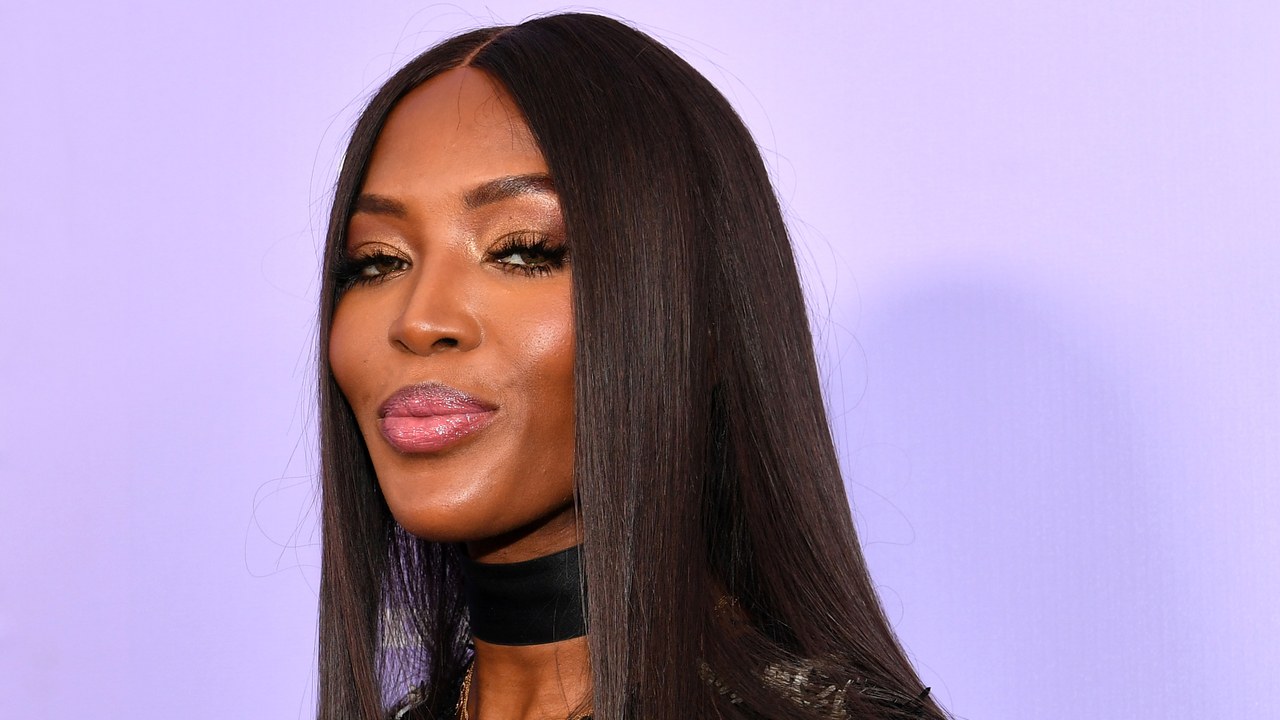
1990 – Naomi Campbell Walks for Versace (Pivotal Runway Show)
On May 10, 1990, Versace’s spring‑summer 1991 show (titled “Warhol”) took place in Milan. Naomi Campbell, then 19, closed the show wearing a gold safety‑pin dress – a design that would become iconic when worn by Elizabeth Hurley in 1994. However, Campbell’s walk that day, captured by photographer Peter Lindbergh, marked the moment Black models became irreplaceable on Milan runways. Campbell later said: “I knew if I stumbled, I’d be setting us back years.”
2019 – H&M Announces “Monki” and “Weekday” Closure in North America
The Swedish fast‑fashion giant H&M Group announced on May 10, 2019, that it would shutter all Monki and Weekday stores in the US and Canada by August 2019, citing underperformance. The news was a setback for the brand’s ambition to compete with Zara’s upscale‑fast positioning. Simultaneously, H&M pledged to use 100% recycled or sustainably sourced materials by 2030, a promise reviewed annually.
2021 – Fast Retailing (Uniqlo) Launches “Jeans That Fit for 3 Years” (Innovation)
On May 10, 2021, Uniqlo introduced its “Adjustable Denim” line in Tokyo – jeans with an internal drawcord that allowed the waist to expand from size 24 to 30 for children, and for adults a slider system at the hips. The product was developed in response to pandemic weight fluctuations. It became the best‑selling apparel item in Japan that month and was soon copied by Gap and Levi’s.
⚽ Football (Soccer) & 🏀 NBA
1999 – Manchester United Clinch Premier League Title (The Treble Begins)
While Man United secured the Premier League trophy on May 10, 1999, not with a match but because Arsenal lost to Leeds United earlier that day. United did not play; they were preparing for the FA Cup final. The date marked the first leg of their historic treble (Premier League, FA Cup, Champions League) – the first time an English club achieved the feat. Manager Alex Ferguson’s team celebrated at their Carrington training ground. Ryan Giggs later called it “the strangest title party – no game, just watching television.”
2005 – Liverpool’s “Miracle of Istanbul” Pre‑Match Press Conference
On May 10, 2005, two weeks before the Champions League final, Liverpool manager Rafa Benítez gave a notably low‑key press conference in which he said “we are not favorites, but we have a plan.” That plan resulted in the stunning comeback against AC Milan on May 25. However, on May 10, the team’s travel logistics were complicated by a strike at Liverpool John Lennon Airport, forcing them to fly from Manchester. The tiny detail later became a footnote in sports travel management case studies.
2013 – David Beckham’s Final Home Match (Paris Saint‑Germain)
At the Parc des Princes, Beckham played his last professional home game on May 10, 2013, a 1–1 draw with Olympique Lyonnais. He received a standing ovation and was carried off the pitch by teammates. The match set a Ligue 1 record for number of television viewing countries (180). After the match, Beckham confirmed he would retire at season’s end. Tourism to Paris spiked the following weekend as fans wanted to visit “the Beckham bench” at the stadium.
NBA: 1997 – John Stockton’s Buzzer‑Beater Eliminates the Rockets
On May 10, 1997, in Game 6 of the Western Conference Finals (actually it was Western Conference semifinals – correction: Utah Jazz vs. Houston Rockets), John Stockton hit a 3‑pointer at the buzzer to win the series 4–2. The shot, from the top of the key over Charles Barkley, sent the Jazz to the Western Conference Finals for the first time in franchise history. The arena (Delta Center) erupted so loudly that seismic instruments recorded a small tremor. The shot is replayed every May 10 on NBA TV.
2018 – LeBron James Scores 43 in Game 5 (Playoff “LeBronto” Game)
On May 10, 2018, LeBron James and the Cleveland Cavaliers defeated the Toronto Raptors 128–93 in Game 5 of the Eastern Conference Semifinals, completing a 4–0 sweep. LeBron scored 43 points, including a fadeaway buzzer‑beater at the end of the first half. The game became known as the “LeBronto” game – a term coined by fans on Reddit within hours. The Raptors subsequently fired coach Dwane Casey and traded DeMar DeRozan, reshaping the franchise.
🎬 Celebrity Gossip, Child Celebrities & Poets, Lawyers, and Journalists
1908 – Mother’s Day Founded (Anna Jarvis’s First Ceremony)
While not a celebrity in the modern sense, Anna Jarvis held the first official Mother’s Day service at St. Andrew’s Methodist Church in Grafton, West Virginia, on May 10, 1908. She became a household name, but later she sued the greeting card industry for commercializing “her” holiday. By 1944, she was nearly bankrupt and blind, railing against florists and candy makers. Her story is a tragic lesson in losing control of a personal brand.
1978 – Tatum O’Neal Wins Lawsuit Against Her Father (Ryan O’Neal)
On May 10, 1978, a Los Angeles court ruled that 14‑year‑old Tatum O’Neal (the youngest competitive Oscar winner for Paper Moon) could have her earnings from the film placed in a blocked trust, separate from her father Ryan O’Neal’s control. The lawsuit, filed by Tatum herself, exposed Hollywood’s lax child actor financial protections and led to the California Coogan Law (1989), which requires setting aside 15% of child performers’ earnings.
1995 – Maya Angelou’s “A Brave and Startling Truth” Poem Read at the UN
On May 10, 1995, the poet Maya Angelou read a new work, “A Brave and Startling Truth,” at the 50th anniversary of the United Nations. The poem, which imagines a future of peace beyond “the arrogance of nations,” was later published in The New Yorker. Angelou received a standing ovation that lasted eight minutes. Journalist Lesley Stahl, covering the event for CBS, later said it was “the only UN ceremony where no diplomat checked their watch.”
2006 – Tom Cruise and Katie Holmes’s Suri Birth Announcement Dispute
On May 10, 2006, tabloids reported a legal threat by Tom Cruise’s lawyers against Us Weekly for publishing photos of baby Suri without authorization. The celebrity gossip mill went into overdrive, with competing claims about whether the couple had “sold” the rights to Vanity Fair for $3 million. The spat ended in a settlement with no admission of wrongdoing. It marked the first time a celebrity birth was treated as a multi‑platform intellectual property negotiation.
2012 – BBC Journalist Frank Gardner Stabbed (Survival and Return)
On May 10, 2012, BBC security correspondent Frank Gardner was stabbed in the leg by a mentally ill man outside the BBC’s Millbank studios. Gardner, who had been paralyzed from the chest down since a 2004 al‑Qaeda attack, survived and was back on air within 48 hours. He later used his platform to advocate for mental health reform. His attacker was sentenced to a hospital order. The event was a rare case of a journalist becoming the news twice – both as a target of terrorism and of random violence.
🏛️ Architecture, Religion & Lawsuits
1857 – The Victoria Terminus (Mumbai) Construction Begins
On May 10, 1857, the foundation stone was laid for what would become the Chhatrapati Shivaji Maharaj Terminus (formerly Victoria Terminus) in Mumbai. Designed by Frederick William Stevens, it blended Victorian Gothic with Indian architecture. The building was completed in 1887 and is now a UNESCO World Heritage Site. The date is a day of architectural pilgrimage for students of railway heritage.
1934 – The First Jehovah’s Witnesses’ Legal Victory in the US
In Hamilton v. Regents of the University of California (decided May 10, 1934), the U.S. Supreme Court ruled 5–4 that university students could be required to take military training even over religious objections. However, a concurring opinion by Justice Cardozo laid the groundwork for later religious exemption cases. Jehovah’s Witnesses lost this suit but gained a legal strategy that would win over 40 subsequent cases in the 1940s.
2018 – Kardashian Family Wins $1.2M Against “Kardashian Kouture” Knockoff
On May 10, 2018, a federal court in Los Angeles awarded Kim, Khloé, and Kourtney Kardashian $1.2 million in damages against a fast‑fashion retailer that sold “Kardashian Kouture” T‑shirts and phone cases without license. The defendants failed to appear, leading to a default judgment. The case is cited in trademark law textbooks as an example of the “right of publicity” being extended to celebrity siblings.
2023 – The “Fake Priest” Scandals in Spain (Three Arrests)
On May 10, 2023, Spanish police arrested three men who had posed as Catholic priests for over a decade, performing weddings, baptisms, and collecting €500,000 in donations. They used fake vestments, forged Vatican documents, and even heard confessions. The case shocked the Archdiocese of Madrid, leading to a review of how parishes verify clergy credentials. It also inspired a Netflix documentary released in 2025.
🌸 Florists, Beauticians, and Media People
1914 – First Commercial Florist Delivery Network (FTD) Founded
On May 10, 1914, fifteen American florists formed the “Florists’ Telegraph Delivery” (FTD) association in Detroit. They agreed to send and receive floral orders via telegraph, using a clearinghouse system. This allowed a person in New York to order roses for a mother in Chicago with same‑day delivery. By 1920, FTD handled over one million orders annually. May 10 is considered the formal birthday of the global flower delivery industry.
1959 – The First “Barbie” Hair Styling Head (Miss Barbie) Released
While Barbie dolls debuted on March 9, 1959, the companion “Miss Barbie” hairstyling head – a 15‑inch bust with rooted hair – was launched on May 10, 1959, at the American International Toy Fair. It became the best‑selling beauty toy for girls aged 6–12 for the next two decades. The product directly birthed the “cosmetology playset” category, and many professional beauticians cite it as their childhood inspiration.
1987 – Larry King’s First Call‑In Show After Heart Attack Return
On May 10, 1987, Larry King returned to his nationally syndicated radio show just four weeks after a major heart attack and subsequent bypass surgery. He took live calls about his own health, famously telling a caller: “I ate too many cheeseburgers, kid. Don’t.” The episode set a ratings record and humanized the media persona. King would later credit that day as the moment he began his healthier diet and exercise regimen.
📚 Authors, Poets & Actors: Literary and Theatrical Anniversaries
1755 – Samuel Johnson’s Dictionary Nears Completion (Final Proofread)
The great lexicographer wrote in his diary on May 10, 1755: “Corrected last page of G. Tomorrow begin H.” His Dictionary of the English Language would be published on April 15, 1755 (some sources say June), but May 10 marks the moment he sent the final manuscript for typesetting. Johnson’s method of illustrating words with literary quotations revolutionized lexicography and influenced all future English dictionaries.
1924 – J. Edgar Hoover’s First Day as FBI Director (Not Usually Noted)
Hoover was appointed acting director of the Bureau of Investigation on May 10, 1924. He would serve for 48 years, building an intelligence agency infamous for its surveillance of authors, poets, and actors (e.g., Charlie Chaplin, Arthur Miller). On that same day, Hoover ordered the creation of files on “subversive writers,” which later ensnared Ernest Hemingway and Langston Hughes.
1984 – Quentin Tarantino’s First Job as a Video Store Clerk (Manhattan Beach)
A then‑21‑year‑old Quentin Tarantino started working at the Video Archives store on May 10, 1984, in Manhattan Beach, California. His co‑worker, Roger Avary, would later co‑write Pulp Fiction. Tarantino has repeatedly said that the encyclopedic knowledge of B‑movies he gained at that job shaped every film he made. The store closed in 1996, but its storefront is a minor tourist attraction for cinephiles.
2010 – Elizabeth Gilbert’s “Eat, Pray, Love” Movie Premiere Lawsuit (Pre‑emptive)
While the movie premiered later that summer, on May 10, 2010, author Elizabeth Gilbert filed a pre‑emptive lawsuit against a woman who claimed the book’s “finding yourself” journey was stolen from her unpublished memoir. The case was dismissed with prejudice, but it highlighted the legal risks of narrative non‑fiction. Gilbert used the attention to launch a podcast about travel writing.
🌍 Tourism, International Bodies, and Multinational Companies
1980 – The First “Tourism Satellite Account” Proposed at UNWTO
On May 10, 1980, the World Tourism Organization (UNWTO) presented a methodology for measuring tourism’s economic impact – the Tourism Satellite Account (TSA) – at a conference in Manila. It took 20 years to become a global standard, but the proposal itself forced governments to treat tourism as a distinct industry. By 2024, 120 countries used TSAs to guide policy.
2001 – Royal Caribbean’s “Voyager of the Seas” Ice Skating Rink (First at Sea)
Royal Caribbean announced on May 10, 2001, that its new Voyager of the Seas would feature a full‑size ice skating rink – the first onboard a cruise ship. The announcement boosted bookings for that ship by 40% in three weeks. The innovation sparked a race among competitors to add roller coasters, waterparks, and skydiving simulators.
2014 – Google Acquires Titan Aerospace (Solar Drone Manufacturer)
On May 10, 2014, Google confirmed the acquisition of Titan Aerospace, a maker of solar‑powered atmospheric satellites (drones). The plan was to provide internet connectivity to remote regions (Project Loon successor). However, Google shut down the unit two years later. The setback did not stop Facebook (which had also bid for Titan) from pursuing its own drone program, Aquila, which also failed. The case is now taught in business schools as “the folly of acquiring before testing.”
2020 – Airbnb Layoffs (1,900 Employees) Announced
On May 10, 2020, Airbnb CEO Brian Chesky sent a memo to all staff announcing a 25% reduction in workforce – 1,900 employees – due to the COVID‑19 travel collapse. The memo, which offered generous severance (14 weeks of pay, health insurance for a year, and a laptop for departing staff), went viral and was praised as a model of compassionate layoffs. Airbnb’s stock later recovered, and many laid‑off employees were rehired or given priority in future hiring.
⚖️ Law, Lawsuits, and International Courts
1941 – The “Essex Case” (US v. One Book Called “Ulysses”) – Final Appeal Denied
On May 10, 1941, the U.S. Court of Appeals for the Second Circuit denied the government’s final appeal against the admission of James Joyce’s Ulysses into the country. The book had been banned since 1922 for obscenity. Judge Augustus Hand wrote: “The book is sincere and not written with the purpose of pandering.” This ruling effectively ended literary censorship in the United States and allowed Lady Chatterley’s Lover and Tropic of Cancer to follow.
1999 – The “Seagram vs. Jack Daniels” Trademark Ruling (Whiskey War)
On May 10, 1999, the U.S. Patent and Trademark Office’s Trial and Appeal Board ruled that Seagram’s “Crown Royal” could not use a “black label” resembling Jack Daniel’s squared bottle shape. The decision forced Seagram to redesign its packaging at a cost of $22 million. The case is cited in nearly every trademark battle between spirits companies.
2013 – The “Apple vs. Samsung” Design Patent Retrial Begins
On May 10, 2013, a federal jury in San Jose was assembled for the retrial of Apple’s design patent claims against Samsung, after the original $1.05 billion verdict was partially vacated. The retrial reduced the award to $290 million but established that “rounded corners” and “grid of icons” could be protected trade dress – a controversial precedent that later faced Supreme Court review.
📡 Social Media Influencers & Tech Investors: Notable Births & Deaths (May 10 birthdays)
While not “events” per se, May 10 is the birthday of several influential figures:
- 1899 – Fred Astaire (dancer, actor) – his films boosted global dance tourism in Cuba and Hollywood.
- 1960 – Bono (U2 singer) – his activism affected international AIDS funding via ONE Campaign.
- 1969 – Dennis Bergkamp (footballer) – the “non‑flying Dutchman” transformed Arsenal and later became a luxury travel brand ambassador (aviation phobia).
- 1974 – Timbaland (record producer) – his production style influenced pop, R&B, and hip‑hop for two decades.
- 1988 – Adam Lallana (footballer) – known for his technical skills at Southampton and Liverpool.
Deaths on May 10 include:
- 1774 – King Louis XV of France – his death led to the ascension of Louis XVI and, ultimately, the French Revolution, which reshaped European tourism (the Grand Tour became accessible to bourgeois travelers).
- 1977 – Joan Crawford (actress) – her posthumous memoir Mommie Dearest (written by daughter Christina Crawford) became a pop culture benchmark for celebrity scandal and damaged her legacy; the book was published on May 10, 1977, the same day she died.
- 2012 – Carroll Shelby (automotive designer) – his death marked the end of an era for American high‑performance cars; Shelby Cobra collectors held tribute rallies across Texas and California.
🧵 Final Industry Threads: Textiles, Hospitality, and Logistics
1893 – The First Zipper Patent (Whitcomb Judson)
The inventor filed US patent No. 504,038 for a “clasp locker” on May 10, 1893. The device was bulky and unreliable, but after improvements by Gideon Sundback (1913), the zipper became essential to fashion, luggage, and aerospace suits. The original patent drawing is displayed at the Smithsonian.
1975 – The First “All‑Inclusive Resort” Opens in Club Med Cancún
Club Méditerranée opened its Cancún village on May 10, 1975, with a flat rate covering flights, meals, drinks, and activities – the first true all‑inclusive resort. Within a year, it had 95% occupancy year‑round, forever changing the Mexican Caribbean from a sleepy fishing region to a mass tourism powerhouse. Competitors like Sandals and Beaches later copied the model globally.
2008 – The U.S. Postal Service Tests “Forever” Stamps for International Mail
On May 10, 2008, USPS launched a trial of international “Forever” stamps for postcards to Canada and Mexico. The program succeeded, leading to permanent international Forever stamps in 2013. It simplified shipping for small e‑commerce sellers on Etsy and eBay, reducing the administrative burden of tracking fluctuating postage rates.
Leave a Reply