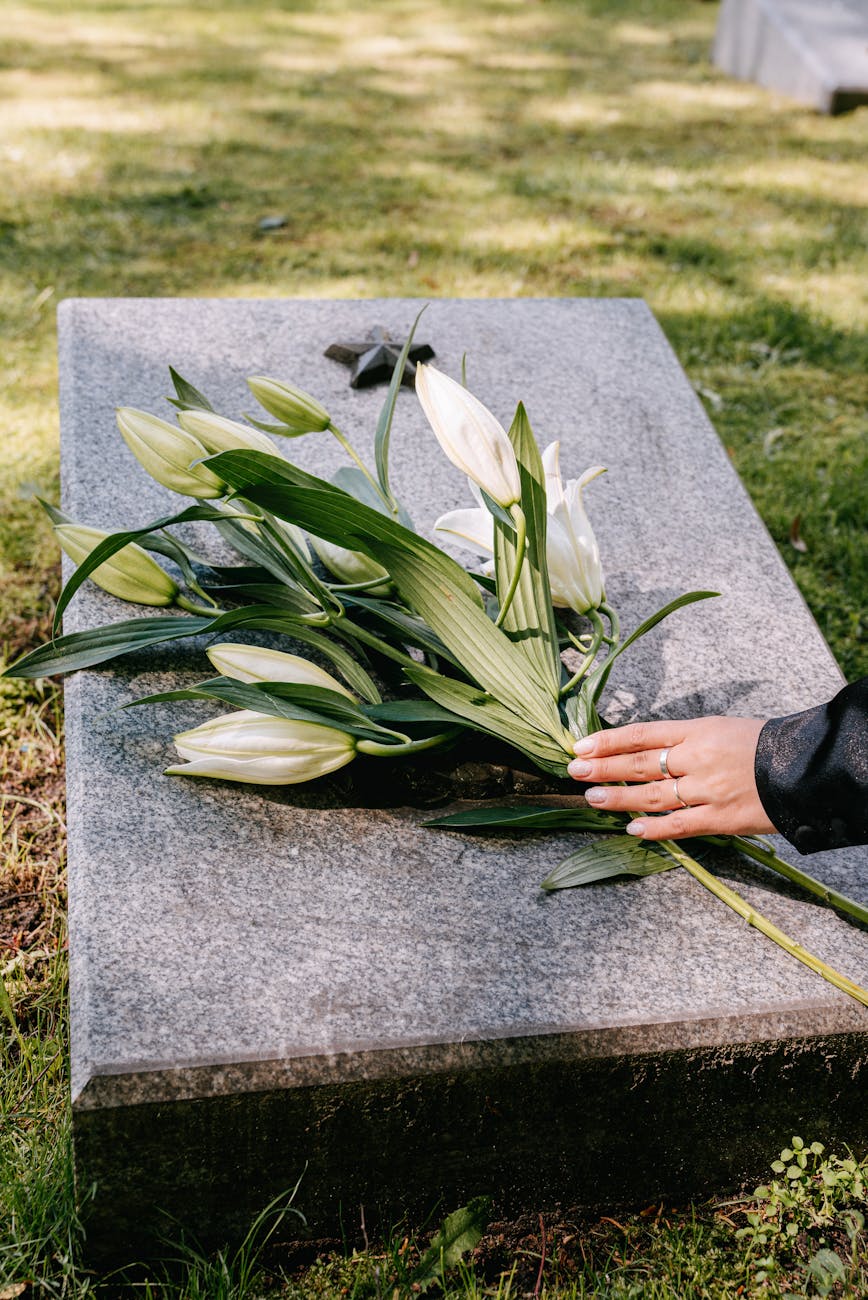
Death is the one experience every human being shares and no one can fully describe. It waits at the end of every story, untouched by wealth, untouched by intelligence, untouched by ambition. For thousands of years, people have tried to imagine it, explain it, fear it, romanticize it, and survive it. Religions have built entire cosmologies around it. Philosophers have spent lifetimes debating whether it should terrify us or liberate us. Scientists study the body’s final moments with precision, while poets approach death like a dark ocean no language can fully cross.
Yet despite all of this attention, the question remains strangely intimate.
What does it actually feel like to die?
No living person can answer with complete certainty because death, by definition, is the point beyond return. But people who have come close — survivors of cardiac arrest, traumatic injuries, drowning, severe illness, and near-fatal accidents — often describe experiences that echo one another in startling ways. Some speak of calm. Others describe confusion, detachment, fear, or acceptance. Many report a sense of drifting away from the body, losing track of time, or feeling an overwhelming stillness.
Science can explain some of these sensations. Biology can map what happens as oxygen fades and brain activity changes. Psychology can explain how perception alters under extreme stress. But even after all the measurements, scans, and medical observations, there remains something profoundly mysterious about the final threshold between consciousness and silence.
This article is not an attempt to solve death. No article can do that. Instead, it is an exploration of what human beings have reported, imagined, feared, and felt when approaching the edge of life. It is about the body, the mind, memory, emotion, and the strange way mortality shapes how we live long before we die.
The Body’s Slow Goodbye
Most people imagine death as a dramatic instant: a final breath, a stopped heart, a sudden darkness. In reality, dying is often a process rather than a single moment.
The body usually shuts down gradually.
As death approaches, energy begins to fade. The body prioritizes essential functions, conserving what little strength remains. Hands and feet may grow colder as circulation slows. Breathing changes rhythm. Appetite disappears. Sleep deepens. Awareness drifts in and out.
Hospice nurses and palliative care doctors often describe dying not as a violent struggle but as a gradual loosening. The body becomes less attached to the world around it. Conversation becomes difficult. Time becomes blurry. People often spend more time inward than outward.
Many dying individuals report hearing even after they can no longer respond. Families sometimes sit beside loved ones believing they are unconscious, only to discover later that they could still perceive voices, touch, or music. The final senses to disappear may not be what we expect.
There is also a remarkable change in perception. The urgency of ordinary life begins to dissolve. Bills, deadlines, arguments, social status — things that once felt massive can suddenly appear distant and meaningless. Many people nearing death speak less about achievements and more about relationships, memories, forgiveness, or unfinished emotional truths.
It is as though the mind begins reorganizing reality around what mattered most all along.
The Experience of Near-Death
One of the most fascinating sources of insight into dying comes from near-death experiences, often called NDEs.
These experiences are reported by people who were clinically close to death or temporarily declared dead before being revived. Although cultures and interpretations vary, certain themes appear repeatedly across countries, religions, and age groups.
Some people describe floating above their bodies, observing doctors or loved ones from outside themselves. Others report moving through darkness toward light. Many describe overwhelming peace. Some speak of encountering deceased relatives, spiritual beings, or vivid memories from their lives.
Not every experience is comforting. Some people describe terror, isolation, or emotional emptiness. But a surprising number describe the experience as deeply calm.
One reason these stories fascinate people is because they challenge ordinary assumptions about consciousness. How can the mind generate vivid experiences during moments when brain activity is severely compromised? Neuroscientists propose explanations involving oxygen deprivation, chemical surges, disordered sensory processing, and altered states of awareness. These theories explain parts of the experience, but not always the emotional intensity people report.
What matters, regardless of interpretation, is that many survivors return profoundly changed.
People who experience near-death events often lose some fear of dying afterward. They may become less materialistic, more compassionate, more emotionally open, or more focused on meaning than achievement. Some describe feeling as though they briefly stepped outside the normal structure of life and returned with different priorities.
Whether these experiences are neurological, spiritual, psychological, or some combination of all three remains deeply debated.
But they reveal something important:
The human mind does not always meet death with panic.
Sometimes it meets it with surrender.
Fear Before Death vs. Death Itself
One of the strangest truths about dying is that people often fear it far more beforehand than during the actual process.
Fear of death is woven into human consciousness. It influences politics, religion, art, war, medicine, and personal ambition. Entire civilizations are shaped by the awareness that life ends.
But the anticipation of death and the experience of dying may not feel the same.
In emergencies, many survivors report that fear vanishes once survival becomes uncertain. Time slows. The brain narrows its focus. Thought becomes strangely clear or strangely detached.
Some people describe profound calm during moments when they expected terror.
This may partly be biological. Under extreme stress, the brain releases chemicals that can numb pain and alter emotional perception. Adrenaline sharpens awareness while other neurochemical changes can create feelings of unreality or peace.
Psychologically, the mind may also protect itself.
Human consciousness has remarkable ways of softening unbearable realities. Shock can create emotional distance. Dissociation can make events feel dreamlike. The mind sometimes loosens its grip on ordinary perception when reality becomes overwhelming.
There is also evidence that acceptance changes the experience of dying dramatically.
People who have terminal illnesses often move through emotional stages: denial, anger, bargaining, depression, and acceptance. Though not everyone follows the same path, many eventually reach a quieter emotional state. Death stops feeling like an intruder and begins feeling like an inevitability.
This does not mean they want to die.
It means the fight against reality becomes exhausting.
And once the struggle softens, fear sometimes softens too.
The Brain at the Edge
Scientifically speaking, dying is an extraordinary neurological event.
The brain is one of the most energy-demanding organs in the body. It relies constantly on oxygen and blood flow. When circulation stops, brain function changes rapidly.
Within seconds of cardiac arrest, consciousness disappears.
But recent studies suggest the brain may remain surprisingly active for brief periods after the heart stops. Some researchers have observed surges of electrical activity associated with awareness, memory, and perception during the early stages of death.
This has led to fascinating questions.
Could the vivid experiences reported during near-death states be connected to these final bursts of activity? Could the brain, under extreme conditions, generate intensely meaningful experiences as systems collapse?
No one fully knows.
What is clear is that consciousness near death does not always fade instantly into blankness. The process may involve shifting states of awareness, memory activation, dreamlike imagery, and altered perception.
Some scientists compare parts of the dying process to dreaming.
Others compare it to psychedelic states.
Both involve changes in sensory integration, identity, emotion, and time perception. Under certain neurological conditions, the boundary between self and world can weaken dramatically.
This may help explain why some dying people report feeling connected to everything around them.
Others describe reliving memories in rapid succession.
Some feel detached from their bodies altogether.
The brain, even in its final moments, may still be trying to construct meaning.
Pain, Peace, and the Myth of Constant Suffering
Many people fear dying because they imagine unbearable pain.
And certainly, some deaths involve suffering, especially without proper medical care. Severe trauma, disease, or injury can produce intense physical distress.
But modern palliative medicine has transformed many end-of-life experiences.
Hospice care focuses not on curing illness but on comfort, dignity, and emotional peace. Pain management has become dramatically more effective. Many dying individuals receive medications that ease physical suffering, anxiety, and agitation.
As a result, countless people die more peacefully than society tends to imagine.
There is also a misconception that the final moment itself is necessarily painful.
Often, the body becomes less responsive as systems fail. Awareness fades gradually. Fatigue deepens. Consciousness narrows.
In some cases, people appear to drift into sleep-like states before death.
Families sitting beside dying loved ones frequently describe the experience as quiet rather than violent.
The greater suffering is sometimes emotional rather than physical.
The grief of leaving loved ones.
The sadness of unfinished time.
The awareness that ordinary experiences — sunlight through a window, laughter at dinner, music in the background, the feeling of rain, a familiar voice — are slipping away forever.
For many people, dying is not frightening because of pain.
It is frightening because of separation.
The Emotional Landscape of Dying
If death has a texture, it may be emotional more than physical.
People approaching death often speak about relationships with astonishing clarity.
Old resentments lose importance.
Love becomes central.
Many dying individuals want reconciliation more than achievement. They want presence more than possessions. They want honesty more than performance.
This emotional narrowing reveals something uncomfortable about ordinary life.
We spend enormous amounts of time pretending permanence exists.
We postpone conversations.
We delay affection.
We assume there will always be more time.
Death interrupts that illusion.
Psychologists who study mortality often observe that awareness of death changes behavior. Some people become anxious or defensive. Others become more compassionate, grateful, or purposeful.
Mortality acts like a mirror.
It reveals what matters when distraction falls away.
That is partly why encounters with death can permanently transform people. Survivors of serious illness or near-fatal accidents often report feeling more awake afterward. Colors seem brighter. Relationships feel more valuable. Time feels less disposable.
The possibility of death sharpens life.
In that sense, dying affects us long before it actually happens.
Religious and Spiritual Interpretations
Nearly every culture has tried to answer what happens at death.
Some traditions describe an afterlife.
Others describe reincarnation.
Some view death as a transition, others as liberation, judgment, reunion, or return.
Religious interpretations deeply influence how people experience dying.
Someone who believes death leads to eternal peace may approach it differently than someone who sees it as annihilation. Cultural narratives shape emotional expectation.
But even among deeply religious individuals, uncertainty remains.
Faith often coexists with fear.
The unknown remains unknown.
Interestingly, near-death experiences frequently reflect personal beliefs while also transcending them. Christians may perceive angels or heavenly imagery. Hindus may encounter figures connected to their traditions. Others experience something entirely abstract — light, presence, silence, or profound unity.
This suggests the dying mind may interpret extraordinary experiences through familiar symbolic language.
Or perhaps human beings simply reach for meaning using the stories available to them.
Either way, spirituality often becomes more important near death.
Not necessarily organized religion, but questions of meaning.
Why did I live?
Did I love well?
Was my suffering meaningful?
What remains after me?
Even people who never considered themselves spiritual sometimes become reflective in their final days.
Death has a way of stripping life down to its essential questions.
What Witnesses Notice
People who sit beside the dying often describe experiences that feel difficult to explain.
Some dying individuals begin speaking to unseen people shortly before death. Others appear to revisit old memories vividly. Some become unexpectedly lucid after long periods of confusion.
Hospice workers sometimes refer to these moments as part of the natural dying process.
Whether neurological, psychological, or spiritual, they occur often enough to be widely documented.
There are also moments of extraordinary emotional clarity.
A person who struggled for years to express affection may suddenly say exactly what needs to be said.
Someone consumed by anxiety may become peaceful.
Someone silent for days may wake briefly, recognize loved ones, and then slip away.
Witnesses often remember these moments for the rest of their lives.
Not because they solve death, but because they reveal something deeply human beneath it.
At the edge of existence, performance disappears.
People become startlingly honest.
The Silence After Consciousness
Perhaps the hardest part of thinking about death is imagining nonexistence.
Human consciousness resists the idea instinctively.
We can imagine darkness.
We can imagine sleep.
We can imagine floating in emptiness.
But true absence — the total end of subjective experience — is almost impossible to picture because imagination itself requires awareness.
This creates a paradox.
The mind trying to imagine its own absence is like an eye trying to see itself without reflection.
Some philosophers argue that death should not be feared because we will not experience being dead. Others argue that the loss of future experience is itself tragic.
Both perspectives contain truth.
Death may not feel like anything after consciousness ends.
But the approach to death — the realization of impermanence — profoundly shapes human emotion.
The awareness that every conversation could someday be the last gives weight to ordinary moments.
Mortality is painful precisely because life matters.
Why Humans Keep Asking
People rarely ask what dying feels like out of simple curiosity.
Usually, the question hides something deeper.
Fear.
Grief.
Wonder.
Love.
The desire for reassurance.
The hope that death is peaceful.
Or perhaps the hope that consciousness continues in some form we cannot yet understand.
Human beings are storytelling creatures, and death is the one story we cannot finish ourselves.
So we gather fragments.
Medical observations.
Philosophy.
Religious teachings.
Near-death experiences.
Poetry.
Last words.
Scientific data.
And we try to build understanding from incomplete pieces.
Yet maybe the deeper value of this question is not what it reveals about death.
Maybe it reveals what we most value about life.
Because when people imagine dying, they almost never think first about money or status.
They think about people.
They think about moments.
They think about love.
A Final Thought
No one can describe death with complete authority.
The closest we have are observations from medicine, stories from survivors, and reflections from those who stood near the edge and returned.
What emerges from all of them is not a single universal experience, but a pattern:
Dying appears to involve both biological shutdown and profound psychological transformation.
Fear may be present.
Pain may be present.
But so can calm.
So can acceptance.
So can peace.
And perhaps the most striking truth is this:
The closer many people come to death, the clearer life becomes.
The ordinary moments we ignore every day begin to shine with unbearable importance.
A conversation.
A hand held in silence.
A familiar song.
The warmth of sunlight.
The sound of someone laughing in another room.
Death does not merely end life.
It reveals its fragility.
And fragility is what gives life meaning.
We care because it ends.
We love because time is limited.
We remember because moments disappear.
Perhaps that is why humanity has spent centuries trying to understand death.
Not only because we fear losing life, but because confronting death teaches us how deeply alive we already are.
Leave a Reply