Ticking Clocks and Taboo Topics: Why We Still Hide What We Enjoy
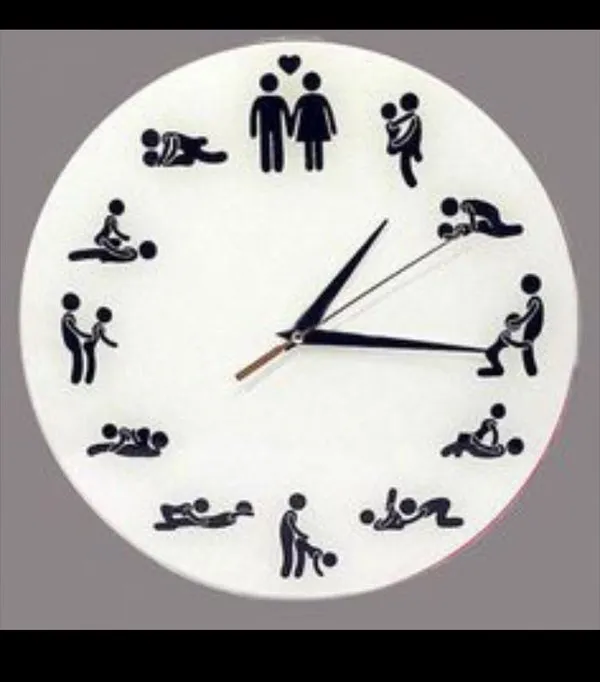
A curious phenomenon plays out on social media with the regularity of, well, a clock. A seller posts a product for sale: a stylish, modern wall clock. But this is no ordinary timepiece. Its face is cleverly designed with a subtle, yet unmistakably risqué motif—an artistic representation of a sexual act.
The seller’s caption is telling: “y’all are funny. Every time I post this clock for sale, people express ‘shock’ but it’s sold out TWICE.”
The reaction in the comments is a study in modern contradiction. Publicly, users post pearl-clutching emojis, cries of “scandalous!”, and performative disbelief. Yet privately, in the quiet of their direct messages and online shopping carts, they are snapping up the clock so fast it becomes the hottest item in the store. Not once, but twice.
This delightful little drama raises a profound and puzzling question: Why do so many people in the 21st century, an era of unprecedented openness, still struggle to admit they own and enjoy sex-related objects?
The answer lies at the intersection of deep-seated psychology, enduring social stigma, and the unique nature of our online personas.

1. The Weight of Social Stigma and the “Ideal Self”
Despite the prevalence of sexual content in media, a powerful stigma still surrounds the open purchase and ownership of sexual wellness products. This stigma is a relic of centuries of cultural and religious doctrine that framed sexuality, particularly outside of strict procreation, as something shameful or sinful.
This creates a disconnect between our private and public selves:
- The Private Self: This is the individual who enjoys a healthy, curious, and fun relationship with their own sexuality. They see a clever, artistic clock and think, “That’s hilarious and stylish. I want that for my bedroom.”
- The Public Self (or “The Performed Self”): This is the version we present to the world, especially on social media. This self is often curated to fit into a perceived ideal of respectability. Admitting to owning a sex-themed object feels, to many, like a threat to that carefully constructed image. It’s easier to publicly perform “shock” to signal to one’s social group, “I am like you; I also uphold these norms of propriety.”
2. The Fear of Being Judged
Closely tied to stigma is the deep-seated fear of judgment. People worry about what their followers, family, coworkers, or friends might think.
- “Will people think I’m a pervert?”
- “Will my boss see this and think I’m unprofessional?”
- “Will my conservative aunt disown me?”
Publicly commenting “OMG how inappropriate!” is a safe, low-effort way to avoid any potential judgment. It’s a social shield. Clicking “buy now” requires no such performance. Anonymity is the armor that allows our private desires to flourish safely away from the public eye.
3. The Online Disinhibition Effect… But Only One Way
Psychologists talk about the “online disinhibition effect,” where people feel freer to act out or express themselves online in ways they wouldn’t in person. However, this effect is paradoxical. It famously leads to trolling and aggressive behavior, but it can also work in reverse for topics deemed taboo.
The anonymity of the internet doesn’t always liberate; sometimes it just shifts the pressure. People feel more inhibited about attaching their real name and face to a sexually charged purchase because the digital footprint is permanent. The disinhibition instead fuels the performative criticism—it’s easier to type a mocking comment than it is to say it to someone’s face in a store.
4. The Difference Between Consumption and Endorsement
Many people are comfortable consuming sexual content or products in private but draw a line at publicly endorsing them. Buying the clock is a private act of enjoyment. Liking the post, commenting in support, or sharing it is a public declaration that becomes part of their digital identity. For many, the latter is a bridge too far. They want the product, not the public affiliation with it.
The Takeaway: Normalize, Don’t Moralize
The story of the best-selling “shocking” clock is ultimately a hopeful one. It tells us that behind the facade of public denial, private acceptance and curiosity are thriving. The product sells out. That is the most important data point.
The lesson isn’t to force everyone to announce their purchases from the rooftops. Privacy is a right and a comfort. The goal is to collectively chip away at the unnecessary stigma that creates this contradiction in the first place.
Perhaps the next time someone posts that clock, instead of a comment feigning shock, the response could be a simple, honest, and empowering like. Or better yet, a comment that says, “That’s a fantastic piece of art. Glad it’s selling so well.”
It’s a small step toward acknowledging that owning a clever, sex-related object doesn’t define your character—but being honest about human nature just might.

Leave a Reply to RoderickCancel reply