Iceland’s biggest stories today are dominated by the government’s plan to end commercial whaling, continuing political debate following the country’s EU referendum, and renewed diplomatic attention involving the United States.
Iceland plans permanent ban on commercial whaling
The Icelandic government says it intends to introduce legislation in February 2027 for a permanent ban on commercial whaling, a potentially historic change for the country.
Iceland is currently one of only three countries that have continued commercial whaling in recent years, alongside Norway and Japan. The government says there is significant political and public support for ending the practice.
The announcement comes while Iceland’s current whaling season is still under way. According to figures reported on September 9, 80 fin whales had been caught out of a quota of 150 for this year’s season.
The issue has generated controversy in Iceland for years, with environmental and animal-welfare organisations opposing the hunts while supporters of the industry argue that whaling remains a legitimate part of Iceland’s fishing tradition and commercial activity.
The proposed legislation could ultimately leave Norway and Japan as the only countries continuing commercial whaling if Iceland’s parliament approves the ban.
Iceland’s EU debate continues after referendum defeat
The country’s political debate over relations with the European Union remains significant following the August 29 referendum, in which voters rejected continuing negotiations over EU membership.
The result was relatively close, with 52.8 percent voting against reopening the negotiations. Iceland is already closely integrated with Europe through the European Economic Area and the Schengen Area, but the question of full EU membership has remained politically sensitive, particularly because of concerns about fisheries and national sovereignty.
The referendum result means Iceland will maintain its existing relationship with the EU rather than immediately returning to membership negotiations.
Fishing remains one of the most important issues behind the country’s cautious approach to EU membership. Icelandic control over its fishing resources has historically been considered a crucial national interest.
Iceland-US relations remain under scrutiny
Diplomatic relations between Iceland and the United States have also attracted attention this week after Iceland summoned the U.S. ambassador over an image posted by Donald Trump showing Iceland and several other territories under an American flag.
Icelandic Foreign Minister Þorgerður Katrín Gunnarsdóttir described the social-media post as “completely inappropriate.” The U.S. ambassador to Iceland, Billy Long, was summoned following the publication of the image.
The incident has revived sensitivities surrounding U.S. interest in the North Atlantic and Arctic region. Iceland is strategically important because of its location between North America and Europe and its position within the North Atlantic security architecture.
The diplomatic episode also comes amid broader tensions surrounding U.S. statements about Greenland and Arctic security.
Whaling debate intersects with Iceland’s tourism image
The proposed whaling ban is also significant for Iceland’s tourism industry.
Whale watching has become a major attraction for international visitors, with thousands of tourists taking boat trips from Reykjavík and other coastal locations to see humpback whales, minke whales, fin whales and occasionally blue whales.
Recent reporting has highlighted the contrast between Iceland’s whale-watching industry and its commercial whaling sector. Whale watching has developed into an important component of Iceland’s nature-tourism economy, while commercial whaling has attracted criticism from environmental organisations and some tourism interests.
The debate is therefore no longer simply about fishing policy. It increasingly involves Iceland’s international image as a nature and wildlife destination.
Iceland remains closely watched because of its Arctic position
Iceland’s strategic importance continues to grow as governments across Europe and North America pay greater attention to Arctic security.
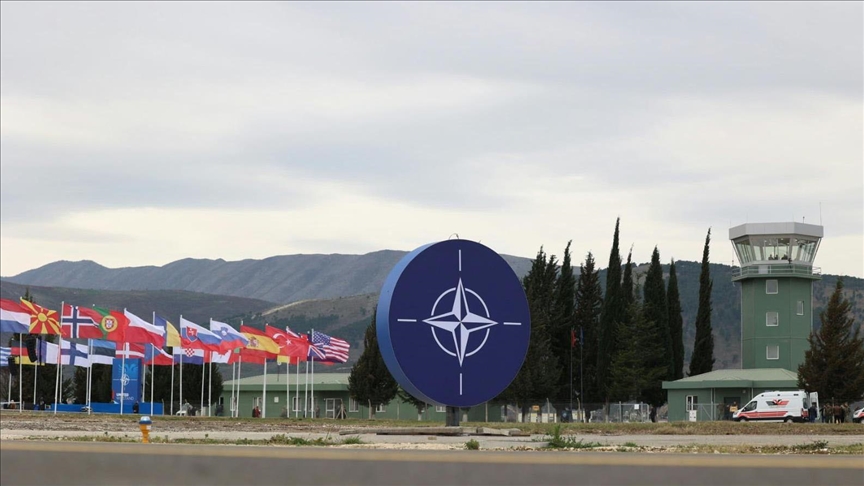
The country’s location makes it important to NATO’s North Atlantic security arrangements, while the surrounding waters are significant for maritime transportation, communications infrastructure and military surveillance.
Recent disputes involving Greenland, the United States and European security have consequently increased international attention on Iceland.
For Reykjavík, maintaining strong relationships with European neighbours, the United States and NATO remains an important part of its foreign-policy strategy.
Iceland’s economy continues to balance tourism and natural resources
Tourism remains one of the most visible pillars of Iceland’s economy, while fisheries, renewable energy and other natural-resource industries remain important sources of economic activity.
The latest whaling debate illustrates the increasingly complicated relationship between Iceland’s traditional resource-based industries and its modern tourism economy.
International visitors are attracted to Iceland’s landscapes, volcanoes, glaciers, waterfalls and wildlife. As a result, environmental policy increasingly has economic implications beyond conservation itself.
The government therefore faces a broader question over how Iceland wants to present itself internationally: as a country that continues traditional commercial exploitation of marine resources or one that increasingly prioritises conservation and nature-based tourism.
Iceland’s international profile remains unusually prominent
Despite its small population, Iceland continues to attract considerable international attention because of its geographical position, renewable-energy resources, fisheries, tourism industry and role in Arctic and North Atlantic security.
The country’s recent referendum on EU negotiations, its dispute with the United States over the controversial map, and the government’s proposed whaling ban have all placed Iceland in the international spotlight within a relatively short period.
Iceland’s biggest stories today
The most significant developments are the government’s plan to permanently ban commercial whaling, the continuing political consequences of the EU referendum, and heightened diplomatic attention surrounding Iceland’s relationship with the United States.
The proposed whaling ban is arguably the most consequential domestic development today because it could fundamentally change Iceland’s position on commercial whaling and leave the country aligned with most of the international community on the issue.
Leave a Reply