China’s biggest stories today revolve around politics, economic resilience, military anti-corruption campaigns, industrial safety concerns, global diplomacy, trade expansion, and technological competition with the United States.
Reports from major Chinese and international outlets including People’s Daily Online, Xinhua News Agency, Global Times, and South China Morning Post show a country balancing economic growth ambitions with tightening political discipline and intensifying geopolitical competition.
China’s Foreign Trade Posts Strong Growth
One of the most important economic stories today is the sharp rise in China’s foreign trade figures for April 2026. According to data highlighted by Xinhua News Agency, China’s imports and exports in yuan-denominated terms increased by 14.2 percent year-on-year in April, reaching approximately 4.38 trillion yuan. During the first four months of 2026, total foreign trade climbed to 16.23 trillion yuan, up nearly 15 percent from the same period last year. (Xinhua News)
The numbers are being celebrated across Chinese state media as proof that the Chinese economy remains resilient despite global trade tensions, slower growth in parts of Europe, and continuing strategic rivalry with the United States.
Officials also emphasized the growing importance of the China-Europe Railway Express network. Freight rail services connecting Chinese industrial hubs with European cities have now surpassed 130,000 trips in total. The rail system reportedly links 129 Chinese cities to more than 235 cities across Europe and Asia, reinforcing Beijing’s Belt and Road trade ambitions. (Xinhua News)
Economic analysts quoted in Chinese publications argue that infrastructure investments, export manufacturing, and diversified trading partnerships are helping China withstand external pressure. The trade growth also comes as Beijing continues expanding commerce with developing economies in Africa, Central Asia, and Southeast Asia.
Former Chinese Defense Ministers Sentenced in Major Corruption Crackdown
China’s anti-corruption campaign inside the military has reached another dramatic stage. Former defense ministers Wei Fenghe and Li Shangfu have both been sentenced to death with a two-year reprieve on corruption charges. (Reuters)
The sentences are among the harshest punishments issued against senior military figures during the leadership of Xi Jinping. Chinese authorities accused the former ministers of accepting large bribes and abusing political power for personal gain.
Under China’s legal system, a death sentence with reprieve is usually commuted to life imprisonment if the convicted individual avoids further crimes during the suspension period. Nevertheless, the symbolic impact of the ruling is enormous.
Observers say the case demonstrates Xi Jinping’s determination to maintain strict political control over the military while eliminating corruption within the People’s Liberation Army. Reports indicate that more than 100 senior military officials and defense executives have been investigated, removed, or disappeared from public view in recent years. (The Guardian)
The purge has particularly affected the Rocket Force and procurement systems tied to advanced military technology. Analysts outside China suggest the crackdown may improve discipline but could also create instability within military leadership structures.
Deadly Fireworks Factory Explosion Sparks National Concern
China is still dealing with the aftermath of a catastrophic explosion at a fireworks factory in Liuyang, Hunan Province. The blast killed more than 20 people and injured dozens of others. Authorities have detained company officials while investigations continue into the cause of the disaster. (Global Times)
The explosion occurred at the Huasheng Fireworks Manufacturing and Display Company, located in a region widely known as China’s fireworks production center. Rescue teams involving over 1,500 personnel, drones, and emergency robots were reportedly deployed after the explosion flattened nearby structures and triggered fears of additional detonations. (Reuters)
President Xi Jinping ordered a full investigation and called for stronger industrial safety enforcement nationwide. Local governments in the area have suspended fireworks production pending safety inspections.
The incident has renewed debates inside China about industrial regulation, workplace safety standards, and enforcement gaps in hazardous manufacturing sectors. Similar accidents in chemical and fireworks industries have occurred repeatedly over the last decade, despite tighter official oversight.
China-Russia Relations Continue to Deepen
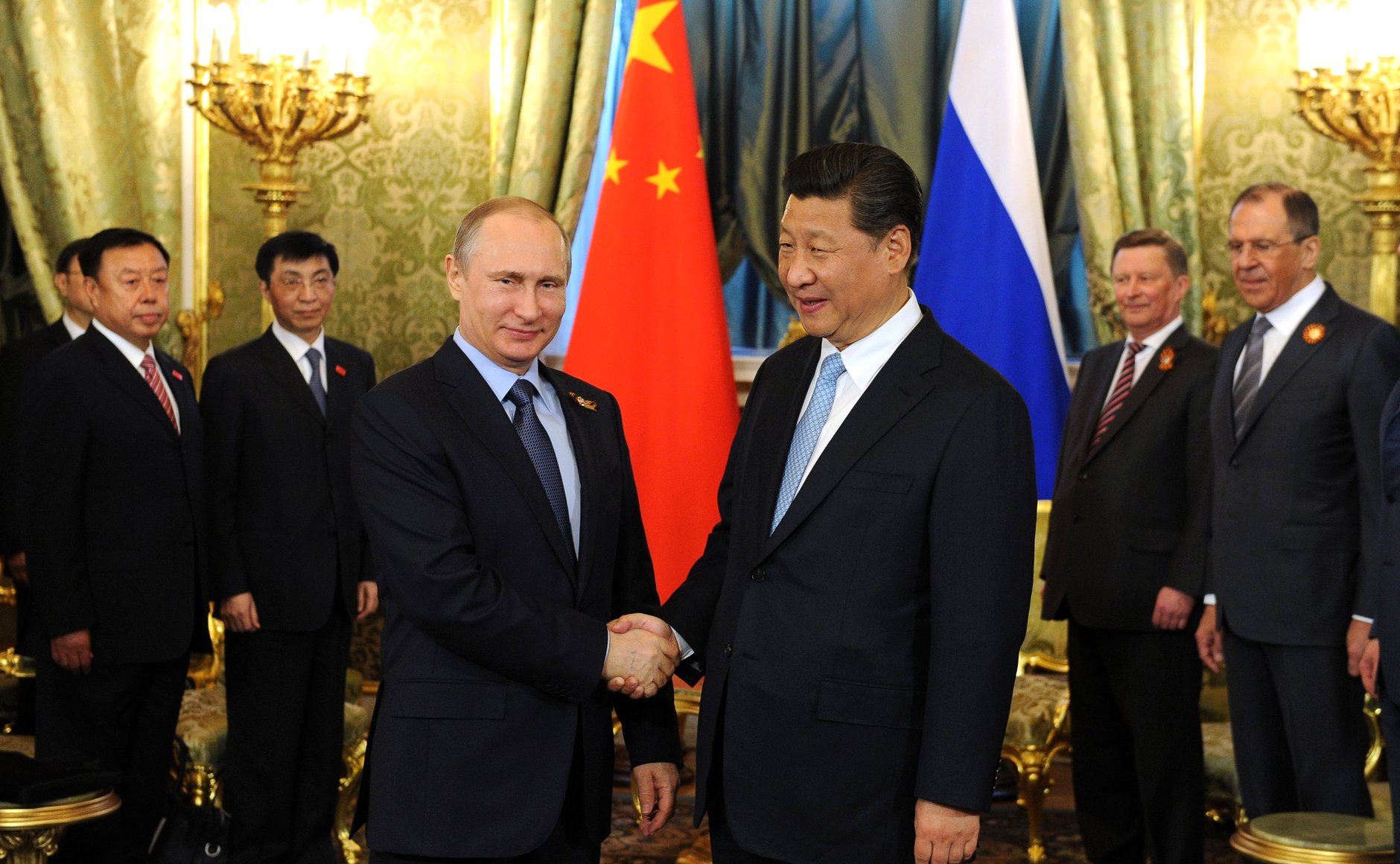
Relations between China and Russia remain a major focus in Chinese newspapers today. Coverage from Global Times highlighted comments by Russian President Vladimir Putin describing China-Russia cooperation as a “pillar of global stability.” (Global Times)
The remarks came during Russia’s Victory Day commemorations marking the anniversary of the Soviet Union’s victory in World War II. Chinese media emphasized growing political coordination between Beijing and Moscow amid what both countries describe as increasing Western unilateralism.
Chinese outlets also highlighted military parades in Moscow and expanding strategic cooperation between the two powers. Analysts quoted in Chinese publications argue that deeper coordination with Russia helps China counter geopolitical pressure from the United States and its allies.
At the same time, Western analysts continue to monitor the relationship closely, especially regarding energy cooperation, technology exchange, and military coordination.
China Intensifies AI and Technology Competition
Artificial intelligence and advanced technology remain dominant themes in Chinese science and business reporting. Coverage from South China Morning Post highlighted several stories about China’s push to gain advantages in AI development and semiconductor technologies. (South China Morning Post)
One widely discussed report involved Chinese scientists experimenting with copper-diamond composite materials to improve heat dissipation in advanced computing systems. Researchers believe overheating remains one of the biggest limitations in high-performance AI chips, and improved cooling technologies could help China overcome barriers in AI hardware development. (South China Morning Post)
Another topic receiving attention is China’s effort to develop AI carbon-accounting systems capable of measuring environmental impacts from computing infrastructure. Chinese commentators argue such technologies could strengthen Beijing’s position in global climate discussions while supporting domestic industrial planning.
Meanwhile, tensions with the United States over technology transfers, semiconductor restrictions, and AI competition continue to shape policy discussions. American lawmakers have repeatedly accused China of acquiring sensitive technologies through aggressive industrial policies and alleged intellectual property theft. (South China Morning Post)
Growing Focus on Military Modernization
Chinese military modernization remains another key theme in current news coverage. Reports from Hong Kong and mainland outlets discuss the deployment and testing of China’s new Type 076 amphibious assault ship, sometimes described as a “drone carrier.” (South China Morning Post)
The vessel is expected to support drone warfare operations and amphibious missions, especially in strategically important waters such as the South China Sea. Analysts say the platform reflects Beijing’s increasing emphasis on unmanned systems, naval expansion, and integrated combat technologies.
The development comes as the United States, Japan, and the Philippines continue joint military exercises in nearby waters. Chinese media frequently portray these exercises as efforts to contain China’s regional influence.
At the same time, Chinese defense coverage increasingly emphasizes loyalty to the Communist Party and political discipline within the armed forces following the recent corruption cases involving senior officers.
Vietnam-China Relations Receive Attention
Chinese newspapers are also closely monitoring regional diplomacy, especially relations with neighboring Vietnam. Recent visits by Vietnamese leader To Lam received prominent coverage in state-affiliated outlets. (Global Times)
Chinese media praised expanding railway cooperation and regional connectivity initiatives between the two countries. Reports highlighted the role of high-speed rail and Belt and Road infrastructure projects in strengthening economic ties.
Although China and Vietnam continue to have disagreements over territorial claims in the South China Sea, both governments appear eager to stabilize economic relations amid broader global uncertainty.
Chinese experts quoted in state media say closer cooperation with Southeast Asian nations is essential for regional stability and supply chain resilience.
Tourism and Domestic Consumption Rebound
Another widely reported story involves the strong performance of domestic tourism during China’s recent May Day holiday period. Images published by Chinese media showed crowded beaches, parks, tourist attractions, and transportation hubs across the country. (Global Times)
Officials view rising domestic tourism as an important indicator of consumer confidence and post-pandemic recovery. Popular destinations included Hainan Province, major cultural cities, and mountain tourism areas.
Chinese authorities have been encouraging domestic spending as part of broader economic recovery measures. Increased tourism revenues are especially important for local governments and service industries facing slower property-sector growth.
International Crises Dominate Foreign Coverage
Chinese media outlets are devoting significant attention to international conflicts and global instability. Today’s reporting heavily features tensions involving Iran, the United States, and the Strait of Hormuz. (Global Times)
Chinese newspapers also continue extensive coverage of the humanitarian crisis in Gaza, Russian military commemorations, and global public health concerns linked to a hantavirus outbreak aboard a cruise ship. (Xinhua News)
State-affiliated outlets often frame these international developments as evidence of growing instability in the Western-led global order. Chinese commentary typically promotes multilateral diplomacy, economic cooperation, and opposition to unilateral sanctions or military interventions.
Xi Jinping’s Governance Priorities
Coverage across Chinese newspapers today reflects several recurring themes tied directly to Xi Jinping’s governance agenda:
- Maintaining political loyalty within the Communist Party and military.
- Expanding China’s technological self-reliance.
- Strengthening trade connectivity through rail and infrastructure projects.
- Promoting domestic consumption and economic resilience.
- Expanding China’s global diplomatic influence.
- Increasing industrial safety oversight after major accidents.
Reports also continue emphasizing “high-quality development,” innovation, environmental management, and national security integration across economic planning.
Chinese state media consistently present these priorities as part of a long-term modernization strategy designed to position China as a leading global power during the coming decades.
Conclusion
The top news from China on May 10, 2026 paints a picture of a nation navigating enormous internal and external pressures. Economically, China is celebrating stronger trade growth and expanding international logistics networks. Politically, Xi Jinping’s anti-corruption campaign continues reshaping military leadership with unprecedented severity.
At the same time, the deadly Hunan fireworks explosion has highlighted ongoing industrial safety concerns, while technological competition with the United States remains central to China’s strategic planning.
Diplomatically, Beijing is strengthening ties with Russia and regional partners while carefully managing tensions with Western powers. Chinese newspapers today consistently portray the country as resilient, technologically ambitious, and determined to maintain stability amid what officials describe as a turbulent global environment.
From trade expansion to military reform, from AI development to regional diplomacy, today’s headlines reveal a China seeking to reinforce both domestic control and international influence as it moves deeper into 2026.
Leave a Reply