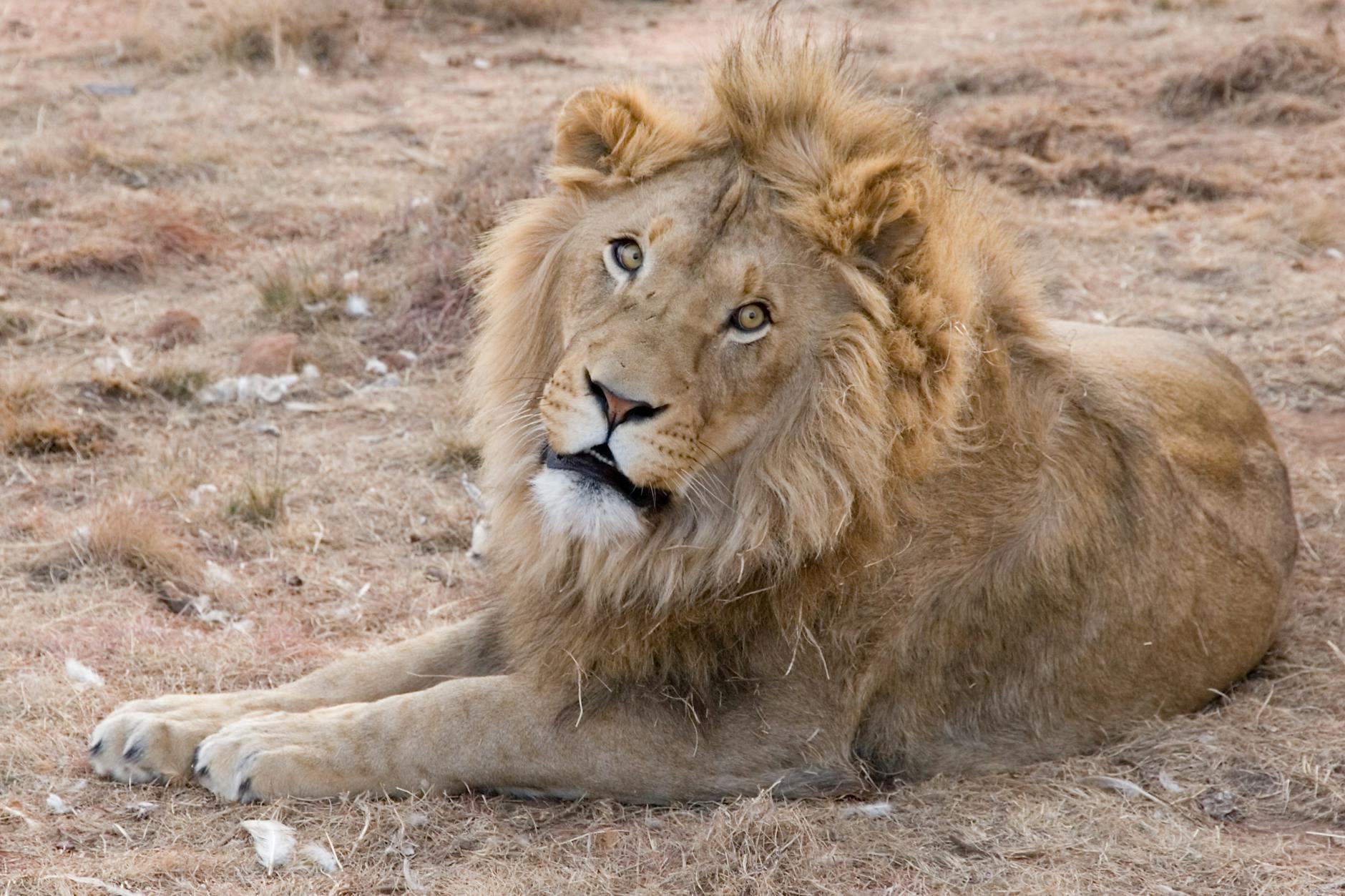
Every year, thousands of people fall victim to the exotic pet trade’s alluring promise of owning something truly unique.
Social media doesn’t help either—viral videos of cuddly kangaroos, tame tigers, or affectionate primates make the exotic seem almost ordinary. But here’s the reality check most of those videos conveniently leave out: wild animals aren’t pets, and even some seemingly innocent domestic choices can turn deadly in an instant.
I’ve spent years researching animal behavior and speaking with exotic veterinarians, zoologists, and emergency room doctors. The consensus is unanimous: certain animals simply do not belong in private homes. Whether because of their unpredictable temperaments, sheer physical power, venomous capabilities, or complex psychological needs that no household can properly meet, these creatures pose genuine threats to their owners, families, neighbors, and anyone who might encounter them.
Before you fall in love with that adorable baby alligator on Instagram or consider purchasing that “friendly” chimpanzee from a roadside breeder, read this list carefully. These ten animals have earned their dangerous reputations through countless hospitalizations, maimings, and deaths. Some might surprise you.
1. Chimpanzees
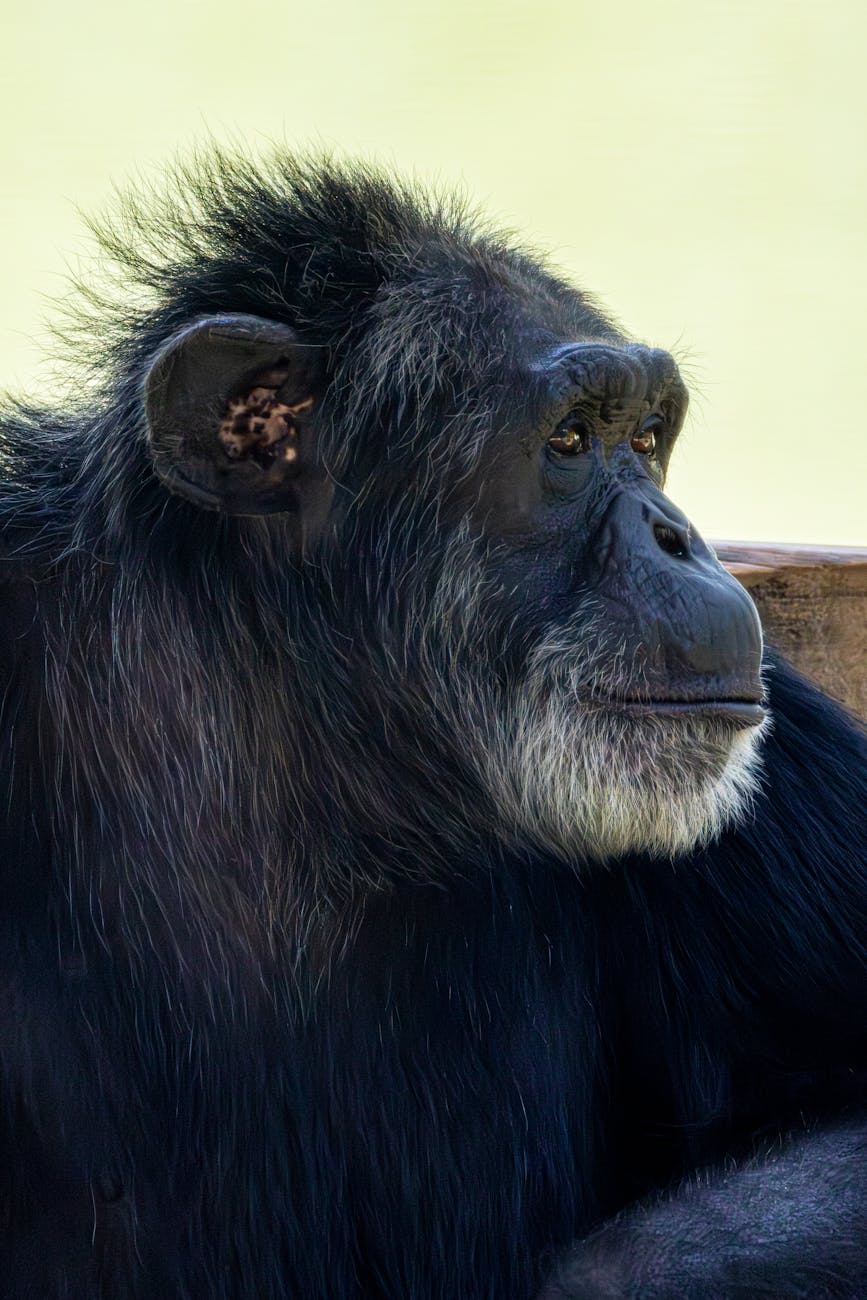
Let’s start with the most heartbreaking entry on this list, because chimpanzees share approximately 98.8% of their DNA with humans. They’re intelligent, emotionally complex, and undeniably fascinating. That’s precisely what makes them so catastrophically dangerous as pets.
The story of Travis the chimpanzee should be required reading for anyone considering a primate pet. For over a decade, Travis lived with his owner in Connecticut, appearing in television commercials, riding in cars, eating at the dinner table, and wearing human clothes. He seemed perfectly domesticated. Then, in 2009, something snapped. Travis brutally attacked his owner’s friend, Charla Nash, removing her hands, nose, lips, and eyelids, and causing catastrophic brain damage. When police arrived, Travis tried to open their car door to continue his assault. They shot him, but the damage was already done.
What Travis’s story illustrates is that chimpanzees are never truly domesticated. Juvenile chimps are playful and manageable, but as they reach sexual maturity around age eight, their testosterone levels surge and their natural dominance behaviors emerge. A full-grown male chimp is five to eight times stronger than a human adult. Their canine teeth are longer than a lion’s. And they have no instinctive inhibition about using that strength and those teeth against humans—in the wild, chimpanzees regularly hunt, kill, and even eat smaller primates.
Beyond the physical danger, keeping a chimp as a pet is profoundly cruel. They live 50-60 years, require complex social structures, and develop severe psychological problems when isolated from their own kind. There’s a reason every major primate sanctuary and animal welfare organization vehemently opposes private chimp ownership.
2. Saltwater Crocodiles and Alligators
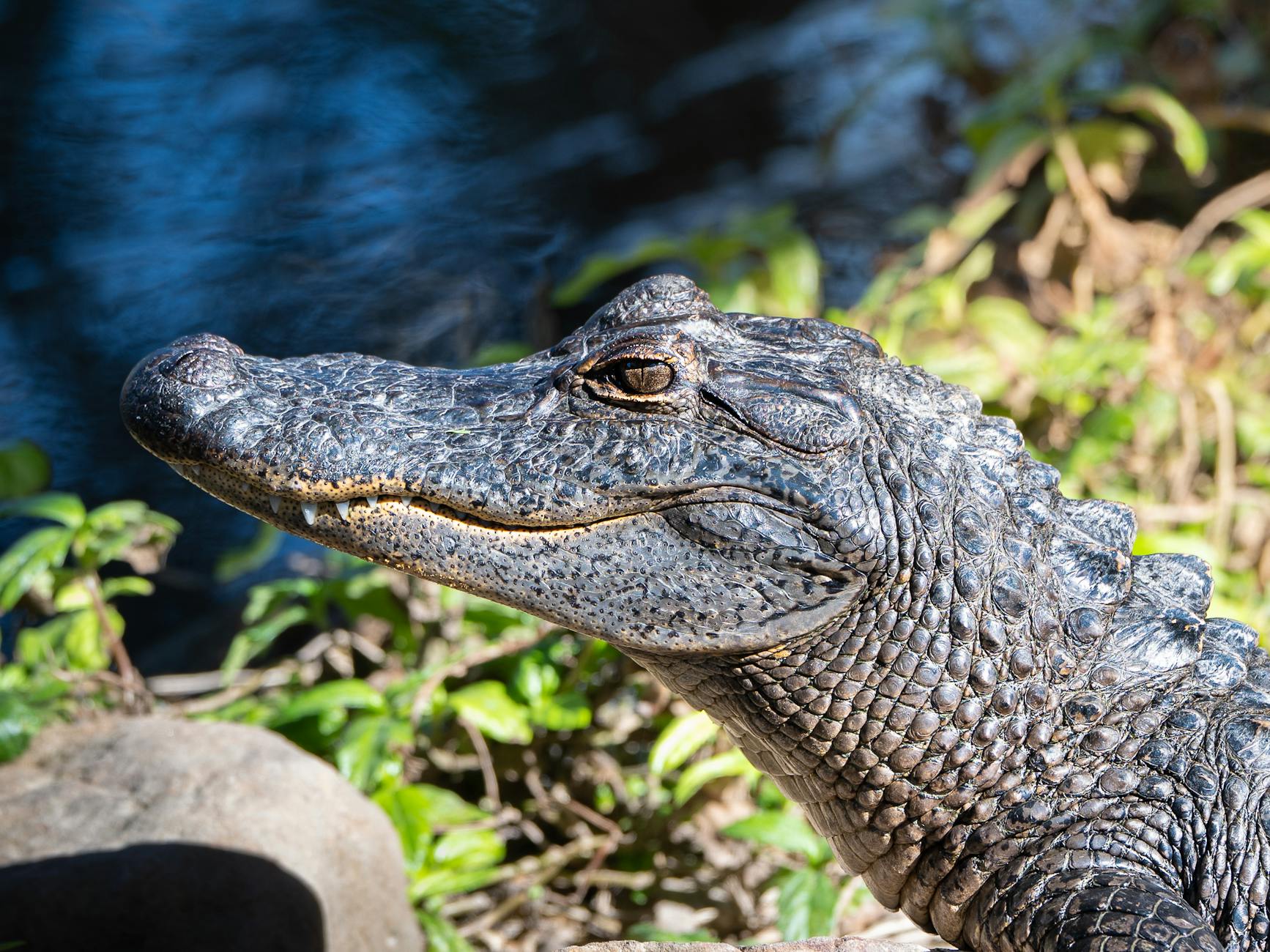
It seems absurd that this even needs to be said, but people do keep crocodilians as pets. In some US states, it’s perfectly legal to own an alligator with nothing more than a basic permit. And every year, someone’s “harmless” pet gator ends up making national news for all the wrong reasons.
The problem starts with baby crocodilians, which are undeniably cute. They’re small, relatively docile, and can be kept in aquariums. Their owners convince themselves that because the animal was raised around humans, it will somehow override 80 million years of evolutionary programming as an apex predator. This is delusional.
A saltwater crocodile has the strongest bite force of any living animal—over 3,700 pounds per square inch. For comparison, a great white shark’s bite is about 4,000 PSI. These animals can hold their breath for over an hour, grow to 20 feet in length, and view anything that moves in their territory as either food or a threat. There is no such thing as a tame crocodile. There are only crocodiles that haven’t decided to kill you yet.
Florida has documented dozens of incidents where pet alligators escaped or were released into the wild by overwhelmed owners. Even when confined properly, these animals have killed their keepers. In 2021, a South Carolina man was found dead inside his own alligator enclosure, killed by an animal he had raised for years. The alligator didn’t malfunction—it behaved exactly as nature intended.
3. Venomous Snakes
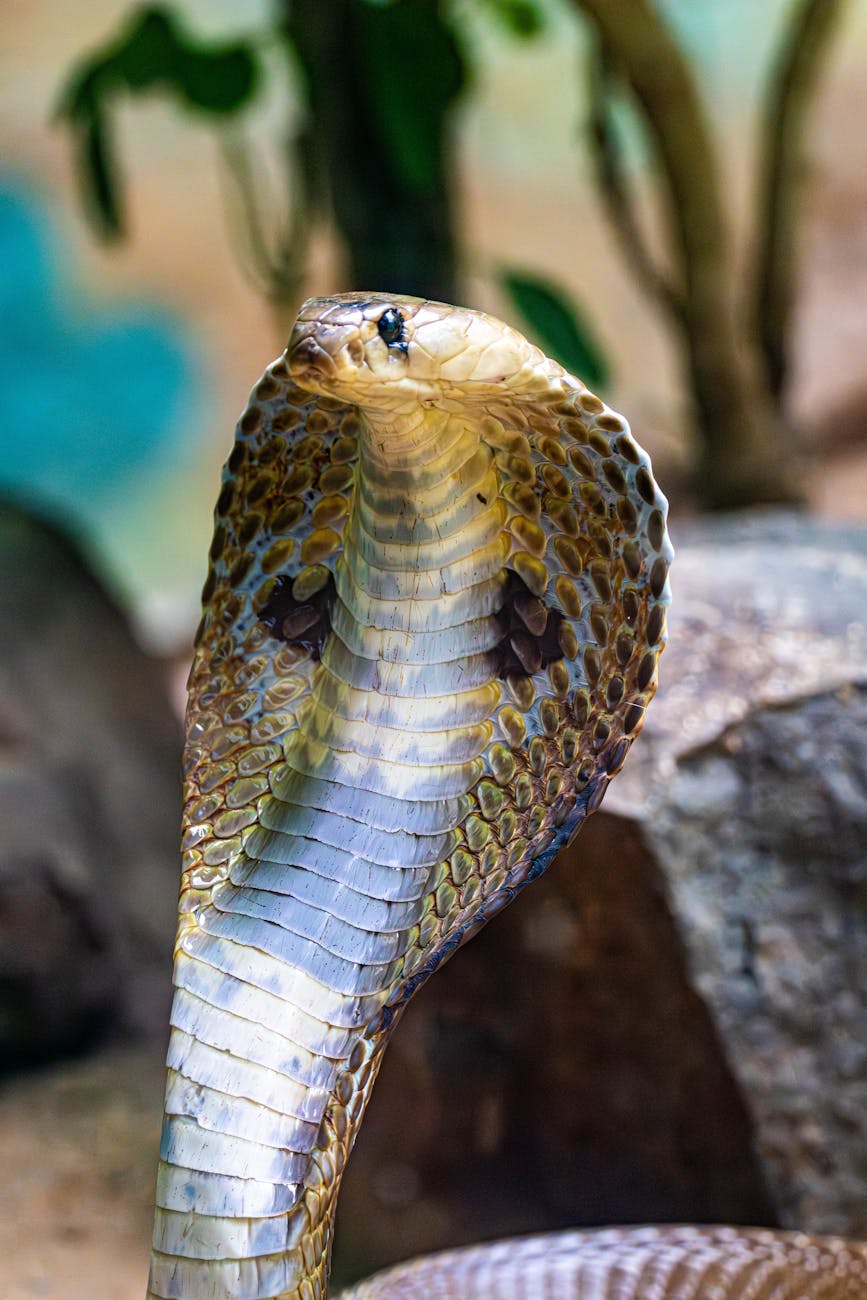
The exotic pet trade has made venomous snakes increasingly accessible to private owners. Cobras, vipers, rattlesnakes, and mambas can be purchased online and shipped to your door in some jurisdictions. What could possibly go wrong?
Everything. Absolutely everything.
The statistics are harrowing. According to the American Association of Poison Control Centers, venomous snakebites from exotic pets have increased dramatically over the past two decades. Even more concerning, antivenom for exotic species is rarely stocked at local hospitals. If you’re bitten by a monocled cobra in Ohio, the nearest antivenom might be at a zoo or specialty facility hours away—if it exists at all. Some exotic snake venoms have no commercially available antivenom in the United States.
Consider the case of a Colorado teenager who was bitten by his pet rattlesnake. Despite rapid medical intervention, he spent weeks in a coma, underwent multiple amputations, and now lives with permanent organ damage. Or consider the New York man who survived his pet cobra’s bite only after hospitals in three states were contacted to locate antivenom.
Even expert herpetologists get bitten. The difference is that professionals have protocols, insurance, and immediate access to medical care designed for envenomation. Private owners typically have none of these things. And then there’s the escape risk—venomous snakes are accomplished escape artists, and finding a lost cobra in your walls or your neighbor’s yard creates a public safety crisis.
4. Large Constrictor Snakes
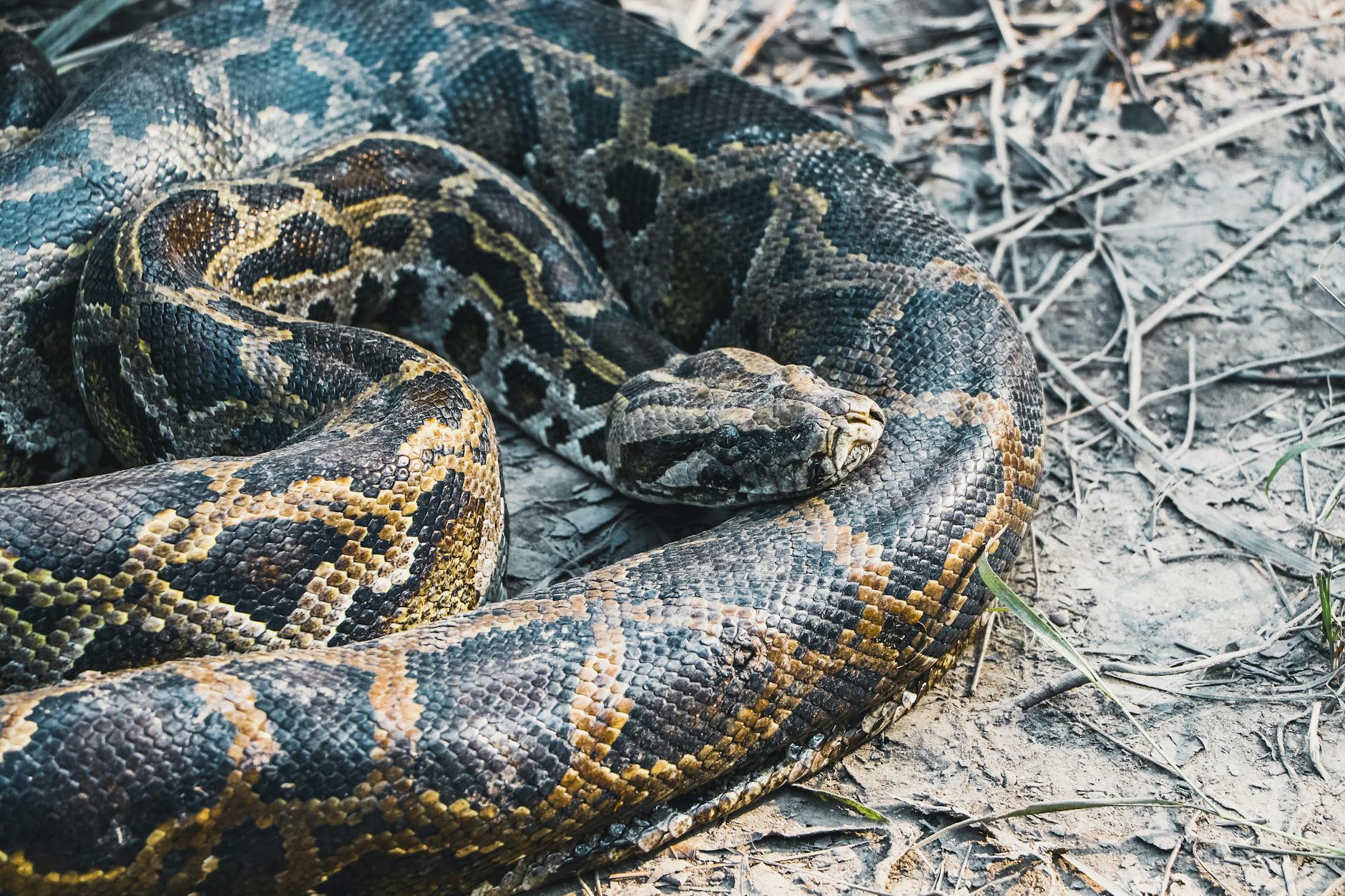
While not venomous, giant constrictors like reticulated pythons, Burmese pythons, and African rock pythons present their own unique dangers. These are animals designed by evolution to locate, constrict, and consume prey larger than themselves.
Let’s be clear about the mechanics of constriction—it’s not “crushing” in the Hollywood sense. Constrictors don’t break bones. Instead, they wrap around their prey and tighten every time the victim exhales, eventually preventing the lungs from expanding at all. Death comes from asphyxiation, and it’s horrifyingly quick. Large constrictors can kill a human in minutes.
The victims are often children. In 2013, two young boys in Canada were killed by an African rock python that escaped its enclosure. In 2018, a Maryland man was strangled by his 14-foot pet python. In 2019, an Indiana woman was found dead in her home with her 13-foot pet snake wrapped around her neck. These aren’t isolated incidents—they’re part of a recurring pattern.
Owners frequently underestimate how rapidly giant constrictors grow. That adorable baby python that fits in your palm will be ten feet long within two years. It will require a secure enclosure the size of a small bedroom, consistent feeding of appropriately sized prey (which means rabbits or pigs, not mice), and professional handling experience. Most private owners provide none of these things.
Even when handled safely, large constrictors associate warmth with food. Your body heat, your rapid heartbeat, your breathing—these are all signals that trigger feeding responses. An eighteen-foot python doesn’t know the difference between your arm and a rabbit. It just knows that something warm is moving nearby.
5. Wolves and Wolf-Dog Hybrids
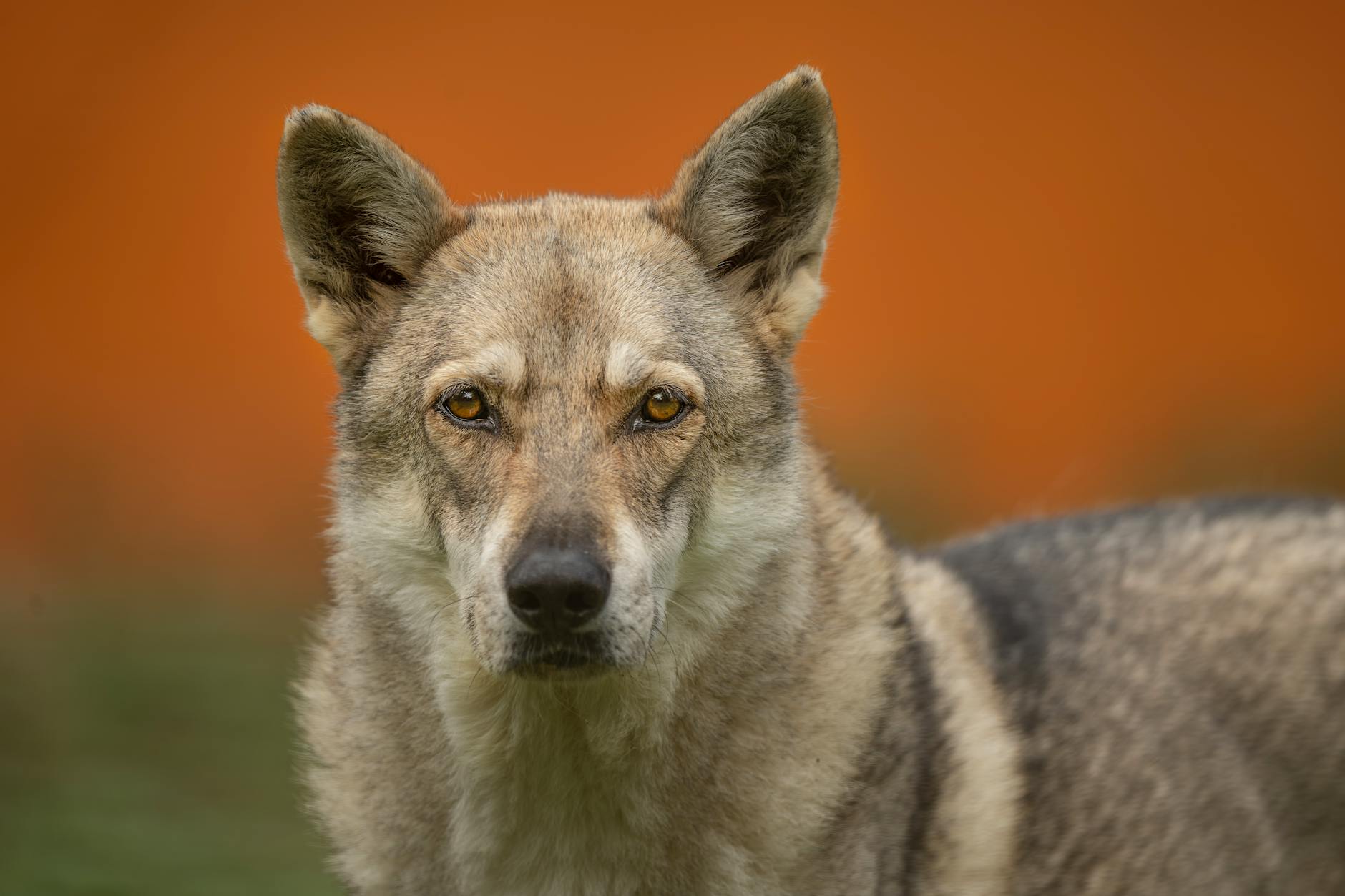
Wolves are magnificent animals. They’re also not dogs, no matter how similar they might appear. The distinction matters enormously for anyone considering a wolf or “wolfdog” as a pet.
Domestic dogs have undergone approximately 15,000 to 40,000 years of selective breeding for traits like docility, loyalty, and cooperation with humans. Wolves have undergone none of that. Even wolves raised from birth by humans retain strong predatory instincts, exhibit dominance behaviors, and lack the instinct to look to humans for guidance. They do not seek to please you. They do not recognize you as their leader. They tolerate you until they don’t.
Wolf-dog hybrids are even more problematic because their behavior is unpredictable. One animal might display mostly dog-like traits; its sibling from the same litter might be nearly pure wolf in temperament. You cannot tell by looking. You cannot reliably train it out of them. And when a hybrid does attack—which they do with alarming frequency—they bite differently than dogs. Wolves bite to disable and kill, not to warn or communicate. Their bite force is nearly twice that of a similarly sized dog.
The statistics are sobering. Between 1999 and 2016, wolf and wolf-dog hybrids were responsible for over a dozen fatal attacks on humans in North America, with countless more non-fatal maulings. Most victims were children or elderly people. Most attacks occurred without warning. And most of the animals were described by their owners as “friendly” and “never aggressive” before the incident.
Even if you somehow manage to keep a wolfdog without incident, you’re still likely causing the animal profound suffering. Wolves travel twenty miles a day in the wild. They live in complex family packs. They howl to communicate across vast territories. In your backyard, even a large enclosure, they pace and develop stereotypic behaviors. They are wild animals experiencing a slow psychological breakdown.
6. Cassowaries
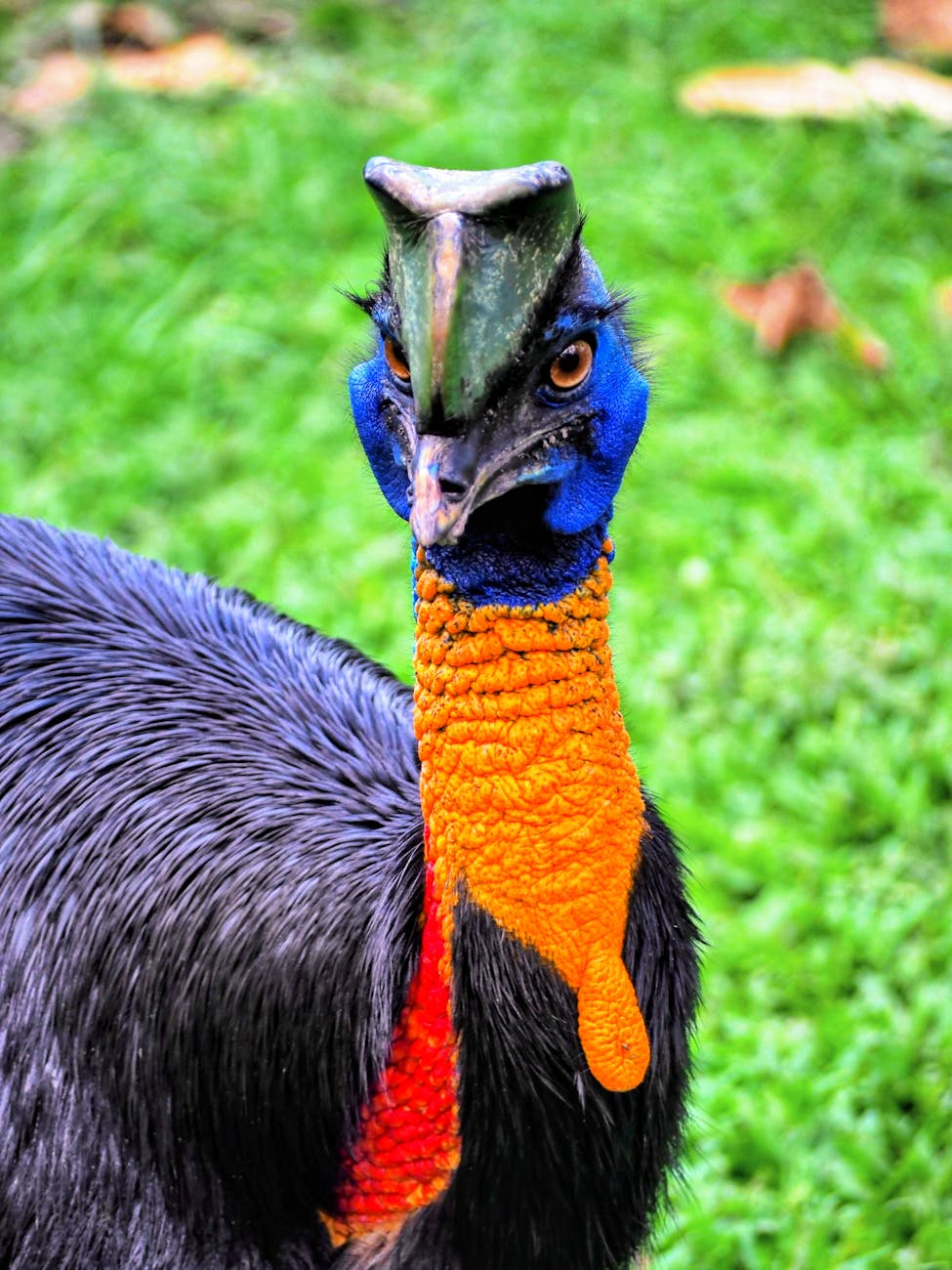
Often called “the world’s most dangerous bird,” the cassowary isn’t aggressive without reason. The problem is that, as a pet, everything becomes a reason. These prehistoric-looking birds from Australia and New Guinea are equipped with weapons that seem almost deliberately designed to kill.
Each cassowary foot bears a dagger-like claw up to five inches long on the inner toe. These are not for display. Cassowaries use them to disembowel perceived threats with a single kick, and they can kick forward, backward, and sideways with devastating precision. Their kicks generate enough force to penetrate steel plate. Human flesh doesn’t stand a chance.
Beyond the claws, cassowaries are large (up to 170 pounds), fast (30 miles per hour), and excellent swimmers. They have no natural predators in their native habitat because nothing wants to tangle with them. And while wild cassowaries typically avoid humans, captive individuals often lose that fear entirely—replacing it with territorial aggression.
Attacks on humans are well-documented. In 2019, a Florida man was killed by his pet cassowary after he fell in the bird’s enclosure. The bird kicked him, opened a massive wound in his neck, and would have continued attacking if first responders hadn’t intervened. The man raised the cassowary from a chick and considered it “mostly friendly.” That assessment proved fatally incorrect.
Even zoos consider cassowaries among their most dangerous animals, requiring special handling protocols, reinforced barriers, and multiple safety redundancies. Private owners have none of these safeguards.
7. Bears
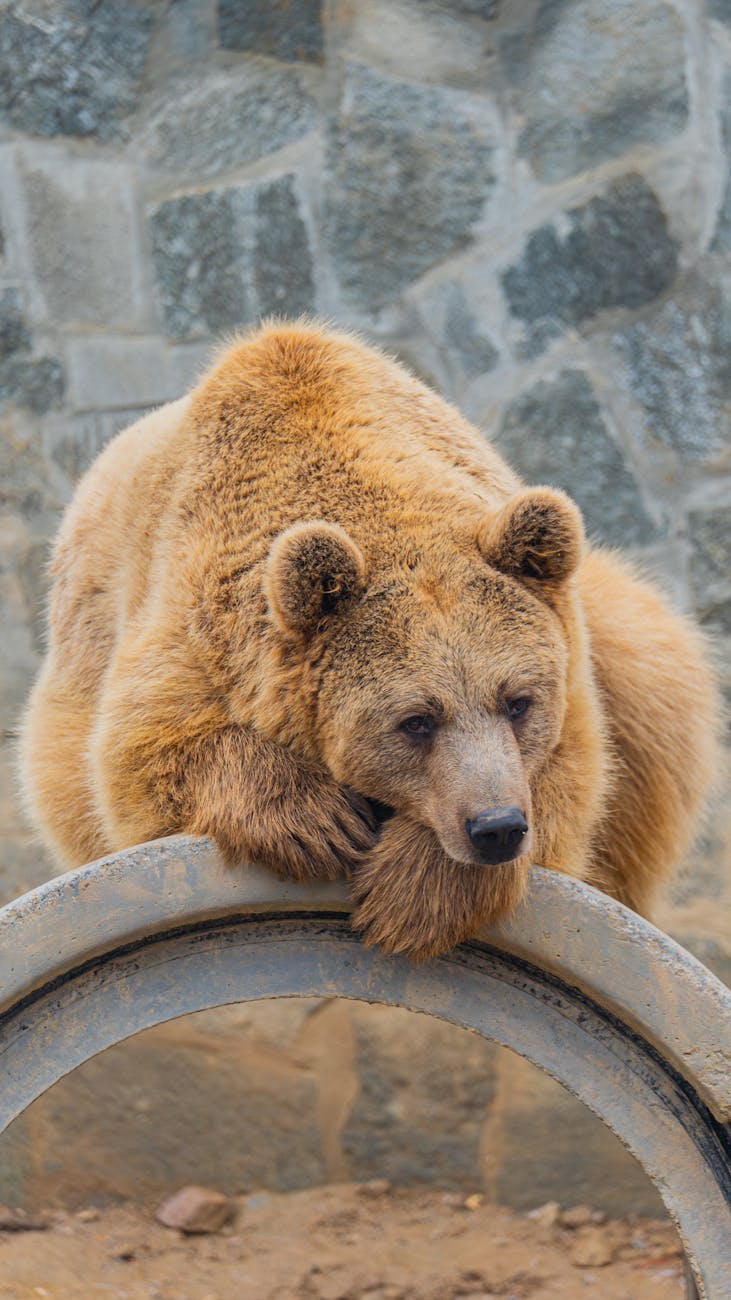
That this needs to be on a list of “pets people should avoid” speaks to alarming failures of human judgment, but bear ownership is distressingly common in some exotic pet circles. Black bears, brown bears, and even grizzlies have all been kept as private pets in the United States.
Let’s establish some basic facts. A male grizzly bear can weigh 1,500 pounds. It can run 35 miles per hour. Its claws are up to four inches long. Its bite generates over 1,000 PSI. And unlike the sluggish, friendly creatures depicted in children’s cartoons, real bears are curious, opportunistic, and capable of turning on a handler in milliseconds.
The typical bear owner story follows a predictable arc: acquire an adorable bear cub (often after its mother is killed by hunters), bottle-feed it, raise it alongside dogs, and develop a seemingly loving relationship. For a few years, the bear is manageable. Then the bear reaches sexual maturity. Its food drive overrides any trained behaviors. A minor disagreement—you’re late with dinner, you startle it, another animal enters its space—triggers a catastrophic reaction.
In 2016, a Montana man was killed by his pet grizzly bear during what witnesses described as a “routine interaction.” The bear grabbed him by the neck and shook him like a rag doll. Emergency responders found the man’s body partially consumed. The bear had been a pet for 12 years and had never shown aggression before.
Beyond the obvious danger, keeping a bear as a pet is virtually impossible to do legally. Even in states with minimal exotic animal laws, most require some form of dangerous animal permit that includes facility inspections, liability insurance, and escape protocols that private owners rarely meet.
8. Tiger and Lion Cubs
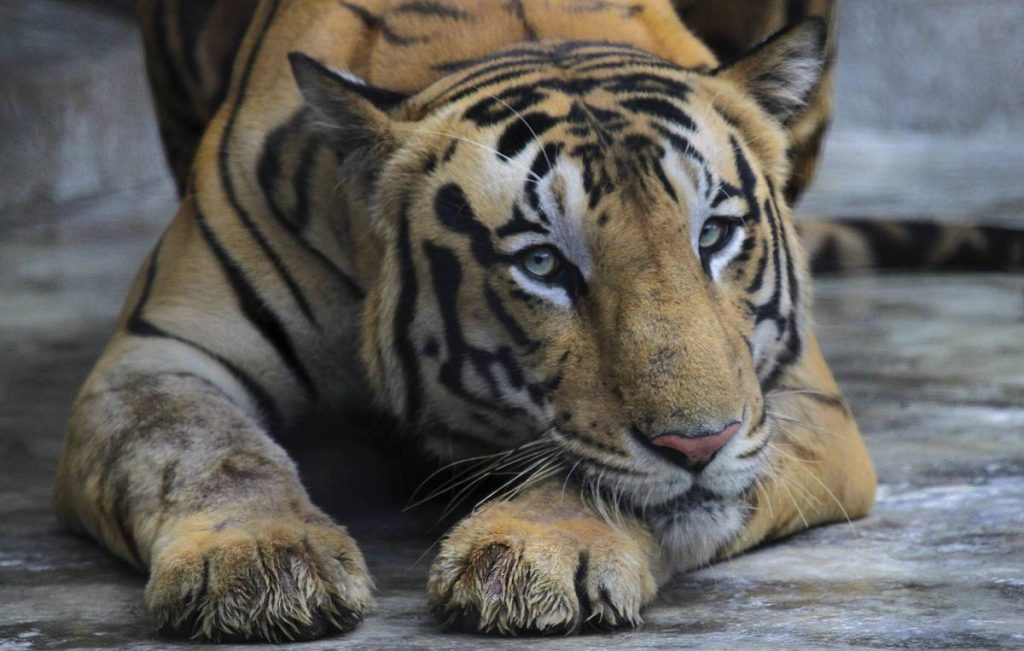
The exotic pet trade’s most insidious marketing strategy is the “pay to play” cub handling experience. You’ve seen the photos—tourists cuddling tiger cubs at roadside attractions, celebrities posing with lion babies for Instagram. What those photos don’t show is what happens to those cubs when they grow up.
Tigers and lions are not domestic cats. A tiger cub is small and playful. A 500-pound adult tiger is an ambush predator capable of killing a human with a single paw swipe. Even declawed and defanged (both cruel, mutilating procedures), a big cat’s strength is overwhelming. They don’t need claws or teeth to kill you—they can fracture your skull by batting at you in play.
The captive tiger population in the United States is estimated at 5,000 to 10,000 animals. The wild tiger population worldwide is around 3,900. That means America has more captive tigers than exist in all of Asia’s jungles combined. Most of those captive tigers live in private hands under conditions ranging from inadequate to abusive.
The attack statistics are relentless. In 2021, a Florida woman was mauled by her pet tiger while cleaning its enclosure. In 2019, a Kansas man lost his arm to his “tame” lion. In 2017, a South Carolina big cat owner was found dead inside his tiger’s cage. Every single one of these owners described their animals as “gentle” and “like family.” Every single one was wrong.
Big cats do not bond with humans the way dogs do. At best, they habituate to your presence and tolerate you as a food source. At worst, they view you as competition, prey, or simply an obstacle to be removed. There is no ethical or safe way to keep a tiger or lion as a pet, and the exotic cat trade should be banned entirely.
9. Scorpions (Especially Deathstalkers and Fat-Tails)

While snakes get most of the venomous pet attention, scorpions are increasingly popular in the exotic pet trade. And while most scorpion stings are painful but not life-threatening, certain species absolutely are.
The deathstalker scorpion and the fat-tailed scorpion both produce venom that can kill a healthy adult human. Their neurotoxins cause seizures, respiratory failure, and cardiac arrest. Antivenom exists but is rarely available outside regions where these scorpions are native. If you’re stung by a deathstalker in Ohio, you’re gambling with your life.
The terrifying reality is that scorpions are escape experts. They can flatten their bodies to fit through gaps you wouldn’t believe possible. They climb walls, hide in clothing and shoes, and are active at night when you’re most vulnerable. A lost venomous scorpion in your home isn’t just a nuisance—it’s a hidden landmine.
Even non-lethal scorpion species can cause excruciating pain, prolonged muscle spasms, and allergic reactions requiring hospitalization. And because scorpions don’t “learn” to be safe with humans—they’re arthropods with minimal cognitive function—there’s no training or bonding that reduces your risk. Every interaction carries the same danger as the first.
10. Raccoons
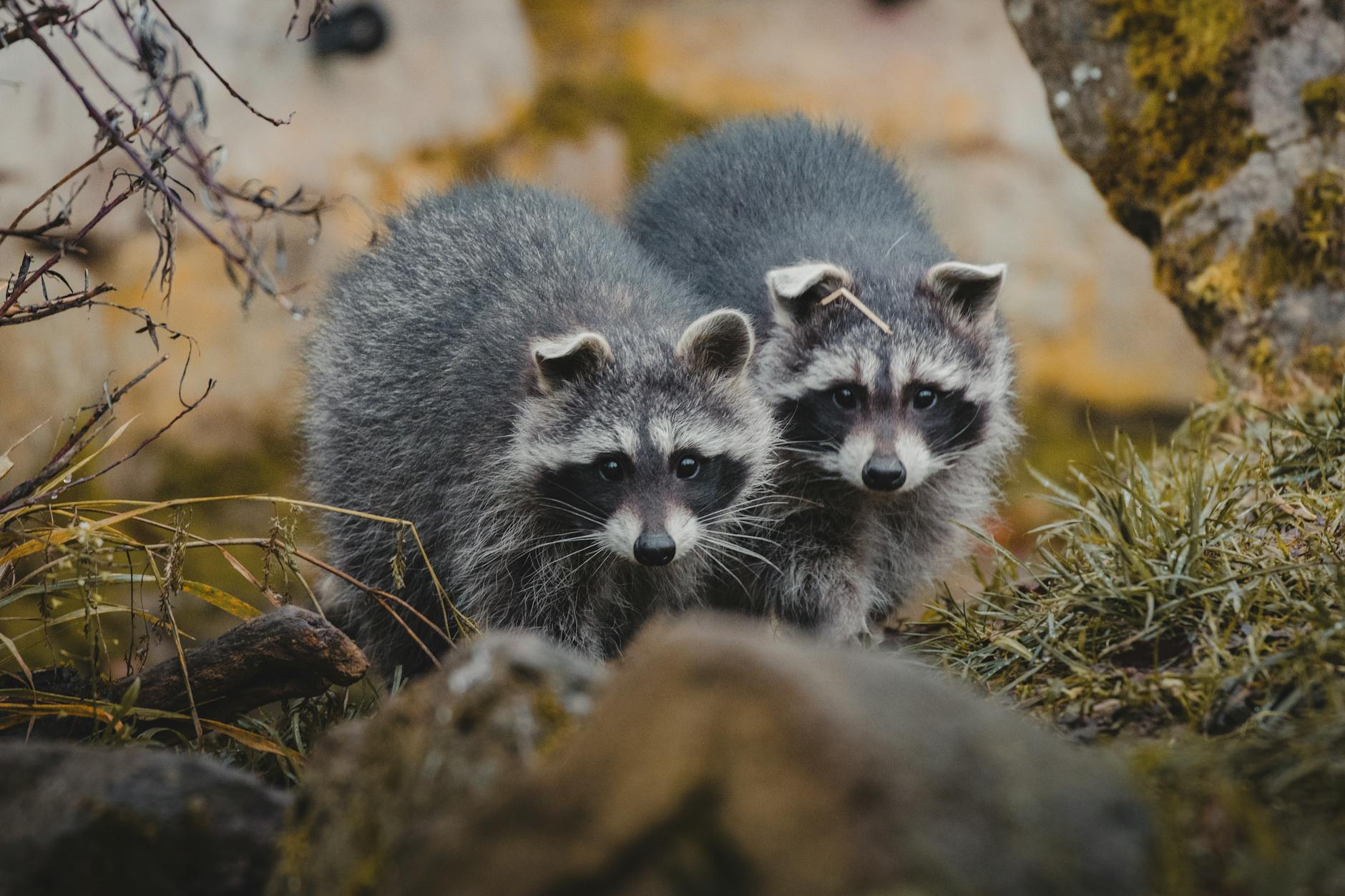
This final entry might seem anticlimactic after tigers and bears, but raccoons deserve their place on this list precisely because they seem harmless. People rescue orphaned raccoons, raise them as pets, and convince themselves that a wild animal that eats trash and looks cute in a Halloween costume is basically just a funny-looking dog.
Raccoons are not dogs. They’re wild animals with sharp teeth, strong jaws, and completely unpredictable temperaments. They’re also the primary carriers of rabies in North America, and a rabid raccoon doesn’t growl or foam at the mouth—it just attacks. Even without rabies, raccoons are responsible for hundreds of bites requiring medical attention each year.
But the real danger of pet raccoons isn’t just their capacity to bite. It’s what they carry. Raccoons are asymptomatic carriers of baylisascaris, a roundworm that causes a devastating neurological disease in humans called neural larva migrans. The raccoon’s feces contain millions of microscopic roundworm eggs that can survive in your home for years. If you inhale dust containing those eggs, or if a child touches contaminated surfaces and then their mouth, the worms migrate to the brain and eyes. The result is permanent brain damage, blindness, or death—and there is no effective treatment.
Veterinary medicine cannot reliably test for or treat baylisascaris in raccoons. Even a healthy-looking pet raccoon can be shedding infectious eggs throughout your home. You cannot see them. You cannot clean them thoroughly enough. And once someone in your household is infected, you’re facing a catastrophic medical outcome.
Beyond the parasitic risk, raccoons become increasingly aggressive as they reach sexual maturity. Their natural response to frustration or overstimulation is to bite, and they bite with enough force to cause serious tissue damage. The idea of a “tame” raccoon is a myth—they’re tolerating you, not bonding with you, and their tolerance has limits.
Final Thoughts: Why Exotic Pet Ownership Harms Everyone
After reading this list, you might be thinking, “But surely some people can handle these animals responsibly.” And yes, there are professional zoologists, sanctuary operators, and conservationists who work safely with dangerous animals. They do so with extensive training, reinforced facilities designed by engineers, established protocols for every possible emergency, and multiple layers of redundancy to prevent escapes and attacks.
Private owners have none of these things. They have wishful thinking and the false belief that love and intention can override 50 million years of evolution.
The exotic pet trade doesn’t just endanger owners. It endangers families, neighbors, first responders, veterinarians, and the animals themselves. Most exotic pets live shortened lives filled with stress, malnutrition, and psychological suffering. And when the inevitable attack or escape occurs, the animal almost always pays with its life.
If you genuinely love animals, you’ll leave the dangerous ones in the wild where they belong. There are countless domestic species—dogs, cats, rabbits, birds, fish, reptiles like bearded dragons or corn snakes—that can provide companionship without risking life and limb. Choose one of those instead. You’ll live longer, and so will your pet.
Leave a Reply