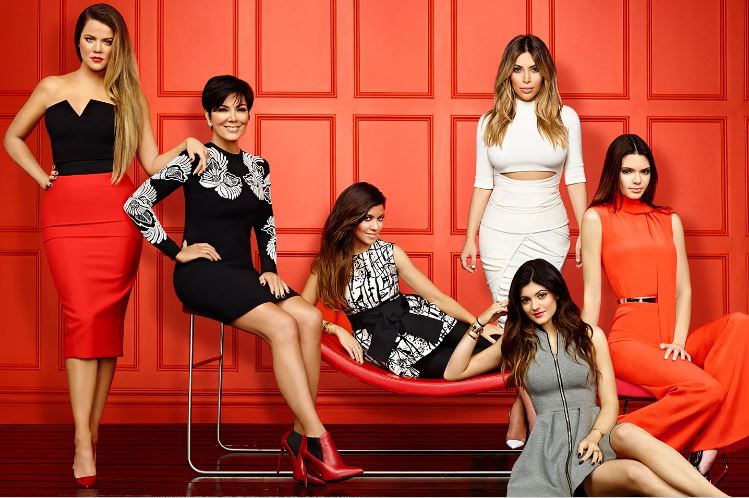
To talk about the Kardashian-Jenner sisters—Kim, Khloé, Kourtney, Kendall, and Kylie—is to talk about the internet itself. They are not just celebrities; they are a global, multi-platform phenomenon, a living case study in 21st-century fame. For every ardent fan who meticulously tracks their every product drop and relationship update, there is a vocal critic who views them as the hollow epicenter of modern celebrity culture. This duality defines their existence.
Here, we analyse the precise elements that inspire both fervent adoration and visceral disdain in the hearts of netizens worldwide.
Part I: The Love – Why the Kardashian-Jenner Empire Endures
The family’s longevity is no accident. It is built on a foundation of carefully curated appeals that resonate powerfully with a digital-native audience.
1. The Masterclass in Personal Branding & Entrepreneurial Hustle
Love them or hate them, their business acumen is undeniable. Netizens, particularly young entrepreneurs and marketers, admire them as savvy moguls who turned fame into a multi-billion dollar empire. They didn’t just endorse products; they became the product.
- Kim Kardashian: From Closet Clear-Out to Capitalist Queen: Her journey from styling assistant to SKIMS founder is a case study in evolution. SKIMS single-handedly reshaped the shapewear and underwear market by championing inclusivity in size and shade. Fans praise its genius marketing and Kim’s hands-on role as a perfectionist CEO.
- Kylie Jenner & The Power of Illusion: Kylie’s lip kit story is internet legend. By leveraging the mystery around her lips, she created a billion-dollar cosmetics company (Kylie Cosmetics) that spoke directly to her peers via Snapchat and Instagram. It felt accessible, a beauty empire built from a teenager’s bedroom.
- Khloé Kardashian & The Reinvention Narrative: With Good American, Khloé tapped into the body positivity and size-inclusive fashion movement at a crucial time. Fans love her relatable messaging about confidence and her very public journey toward health and self-love.
2. The Hyper-Curated, Aesthetic-First Universe
In an age where aesthetics are currency, the Kardashian-Jenner world is flawlessly designed. Netizens, especially on platforms like Instagram, Pinterest, and TikTok, are drawn to this aspirational visual language.
- Home as Brand Extension: Their homes—minimalist, neutral, and shockingly serene—are as famous as they are. From Kim’s “minimalist monastery” to Kylie’s “modern gothic” mansion, these spaces are meticulously crafted content backdrops that inspire millions of home decor boards and “aesthetic” videos.
- Fashion as Event: Whether it’s Kim’s Met Gala looks (the “internet-breaking” Balenciaga gown), Kourtney’s vintage punk-rock edge, or Kendall’s high-fashion model off-duty style, their fashion choices are analyzed, emulated, and debated. They are walking mood boards, and fans love the constant stream of style inspiration.
3. The Soap Opera Meets Reality TV Genius
Keeping Up with the Kardashians and its successor, The Kardashians, provided an unprecedented, glossy window into the lives of the rich and (in)famous. Fans feel a parasocial intimacy with the family, developed over 20 seasons.
- Relatability Amidst the Glamour: They fight over trivial things, navigate awkward family dinners, and support each other through crises. While their problems are magnified by wealth, the core dynamics—sibling rivalry, parental pressure, relationship struggles—feel familiar. Kourtney’s dry wit, Khloé’s self-deprecating humor, and even Kris Jenner’s “momager” antics create characters the audience roots for.
- The Triumph-Over-Adversity Arc: Netizens have been on a two-decade journey with them. They’ve watched Kim’s very public divorce and her subsequent pivot to law, Khloé’s resilience through infidelity scandals, and Kourtney’s search for happiness culminating in her fairytale wedding to Travis Barker. This long-form narrative creates deep investment.
4. Strategic Vulnerability and Advocacy
In recent years, the sisters have leveraged their platforms for causes, earning respect for using their voice on serious issues.
- Kim Kardashian’s Prison Reform Work: Her advocacy for clemency, her studies to become a lawyer, and her successful lobbying for specific cases (like Alice Marie Johnson) have fundamentally shifted her public perception for many. It’s seen as substantive work that transcends branding.
- Khloé & Kylie on Body Image & Mental Health: While often critiqued for contributing to beauty standards, they have also spoken openly about the pressure, Photoshop, and online bullying they face. This vulnerability, when perceived as genuine, fosters a protective loyalty from fans.
Part II: The Hate – The Core of the Anti-Kardashian Sentiment
If the love is built on aspiration and narrative, the hate is built on a perception of artifice and pernicious influence. The criticism is often more philosophical, targeting their impact on culture itself.
1. The Architects of Unattainable Beauty Standards
This is the most potent and frequent critique. Netizens accuse the family of profiting from a beauty ideal they helped create but which is inaccessible to most.
- The “Instagram Face” Blueprint: Their collectively refined features—contoured cheeks, full lips, narrow noses, and exaggerated hourglass figures—have become a global beauty standard. Critics argue this has fueled a worldwide epidemic of body dysmorphia and pressured young people into seeking expensive, risky procedures.
- The Denial & The Damage: The hate peaks when they deny or downplay their surgical and cosmetic enhancements while promoting products that promise to deliver their look. This is seen as deeply dishonest and exploitative, selling a dream they themselves didn’t achieve naturally. The “Kylie Lip Challenge” is a stark example of the real-world physical harm this influence can inspire.
2. Cultural Appropriation and Commodification
The family faces relentless criticism for treating Black and other minority cultures as disposable aesthetics.
- Blackfishing & Style Theft: Accusations of using tanning, makeup, and hairstyles to appear racially ambiguous (Blackfishing) are rampant. They have been called out for wearing cornrows, Fulani braids, and other Black hairstyles while failing to meaningfully support Black communities or credit origins. Kim’s “Bo Derek” braids moment and Kylie’s early embrace of cornrows are flashpoints.
- Turning Trauma into Trend: The most egregious example was Kim’s 2022 Met Gala stunt of wearing Marilyn Monroe’s historic “Happy Birthday, Mr. President” dress. Critics saw it as the ultimate act of commodification—using a fragile piece of cultural history, tied to a woman’s trauma and legacy, as a mere costume for clout, potentially damaging the artifact in the process.
3. The Crass Commercialization of Everything
The hate extends to the perception that no aspect of human experience is sacred; everything is a potential revenue stream.
- The Grief-to-Grid Pipeline: The speed at which personal tragedy is turned into content is jarring to many. Documenting a cancer scare, a robbery, or a partner’s infidelity for ratings and social media engagement feels exploitative and morally bankrupt to critics. It reduces human emotion to a plot point.
- The Blatant Product Placement Life: Their existence can feel like one endless, unskippable ad. A family photo isn’t just a family photo; it’s an ad for a teeth-whitening brand, a clothing line, a vodka, and an app. This erodes any sense of authenticity and reinforces the view that they are human billboards.
4. A Symbol of Vacuous Celebrity and Eroded Values
For a significant portion of netizens, the Kardashians represent everything wrong with modern culture.
- Famous for Being Famous: The foundational critique remains that they are emblematic of a society that rewards notoriety over merit, where strategic scandal and a sex tape can launch a dynasty more effectively than talent or hard work in a traditional sense.
- Environmental Irresponsibility: In an era of climate consciousness, their excessive lifestyles—private jets for short trips, endless fast-fashion hauls, water-guzzling mansions in drought-stricken California—are highlighted as grotesquely out of touch. Kylie’s 17-minute flight and Kim’s private jet for a island lunch become symbols of wanton excess.
Part III: The Unshakeable Paradox: Why Both Sides Are Right
The fascinating truth is that both the lovers and the haters are responding to authentic aspects of the Kardashian phenomenon. They are a perfect mirror for our digital age’s contradictions.
They are both savvy businesswomen and purveyors of unrealistic standards. Their entrepreneurial success is real, but its foundation is often a beauty ideal that causes tangible harm.
They offer both relatable reality TV and a completely manufactured reality. We see tears and fights, but within palatial homes and following scripted narrative arcs. The intimacy is an illusion, but the emotional resonance for viewers can be real.
They are symbols of empowerment and objects of patriarchal scrutiny. They built an empire on their own terms, yet their value is perpetually tied to their appearances, relationships, and fertility, which they then commodify.
Conclusion: The Enduring Reflection
The Kardashian-Jenner sisters are not just people; they are a Rorschach test for the internet age. What you see in them says more about your views on capitalism, feminism, beauty, race, and fame than it does about them. Netizens don’t just love or hate them; they love or hate what they represent.
The love stems from a fascination with a perfectly executed modern fame playbook: the hustle, the aesthetic, the story. The hate stems from a deep cultural anxiety about the cost of that fame—the eroded values, the warped self-image, the commodification of identity.
As long as these tensions define our digital culture, the Kardashians will remain relevant. They are the protagonists in our collective online story, the foil in our cultural critique, and the undeniable proof that in the 21st century, attention—whether loving or hateful—is the most valuable currency of all. The conversation about them is, ultimately, a conversation about us.
Leave a Reply