NASA eyes manned mission; Lander to go deeper into moon’s polar region than ever before.
For NASA, the goal of its partnership with SpaceX and Intuitive Machines is to study the moon in preparation for landing astronauts on its south pole in 2026.
That mission, named Artemis, seeks to explore an untapped area of the moon and begin a more continuous human presence on its surface.
Crucial to the mission is water.
NASA believes there could be hundreds of billions of gallons on the moon at its poles, which escape the heat of the sun.
Abundant water would hydrate astronauts and, by splitting the water molecule, provide a source of oxygen to breathe and hydrogen that could be used as rocket fuel.
It would slash the cost of lunar exploration, and open up the possibility of using the moon as a stepping stone to Mars.
That’s why Intuitive Machines 1 (IM-1) aims to land further south than any other spacecraft, near the Malapert-A crater at 80.4 degrees.
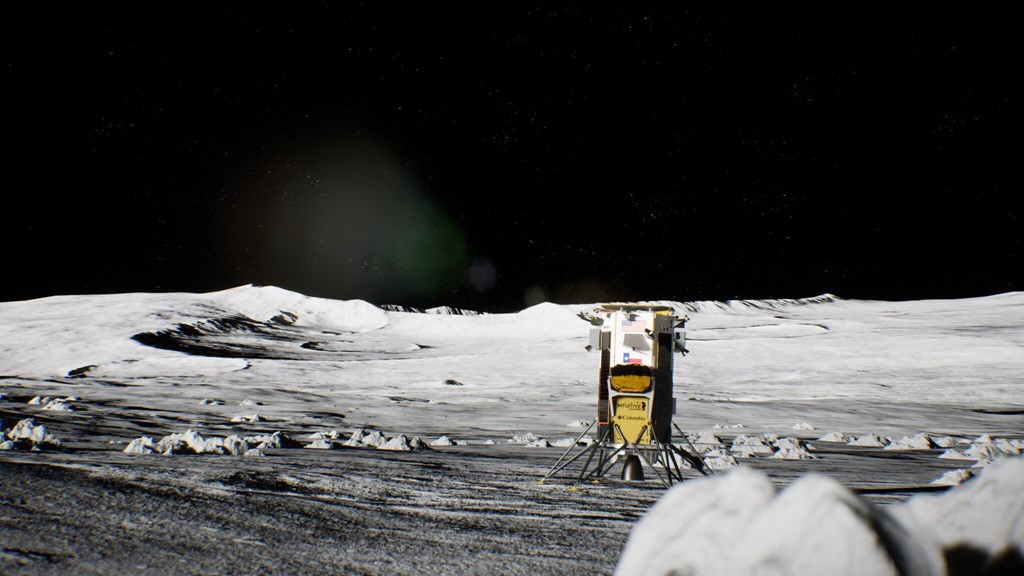
But its goal is not to detect water – that comes later. IM-1 aims to ensure safe-landing technologies work and that manned missions can communicate with Earth in the pole’s extreme environments.
NASA is sending experimental instruments for measuring speed, distance and how much fuel is left in the tanks, equipment for communicating with mission control, and navigation beacons dropped to help future missions.
One of those missions will be IM-2 later this year, which is set to head for a ridge next to the Shackleton Crater even deeper in the polar region.
On board will be what NASA calls a Polar Resources Ice Mining Experiment – a drill and equipment for analysing samples – that will look for ice deep below the surface.
It will be the first time humans have sent a robotic craft into a heavily shadowed crater – and the mission should give us strong evidence of the presence of water ice.
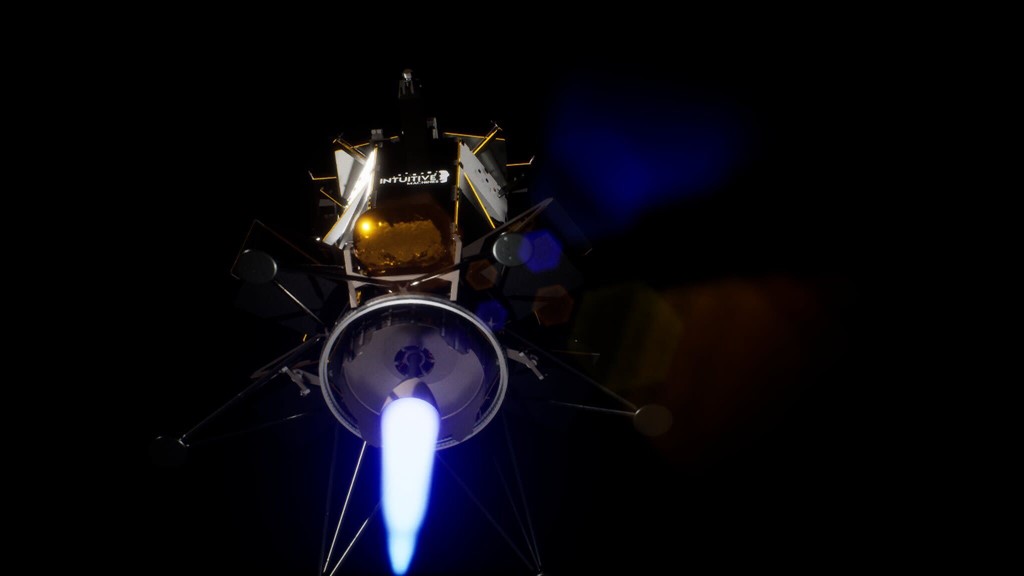
SpaceX has launched Odysseus lunar lander
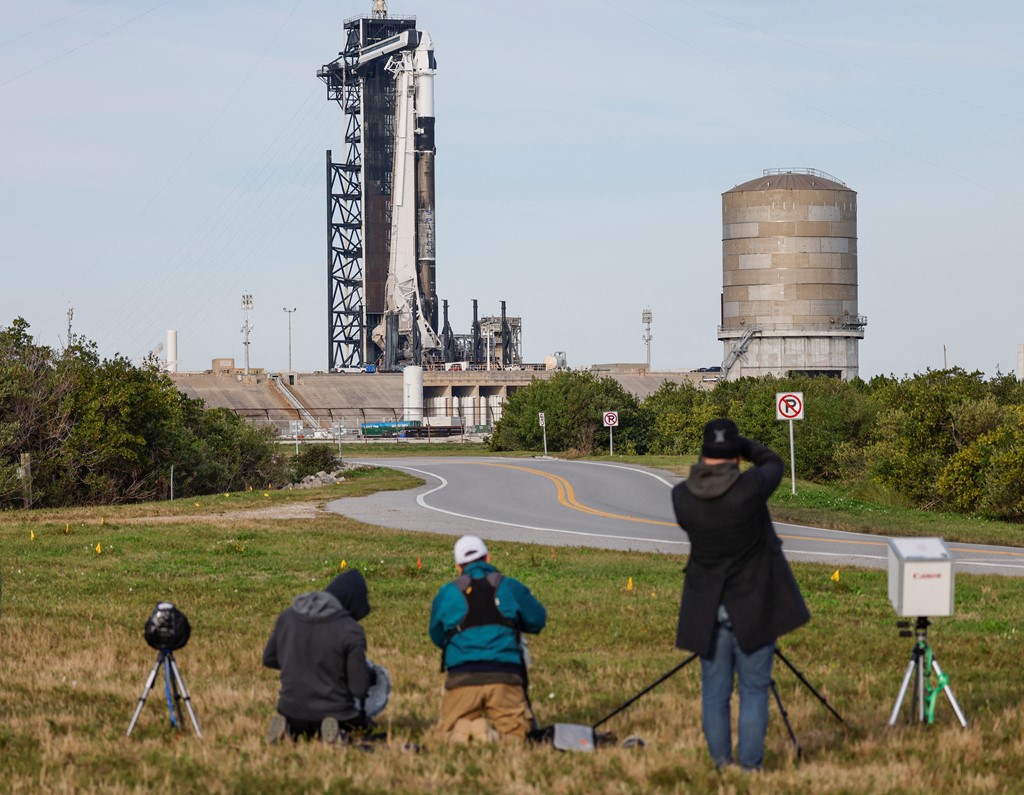
The American spacecraft and communications corporation, founded by Elon Musk, has already launched its Falcon 9 rocket carrying a lander, nicknamed Odysseus, to the moon.
Aboard the Nova-C lander, the first created by Intuitive Machines, will be NASA tech built to investigate the moon’s surface – paving the way for humans to return.
The plan is to eventually land astronauts on the moon in 2026.
Success would see the mission, named IM-1, become the first private one to land intact on the lunar surface.
The rocket was launched from the Kennedy Space Center, Florida, earlier this morning.
The lander is expected to reach the moon’s surface on 22 February.
This is the 18th flight for the first-stage rocket supporting this mission, having previously launched several Starlink missions.
We’ve brought you all the latest updates before and after take-off.
Leave a Reply