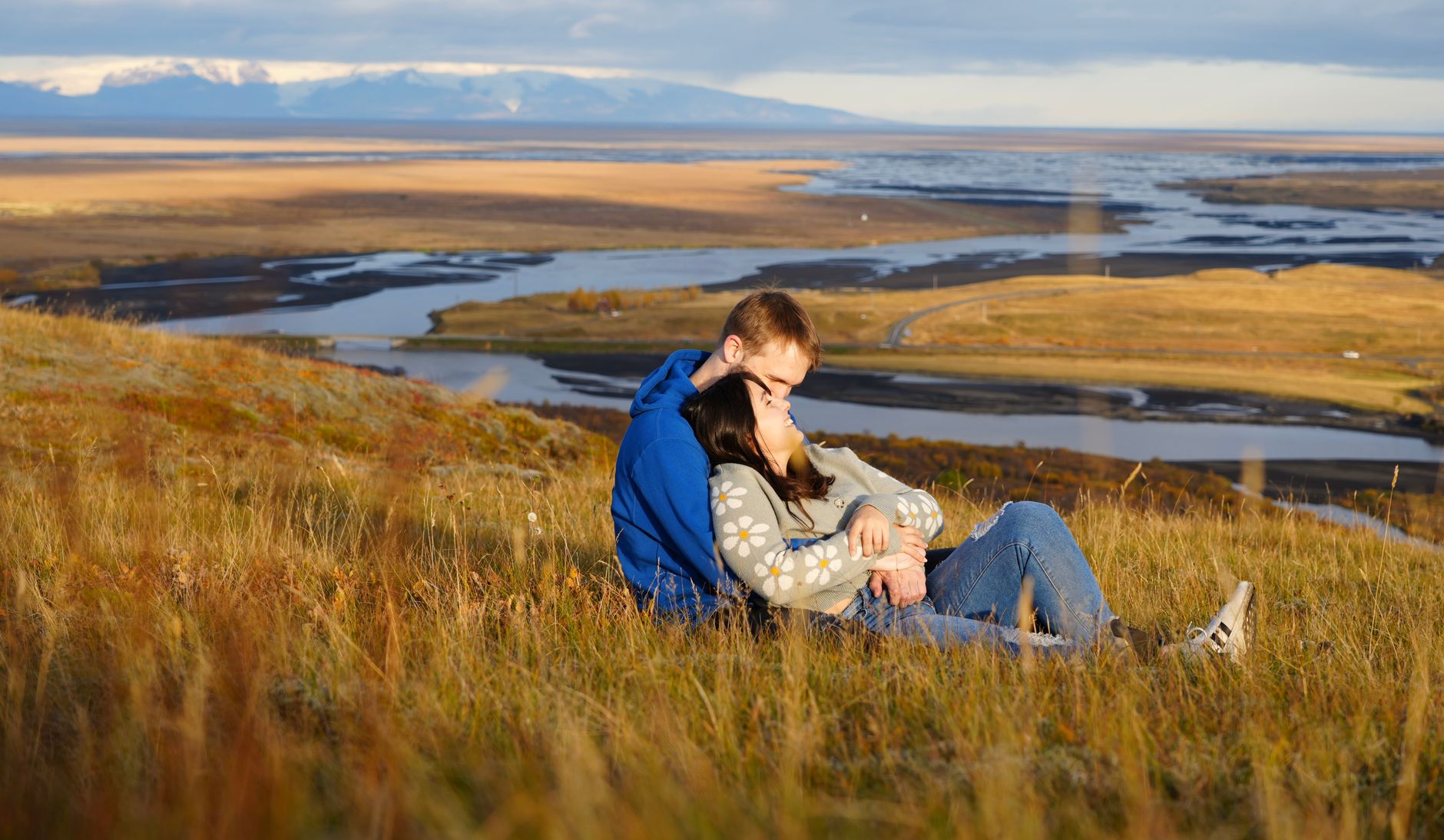
When you think of Iceland, your mind might drift to otherworldly landscapes—glaciers, volcanoes, black sand beaches, and the ethereal dance of the Northern Lights. But beneath this dramatic natural beauty lies a society with some of the most progressive, open, and frankly fascinating attitudes toward sex and relationships on the planet.
In Iceland, the rules of romance are written differently. As one local saying goes, romance often starts with “sex before coffee”—and they mean it quite literally.
A Culture of Openness
Icelanders have long been outliers when it comes to sex. Statistics paint a clear picture: they start having sex young (15.7 years old, against a global average of 17.7), they have more sexual partners on average (12.4, compared to the global average of 10.5), and a remarkable 71% report having had a one-night stand.
But the numbers only tell part of the story. What truly sets Iceland apart is the attitude surrounding sex. There’s no moral panic, no slut-shaming, and no double standard. As one Icelander puts it: “We don’t call a woman a ‘slut’ just because she likes to sleep with men (or women), we don’t call men ‘sluts’ just because they like sleeping with women (or men)”.
Sex is simply… normal. It’s discussed openly among friends, sometimes in astonishing detail. Conversations that might make foreigners blush are just everyday chatter in Iceland. This frankness extends to public life too—Iceland is, after all, home to a penis museum.
The Dating Scene: Skip the Date, Start with Sex
Perhaps the most startling aspect of Icelandic romance is how relationships actually begin. In most of the world, you meet someone, you go on a date, you get to know each other, and eventually, maybe, you sleep together. In Iceland, the order is often reversed.
“Whatever happens – whether you end up having coffee another day, or more sex, or moving in together, or pretending it never happened – any possible romantic permutation will start with sex rather than a date,” explains one journalist.
This isn’t just casual hookup culture (though that exists too). It’s a fundamentally different approach to intimacy. Dates themselves are almost frowned upon. One Icelander described how his relationship began: “In the classic Icelandic way: we met at a pub, we got very drunk, we made out. That turned into a nice evening. Let’s see if it works out”. He was in a serious relationship, about to buy an apartment with his girlfriend, and they didn’t go to a restaurant together until their first anniversary. “Inviting someone on a date here means you’re going to go bankrupt,” he jokes, referencing Iceland’s famously high prices.
The small population—just under 400,000 people—plays a role here. Everyone is connected in what locals call a “spider web of connectedness”. As one 26-year-old Icelander puts it: “You’re not really out looking for someone, because you already know them”. (And no, there isn’t actually an app Icelanders check to avoid sleeping with relatives—that’s a myth, though there is a genealogy service.)
Cohabitation, Marriage, and Family
Given this casual approach to how relationships begin, you might expect Icelanders to shy away from commitment. But the reality is more nuanced.
Iceland has the highest rate of extramarital childbearing in Europe—roughly 70% of children born in 2018 were conceived outside of marriage. This might sound shocking to outsiders, but it reflects a different understanding of family. It’s perfectly normal, as one Ukrainian expat observed, “to have a bunch of kids with different partners”.
Despite this, marriage remains common. Around 70% of women marry before age 46. The pattern is simply different: couples often move in together first (sometimes quite literally—”You wake up in somebody’s bed and just decide to keep living with them”), have children, and then maybe get married later.
What’s more, research suggests that in Iceland, cohabitation before marriage is actually associated with lower risk of divorce.
Gender Equality: The Great Equalizer
You can’t understand Icelandic sexuality without understanding Icelandic gender equality. Iceland has topped the World Economic Forum’s Global Gender Gap Index for 16 consecutive years, with a score of 92.6%—the only country above 90%.
This equality permeates the dating and sexual landscape. Women are just as likely to make the first move as men. “Pretty much every time I’ve been attracted to someone I’m the one who buys the guy a drink or go over to him to chat him up,” says one Icelandic woman. “And because the nation has such an equal approach to men and women this is considered completely normal”.
The flip side? Icelandic men aren’t always great at hitting on women or giving compliments. “Men here are most of the time very insecure or afraid of women that are strong, confident and in charge,” observes one local. This isn’t a bug—it’s a feature of a society where women don’t need to perform submissiveness to be desirable.
The permissive culture around sex is distinctive for its equality. As one young Icelander notes: “You don’t really get catcalled in the street, here”.
LGBTQ+ Rights: A Global Leader
Iceland’s progressiveness extends fully to LGBTQ+ rights. Same-sex couples have had equal access to IVF and adoption since 2006, and same-sex marriage became legal in 2010. The Icelandic parliament voted unanimously to amend marriage law to define it as between “two individuals” rather than a man and a woman.
Iceland also made history by electing Jóhanna Sigurðardóttir as the world’s first openly gay head of government in modern times, serving as Prime Minister from 2009 to 2013. In 2019, the Gender Autonomy law affirmed the right for people to define their own gender identity without psychiatric intervention.
Today, Iceland consistently ranks among the most LGBTQ+-friendly countries in the world. Reykjavík Pride is the country’s biggest annual event, drawing around 100,000 people—a quarter of the entire population.
The Hookup Culture Paradox
For all its openness, Icelandic dating culture isn’t without its complications. Research on young adults (ages 21-27) reveals that hookup culture has become the norm. Most use dating apps like Tinder or local apps like Smitten in search of hookups.
Here’s the paradox: despite hooking up being the standard approach, most young adults prefer long-term, committed relationships. They find the hookup scene involves more negatives than positives for their well-being. The culture persists, it seems, not because it’s what people truly want, but because it’s what’s expected.
Sex Education and Sexual Health
Iceland’s approach to sex education is comprehensive and age-appropriate, grounded in UNESCO’s themes on comprehensive sex education. The Reykjavík Gender Equality Academy provides education on equality, human rights, and sexual health for young people and their families.
However, there are gaps. Research suggests that Icelandic youth don’t always perceive sexual communication with their parents positively, and most wouldn’t talk to their parents if they wanted to know something about sex. Some studies also point to a “lack of sex education” in certain contexts.
Sexual health statistics reveal some concerns. Iceland has one of the highest rates of gonorrhea in Europe (88.1 cases per 100,000 inhabitants), and overall STI rates are notably high among Nordic countries. A significant study found that about one-third of sexually active teenagers use contraceptive methods sporadically or not at all.
The Bigger Picture
What makes Iceland’s approach to sex and relationships so distinctive isn’t just the casual hookups or the lack of formal dating. It’s the underlying values: equality, openness, and a pragmatic approach to human connection.
In Iceland, sex isn’t a big deal because it’s simply part of being human. Relationships don’t need to follow a prescribed script because people trust each other to figure it out. Families come in all shapes and sizes because love matters more than paperwork.
Is this approach better? That’s for each person to decide. But there’s something undeniably refreshing about a culture where you can have a frank conversation about your sex life with friends, where women can make the first move without judgment, and where the worst thing you can say about a relationship isn’t that it started with a hookup, but that it didn’t start at all.
Perhaps the Icelandic secret isn’t really a secret at all. It’s just honesty—about what we want, what we need, and how we connect with each other. And maybe, just maybe, the rest of the world could learn something from this small island nation at the edge of the Arctic.
Leave a Reply