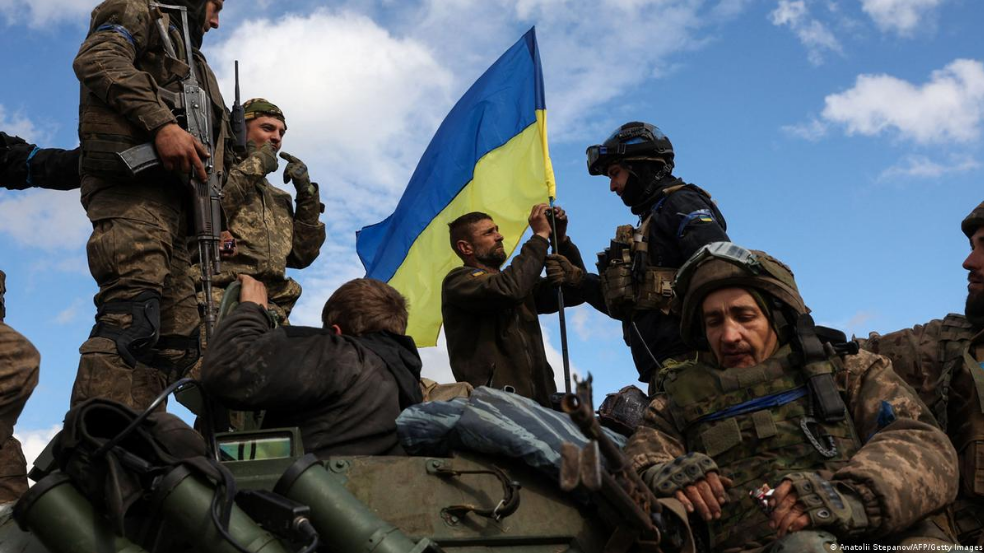
On the morning of February 24, 2022, Russia invaded Ukraine. According to the United Nations (UN), thousands of soldiers and civilians have already lost their lives.
A timeline of the shocking events in pictures.
A DARK DAY FOR MILLIONS
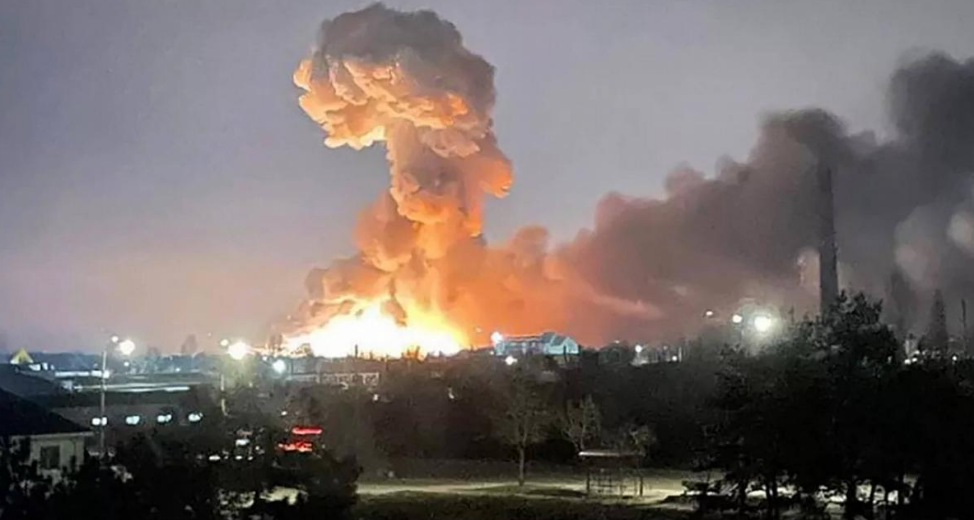
On the morning of 24 February, 2022, many Ukranians woke up to explosions like these in the capital, Kyiv. Russia had launched a full-scale invasion, marking the biggest attack by one state against another since World War II.
Ukraine immediately declared martial law. Civil structures were targeted, and the first deaths were reported soon after.
Russian President Vladimir Putin spoke of a “special military operation,” and said he aimed to capture the eastern Donetsk and Luhansk regions.
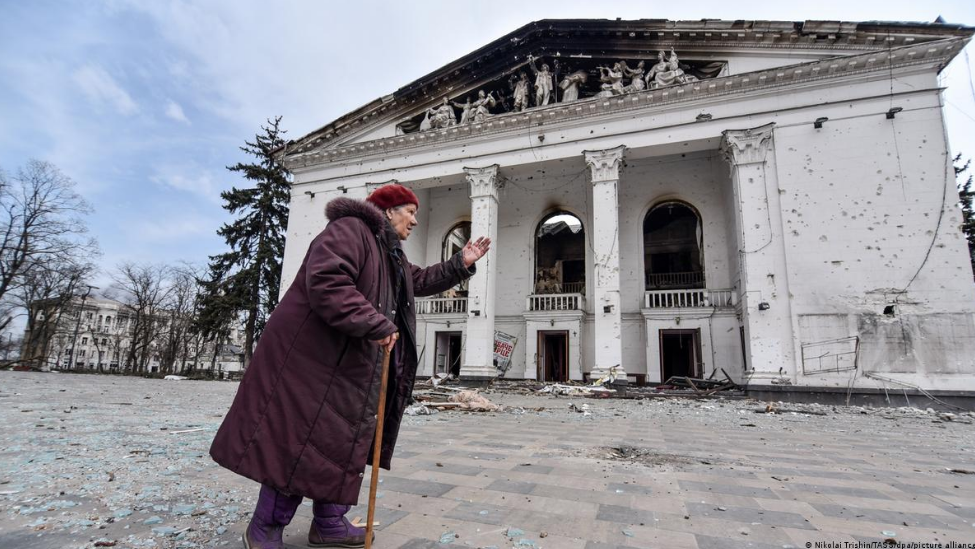
Residents of the city of Mariupol in Donetsk Oblast took shelter in basements for weeks. Many died under rubble.
A Russian airstrike on a theater where hundreds of people had taken refuge in March has been condemned by human rights groups.
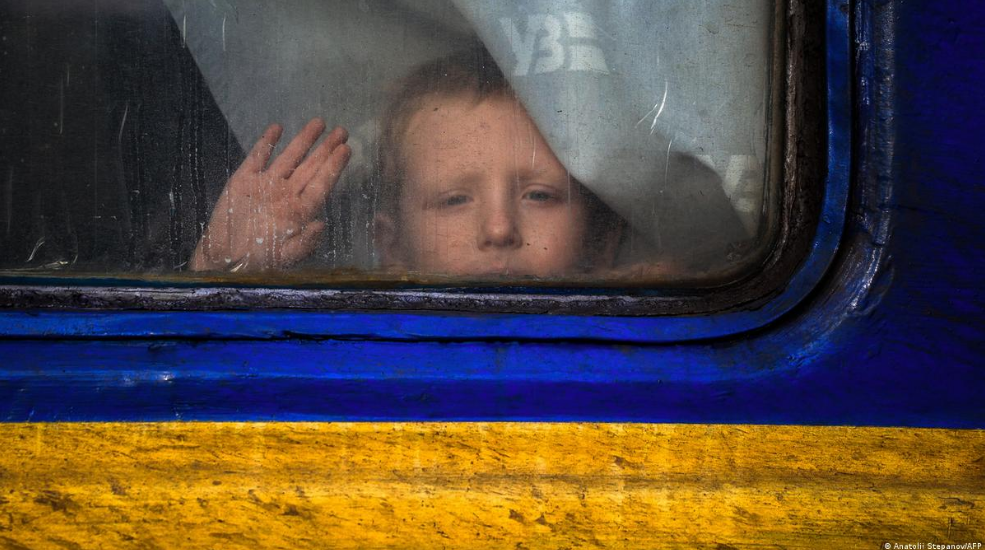
The war in Ukraine has created a rate of forced emigration unseen in Europe since World War II. According the the UN refugee agency UNHCR, more than 8 million people have fled the country. Poland alone has taken in 1.5 million people, more than any other EU state.
Millions of people, primarily from eastern and southern Ukraine, were forced to flee.
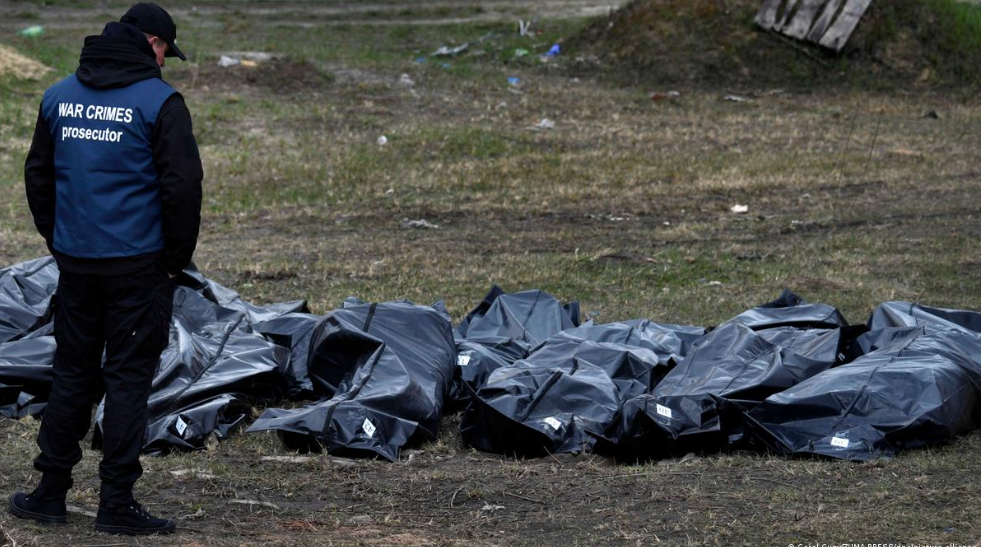
After just a few weeks, the Ukrainian army managed to drive Russian military forces from areas in the north and northeast of the country. Russia’s plan to besiege the capital, Kyiv, failed. After the regions were freed, the extent of alleged Russian atrocities became apparent.
Images of tortured and murdered civilians in Bucha, near Kyiv, went around the world.
Officials reported 461 deaths.
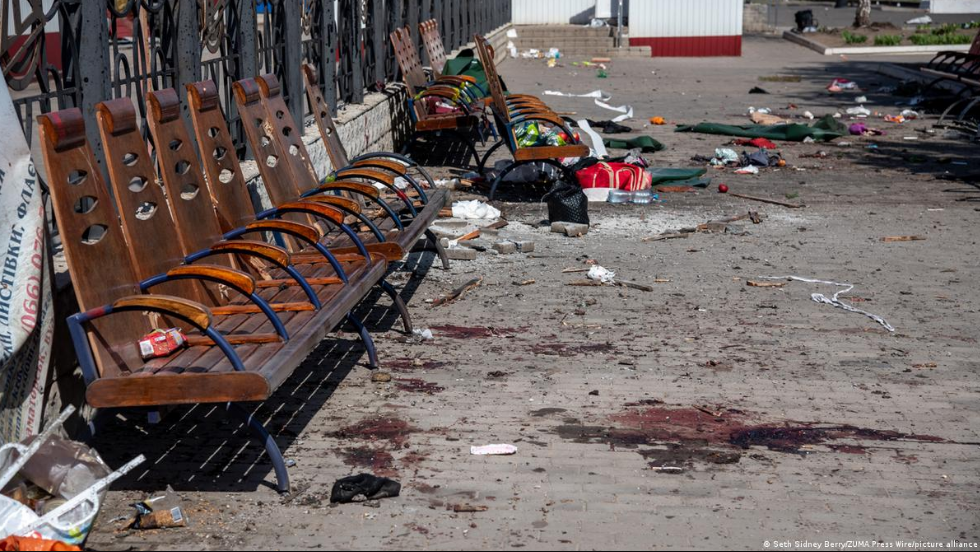
The number of civilian victims in Donbas increased rapidly. Officials told the civilian population to retreat to safer areas, but Russian missiles also targeted people as they attempted to escape, including in Kramatorsk.
More than 61 were killed and 120 injured at the city’s railway station in April, as thousands were hoping to reach safety.
SHELTERING FROM MISSILES
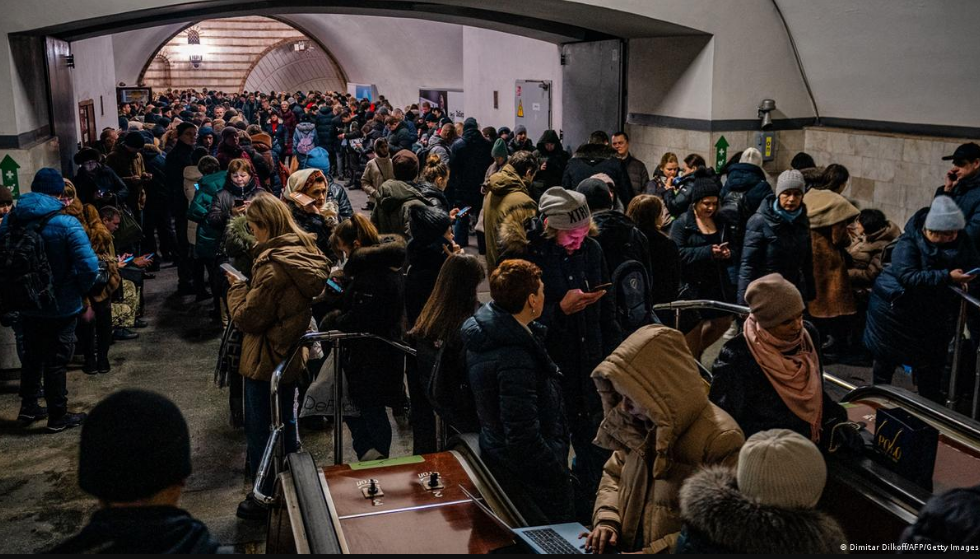
During Russian aerial attacks, millions of Ukrainians have sought refuge in shelters of some kind. For people close to the front lines within artillery range, basements have become like second homes.
Residents of big cities have sought shelter from the missiles. In Kyiv (as seen above) and Kharkiv, subway stations have double as safe havens.
HIGH NUCLEAR RISK IN ZAPORIZHZHIA
In the first weeks after the invasion, Russia occupied a large area of the southern and eastern regions of Ukraine, including near Kyiv.
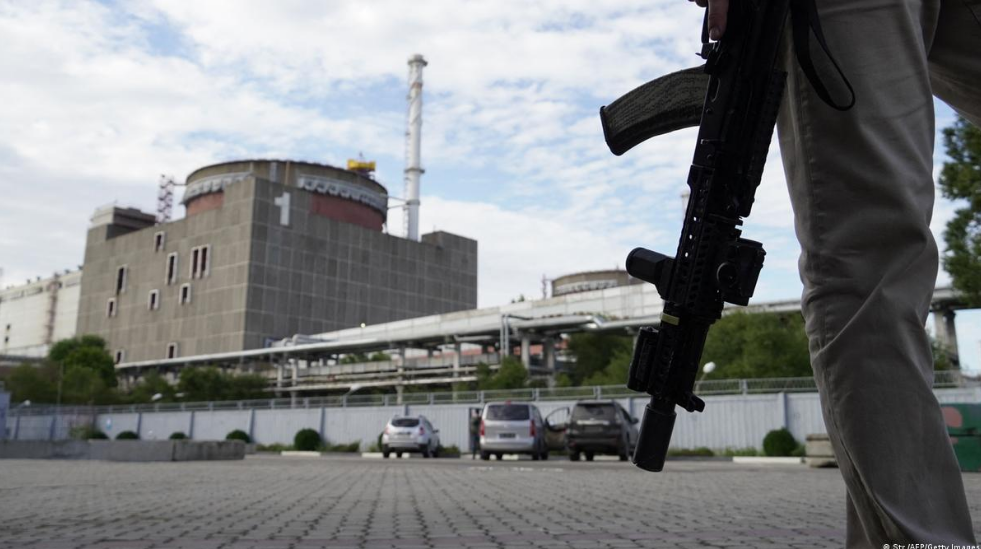
Fighting spilled over on to the premises of the Zaporizhzhia nuclear power plant in the southeast, which has been under Russian control ever since. The International Atomic Energy Agency sent experts to the plant and called for a safe zone around the area.
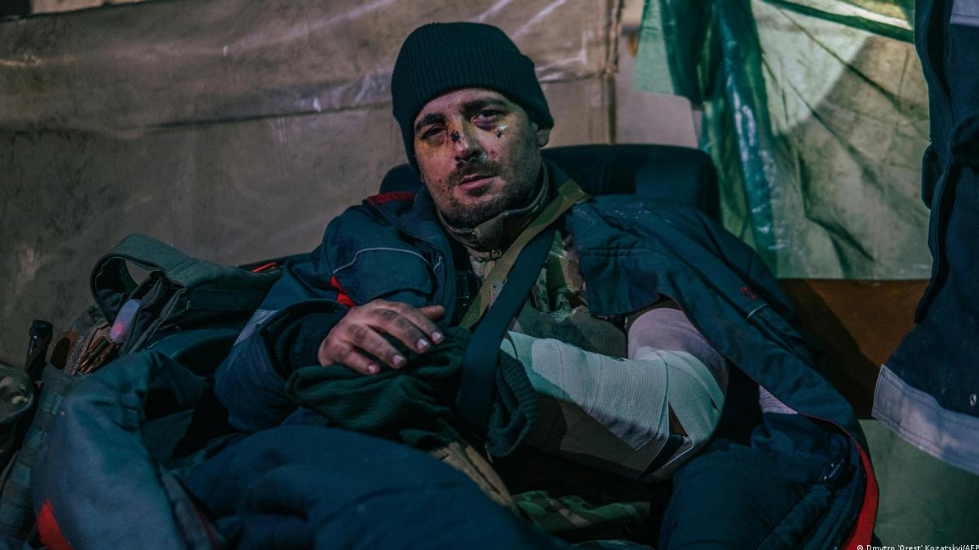
DESPERATE LAST STAND IN MARIUPOL
The Russian army held Mariupol under siege for three months, preventing shipments of amunition and other suppliers. The Asovstal steel plant was seen as the last Ukranian stronghold in the city, sheltering thousands of soldiers and civilians.
After an extended attack last May, thousands of Russian soldiers took control of the plant, capturing more than 2,000 people in the process.
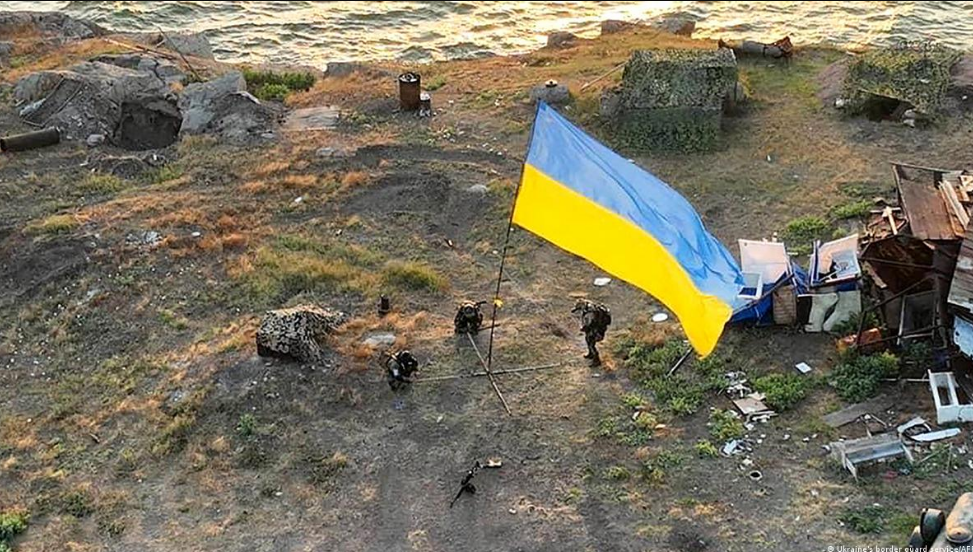
SYMBOL OF RESISTANCE
Russia conquered Snake Island in the Black Sea on the first day of the war.
A conversation between Ukrainian and Russian service members, during which the Ukrainians refused to surrender, went viral online.
In April, the Ukrainians claimed to have sunk the Russian warship Moskva, one of two vessels involved in the attack on the island.
In June, Ukraine said it had driven Russians off the island.
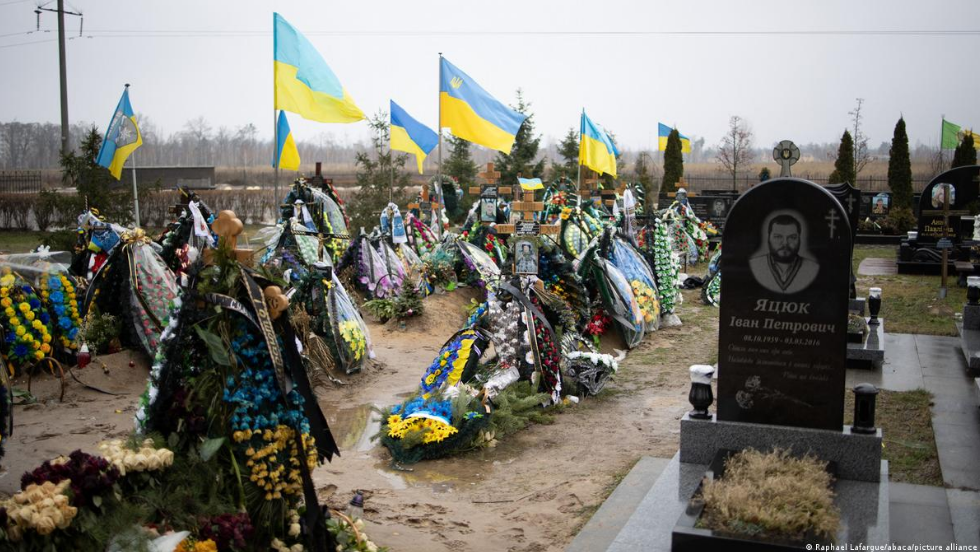
DEATH TOLL UNCLEAR
The war’s exact death toll remains unclear. According to the UN, at least 7,200 civilians have been killed and another 12,000 wounded — and the numbers could be higher. The exact number of Ukrainian soldiers killed is also uncertain.
In December, Ukraine’s presidential adviser Mykhallo Podolyak estimated the number as being up to 13,000.
Impartial statistics aren’t available.
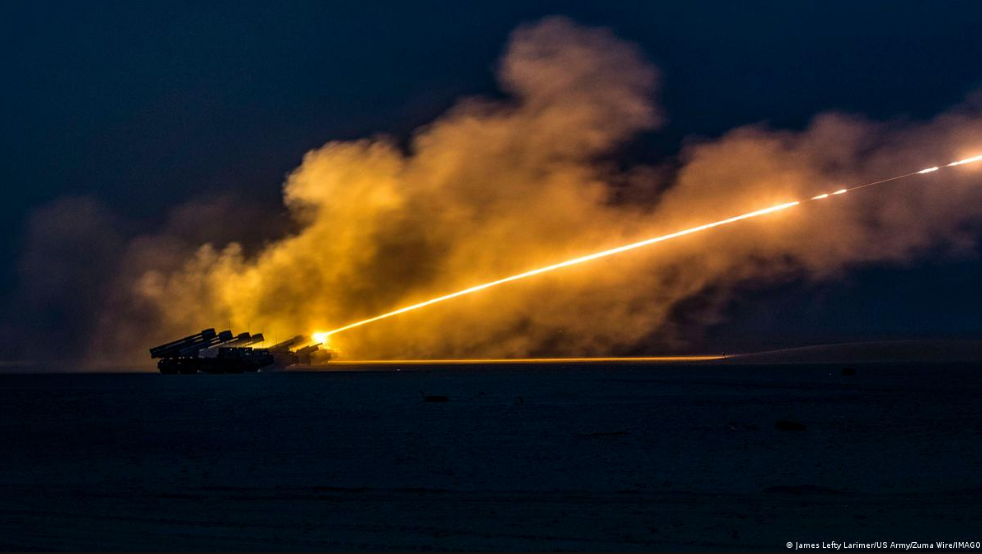
GAME CHANGER FOR UKRAINE
The delivery of Weestern weapons to Ukraine has been a hot topic since the early days of the war, but Kyiv received few of them at first.
The U.S.-manufactured HIMARS rocket launchers were a definite help. They have allowed the Ukrainian military to cut off the ammunition resupply to Russian artillery, and have likely also contributed to Ukraine’s successful counteroffensives.
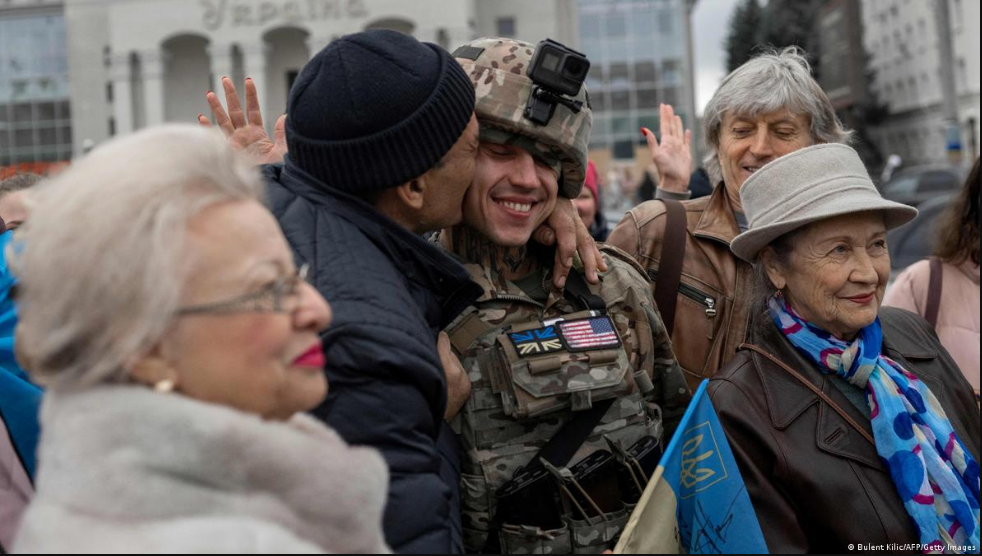
RELIEF AT LIBERATIONS
At the start of September, the Ukrainian military conducted a successful counteroffensive in the northeastern city of Kharkiv.
The surprised Russians quickly retreated, leaving equipment, ammunition and even evidence of alleged war crimes behind. The Ukrainian military was also able to liberate Kherson in the south, and its residents cheered at the arrival of Ukrainian troops.
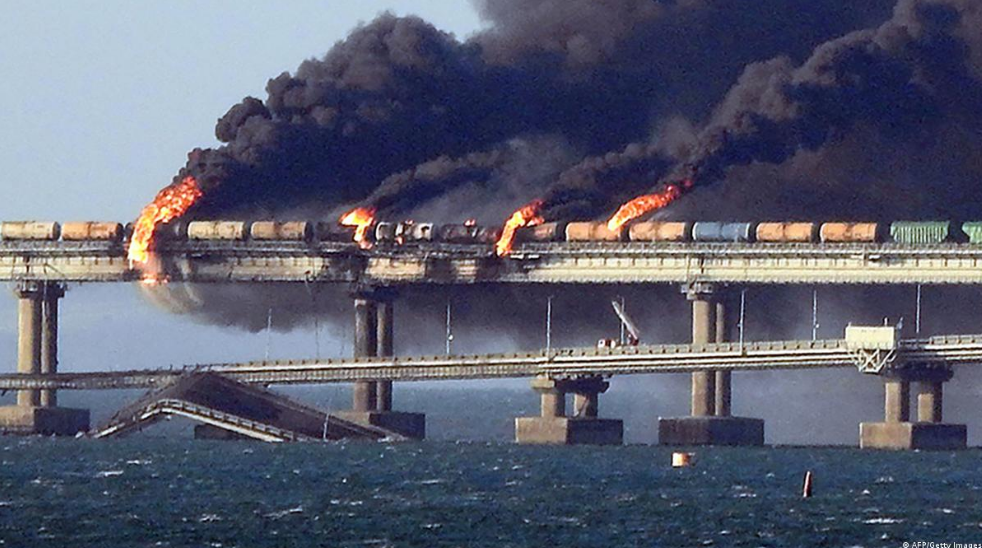
At the beginning of October, 2022, a massive explosion occurred on the bridge Russia built across the Kerch Strait to Crimea, the Ukrainian peninsula it has occupied since 2014. The bridge was partially destroyed.
Russia claims an explosives-laden truck from Ukraine caused the damage, but officials in Kyiv have not taken responsibility for any attack on the bridge.
Leave a Reply