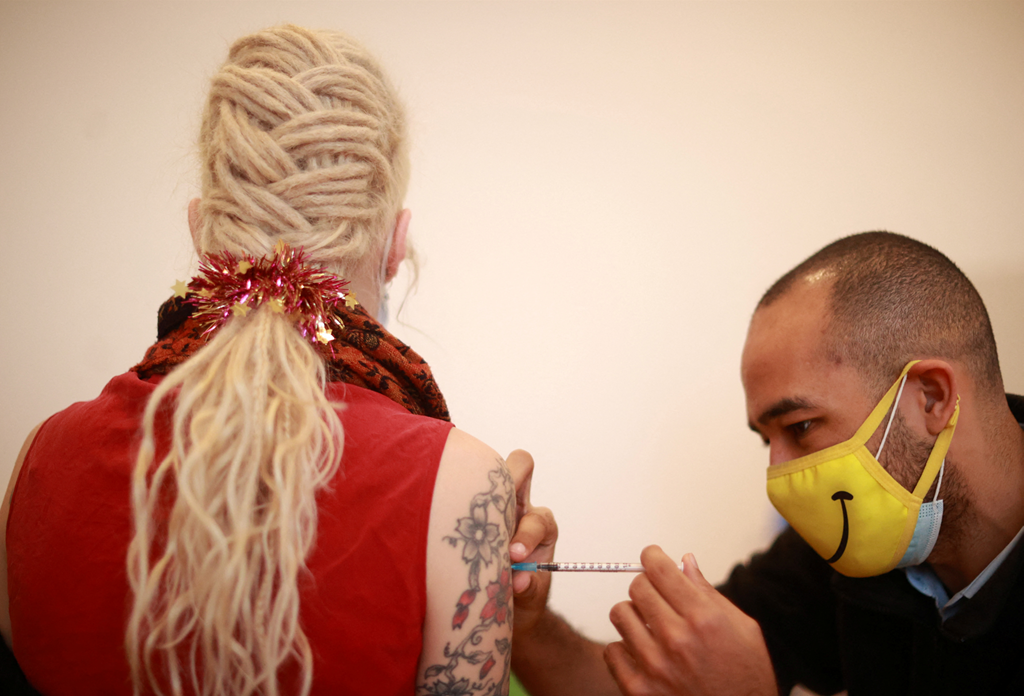
The COVID vaccine rollout is widely seen as a rare pandemic success for the UK government.
The UK Health Security Agency has calculated that 123,000 deaths were prevented in the first nine months of the jab being used.
And according to the World Health Organisation, more deaths were prevented through vaccination in the UK than any other country.
There was smart procurement of vaccines by an independent task force while they were still in clinical trials, putting Britain at the front of the queue once they were cleared by regulators.
And the subsequent rollout was blisteringly quick, with as many as 4,000 centres staffed by volunteers around the country.
But as the months passed there were clear problems that emerged, and they will be examined by the COVID Inquiry.
First is the unequal uptake across the population. Fewer than 66% of people over the age of 80 with a black African heritage took the vaccine during the initial rollout, compared to more than 97% of white British people.
Were people from some groups less trusting of government and related authorities? Were they targeted with false information about the vaccine itself? And did the government do enough to counter misinformation and maintain confidence in the jabs?
Second, while the effectiveness of the vaccines was beyond doubt, there is now known to be a very rare risk of a blood clotting disorder with the AstraZeneca jab.
Hugo Keith, counsel to the inquiry, said in his opening statement that some side effects are so rare they are difficult to detect before a vaccine is authorised.
More people were vaccinated in the first two days of the rollout than in all clinical trials in the UK up to that point.
But an important question remains on whether medicine regulators were swift enough in restricting the use of the vaccine once problems emerged.
Other European countries acted sooner and there are people who suffered vaccine injury while authorities in the UK waited for further evidence.
The third important point is whether the safety net for people who suffer an injury from rare side effects is fit for purpose.
The Vaccine Damage Payment Scheme awards just £120,000, which nowhere near replaces the potential lifetime earnings of a middle-aged parent.
And that’s only for people who can prove they are at least 60% disabled as a result of their injury, a threshold that dates from industrial injuries many decades ago.
Maintaining confidence in vaccinations is critical for the future. And that’s why lessons need to be learned. The rollout went well, but it could have gone even better.
Leave a Reply