Celebrating 76 Years: China’s National Day Golden Week 2025 – A Week of Patriotism, Travel, and Tradition
By Li Wei, China Travel Correspondent
Published: September 29, 2025
As the autumn breeze sweeps across the vast landscapes of China, the nation stands on the cusp of one of its most cherished annual traditions: National Day, or Guóqìng Jié. Falling on October 1 each year, this holiday commemorates the founding of the People’s Republic of China (PRC) in 1949, when Chairman Mao Zedong proclaimed the birth of a new era from the rostrum of Tiananmen Square. In 2025, celebrations mark the 76th anniversary of this pivotal moment—a milestone that underscores China’s remarkable journey from post-war recovery to global superpower status.
But National Day is more than a single day of reflection; it’s the gateway to the infamous “Golden Week,” a seven-to-eight-day extravaganza that transforms the country into a whirlwind of fireworks, family reunions, and record-breaking tourism. This year, with the Mid-Autumn Festival (Zhōngqiū Jié) aligning closely on October 6, the holiday extends to a luxurious eight days, from October 1 to October 8. Expect an explosion of activity: over 12,000 cultural events nationwide, surging domestic travel, and an economic boost projected to rival last year’s ¥700 billion ($99 billion) tourism windfall. Whether you’re a local planning a getaway or an international visitor eyeing the festivities, here’s your comprehensive guide to National Day Golden Week 2025—what it means, how it’s celebrated, and how to navigate the crowds.
The Historical Heartbeat: Why October 1 Matters
To understand National Day, you must rewind to October 1, 1949. After decades of turmoil—including the Opium Wars, the fall of the Qing Dynasty, and a brutal civil war—Mao Zedong’s declaration in Beijing symbolized unity, resilience, and hope. It was the dawn of the PRC, a socialist state committed to “serving the people” and rebuilding a fractured nation. Parades, speeches, and fireworks lit up the capital, setting the tone for an annual ritual that reinforces national pride.
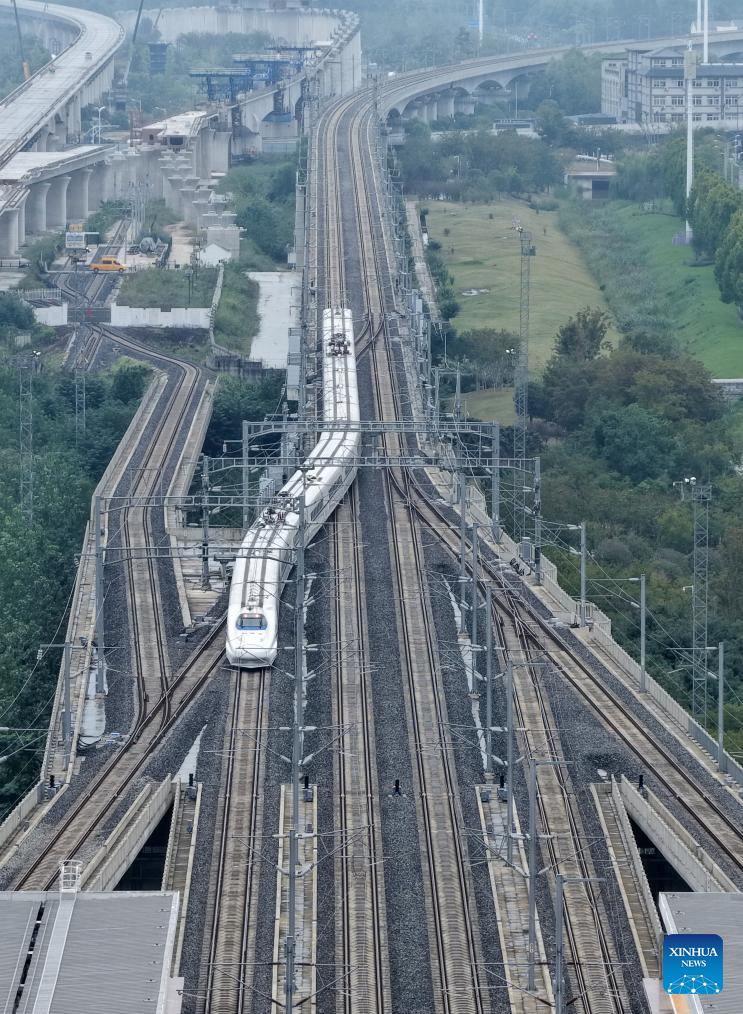
Fast-forward to 2025: China has evolved into the world’s second-largest economy, a tech innovator, and a cultural powerhouse. The 76th anniversary isn’t just about looking back; it’s a forward gaze. State media highlights achievements like high-speed rail networks spanning 45,000 kilometers, poverty alleviation lifting 800 million people, and space milestones such as the Tiangong station. In an era of global tensions, National Day serves as a unifying force, blending patriotism with calls for “Chinese Dream” prosperity. As one X user noted in a recent post, “The great rejuvenation of the Chinese nation is just around the corner,” tying the holiday to themes of resilience amid trade challenges.
For younger generations, the holiday evokes a mix of reverence and revelry. Born after the Reform and Opening-Up era, millennials and Gen Z view it as a well-earned break rather than a political lecture—though the symbolism runs deep.
Golden Week 2025: Dates, Schedule, and Work Adjustments
Golden Week, coined in 1999 to spur domestic tourism, turns National Day into a week-long phenomenon. In 2025, the official holiday spans October 1–3 (three statutory days off), bridged with weekends and adjusted workdays to create an eight-day stretch from Wednesday, October 1, to Wednesday, October 8. This extension incorporates the Mid-Autumn Festival, adding mooncakes, lanterns, and family moon-gazing to the patriotic mix.
To “make up” for the long break, employees work weekends on September 28 (Saturday) and October 11 (Saturday). Schools, government offices, banks, and most businesses close, though essential services like hospitals and transport run on reduced schedules. For expats and international firms, note that stock markets halt trading from October 1–8, impacting global finance.
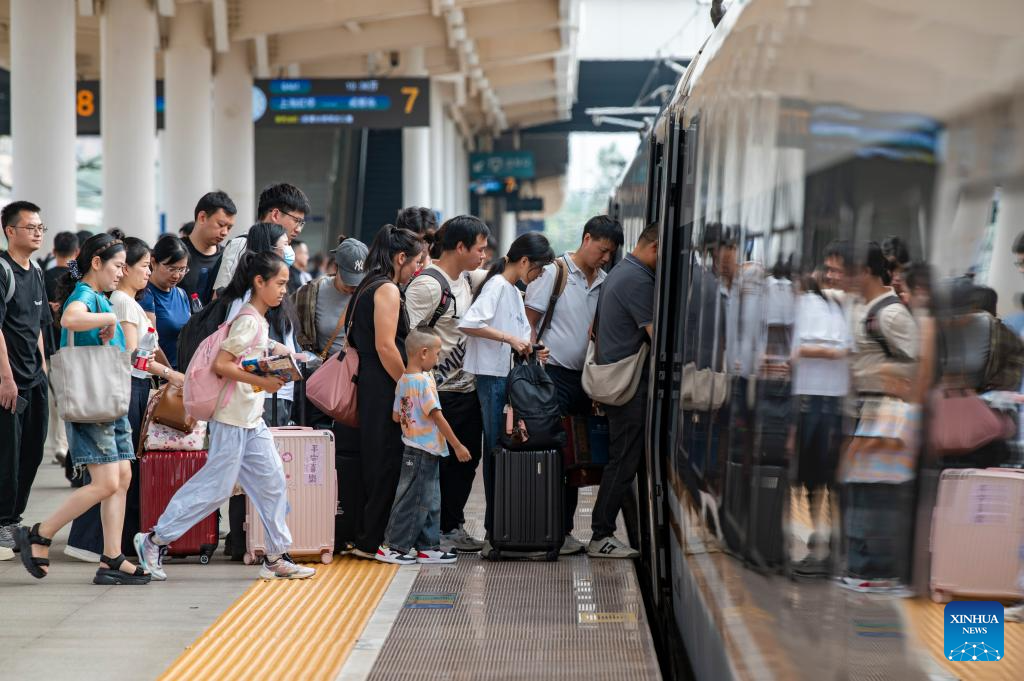
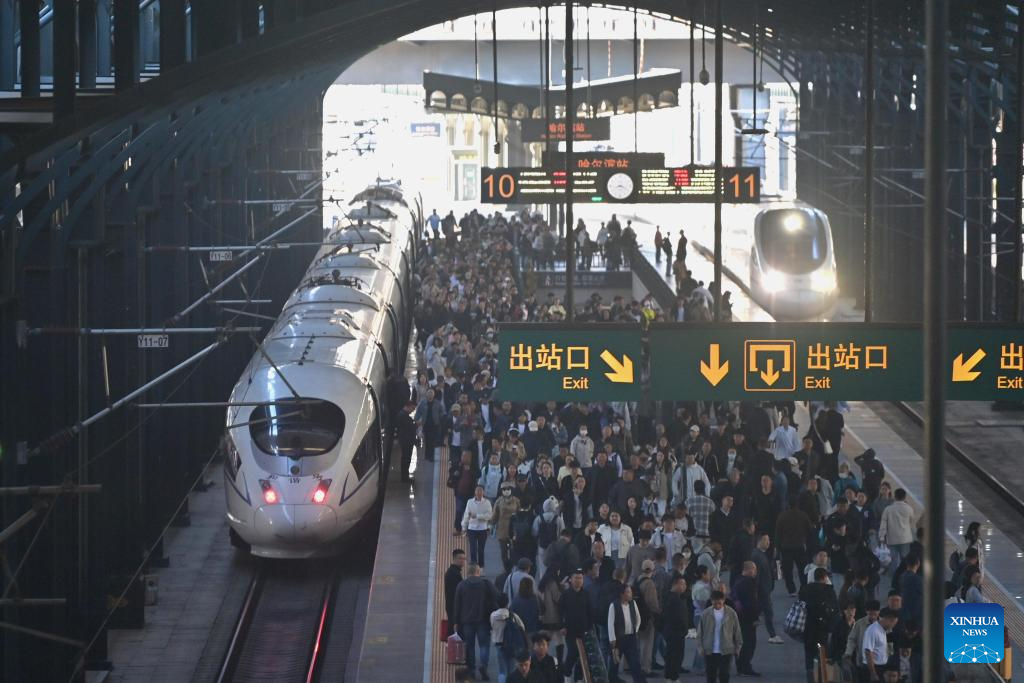
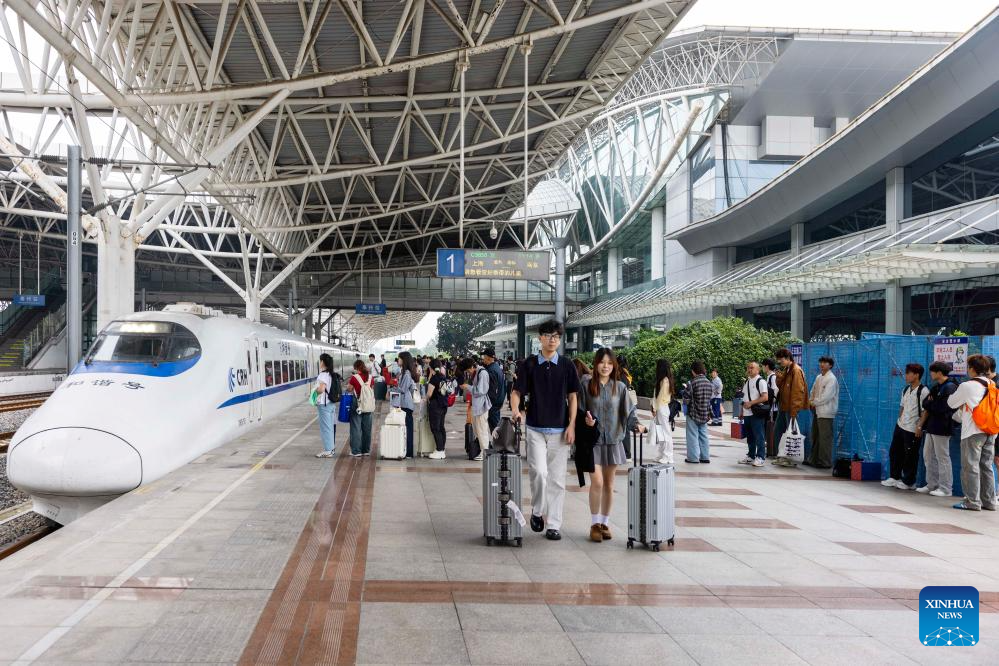
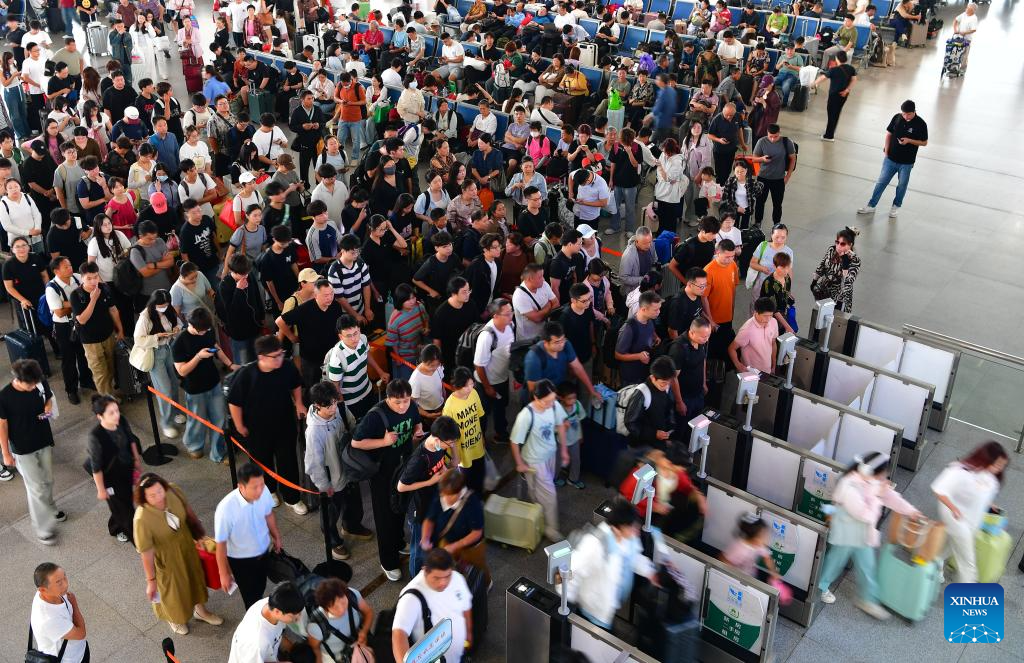
The result? A mass migration: last year saw 765 million domestic trips; 2025 projections exceed that, with 219 million rail journeys alone over a 12-day window (September 29–October 10). High-speed trains will add overnight services, and airlines schedule 115,000+ flights. Book now—tickets go on sale 15 days in advance.
Celebrations Across the Nation: From Parades to Fireworks
National Day kicks off with spectacle in Beijing. While grand military parades occur every decade (next in 2029), expect flag-raising ceremonies at Tiananmen Square, complete with 1,000+ performers in red attire waving national flags. The evening gala on CCTV features song, dance, and celebrity cameos, broadcast nationwide.
Beyond the capital, festivities explode in diversity:
- Fireworks and Light Shows: Over 300 mega light displays illuminate Shanghai’s Bund, Guangzhou’s Pearl River, and Shenzhen’s drone fleets forming the PRC emblem.
- Cultural Extravaganzas: More than 500 events showcase intangible heritage, from Sichuan opera to Uyghur dances in Xinjiang. In Shaanxi, the Sanyuan Diocese blends Catholic traditions with a calligraphy exhibition marking 400 years of Christianity in the province.
- Regional Twists: Hong Kong hosts drone shows and harbor parades; Macau lights up with Sino-Portuguese fusion performances. In rural areas, villages host lion dances and communal feasts.
Mid-Autumn adds poetic flair: Families share mooncakes (lotus seed paste or salted egg yolk varieties) under full moons, symbolizing reunion. In Hangzhou, West Lake boat rides feature lantern releases; in Taiwan (though politically separate), similar vibes prevail with fireworks over Taipei 101.
Social media buzzes with memes and hashtags like #CND (a playful Solana meme coin celebrating the PRC’s “76th birthday”). One viral thread jokes about “Chuan Jianguo” (a pun on Trump meaning “building the nation”), highlighting how global politics weaves into holiday humor.
Tourism Boom: Where to Go (and Where to Avoid)
Golden Week is China’s tourism Olympics—beautiful chaos. Autumn’s crisp air (15–25°C in most regions) and golden foliage make it ideal for exploration, but crowds are legendary. Expect 800 million+ travelers, with Beijing’s Forbidden City capping tickets at 40,000 daily via timed slots.
Top Destinations:
- Beijing: Tiananmen for history buffs; Great Wall hikes at Mutianyu (less crowded than Badaling).
- Shanghai: Bund lights and Yu Garden for Mid-Autumn vibes.
- Guilin/Yangshuo: Karst landscapes via Li River cruises—peak season for bamboo rafting.
- Chengdu: Panda Base (book ahead); spicy hotpot feasts.
- Zhangjiajie: Avatar-inspired peaks, with new eco-trails.
- Sanya (Hainan): Beaches and island-hopping for a tropical escape.
- Off-the-Beaten-Path Gems: Suzhou’s gardens, Jinan’s springs, or Jiuzhaigou’s autumn hues for serenity.
International visitors: Visa-free policies for 240-hour transits in 60+ cities ease entry, but outbound Chinese tourism surges to Southeast Asia and Europe. Hotel prices in hotspots like Shanghai double; rail tickets sell out in hours.
Pro Tip: Use apps like Ctrip or Trip.com for real-time bookings. For authenticity, join a homestay in rural Yunnan for Hakka harvest festivals.
The Flip Side: Crowds, Costs, and Business Disruptions
Golden Week’s allure has a dark side. Iconic sites become sardine cans—think hour-long queues for the Terracotta Warriors. Transportation? A nightmare: Airports swell with 16 million passengers, roads jam for hundreds of kilometers. Prices soar—flights up 50%, hotels 100%.
For businesses, it’s a double-edged sword. Factories halt, ports slow (e.g., Shanghai handles 20% less cargo), disrupting global supply chains. Logistics firms like YY Cargo urge pre-holiday shipments to avoid delays. On X, audiophile brand ddHiFi announced closures from October 1–8, echoing widespread shutdowns.
Environmentally, the influx strains resources—over-tourism in fragile spots like the Yellow Mountains prompts “leave-no-trace” campaigns. Yet, the economic ripple is golden: 2024’s ¥700 billion spend fueled GDP growth; 2025 aims higher with “National Cultural and Tourism Consumption Month” incentives like vouchers in Zhangjiajie.
Insider Tips: Survive and Thrive During Golden Week
Beat the rush with these hacks:
- Book Early: Secure trains/flights 15 days out; hotels 1–2 months ahead.
- Go Local: Skip mega-sites for hidden gems—e.g., Datong’s Yungang Grottoes over the Forbidden City.
- Timing is Key: Arrive pre-October 1 or post-October 8 for 30% fewer crowds and lower prices.
- Pack Smart: Comfortable shoes, portable charger, cash (some spots shun digital payments), and masks for dusty parades.
- Cultural Etiquette: Respect flag ceremonies; avoid political discussions. For Mid-Autumn, gift mooncakes to hosts.
- Health & Safety: Download Alipay/WeChat for seamless payments; check weather apps for regional fog.
If travel’s not your vibe, stay put: Binge the CCTV gala, host a mooncake potluck, or explore local markets for patriotic souvenirs like red lanterns.
Looking Ahead: A Holiday for the Future
As China toasts its 76th National Day, Golden Week 2025 embodies the nation’s spirit—vibrant, resilient, and ever-evolving. From Tiananmen’s echoes of 1949 to 2025’s high-speed escapades, it’s a reminder that progress is a shared journey. Amid global uncertainties, this holiday injects optimism, fostering unity and wanderlust.
Whether you’re waving a flag in Beijing or savoring mooncakes in a quiet courtyard, embrace the joy. Chūnyùn (the pre-holiday rush) may test your patience, but the rewards—familial bonds, scenic wonders, cultural immersion—are priceless. Plan wisely, travel safely, and let the red flags fly high.



Leave a Reply