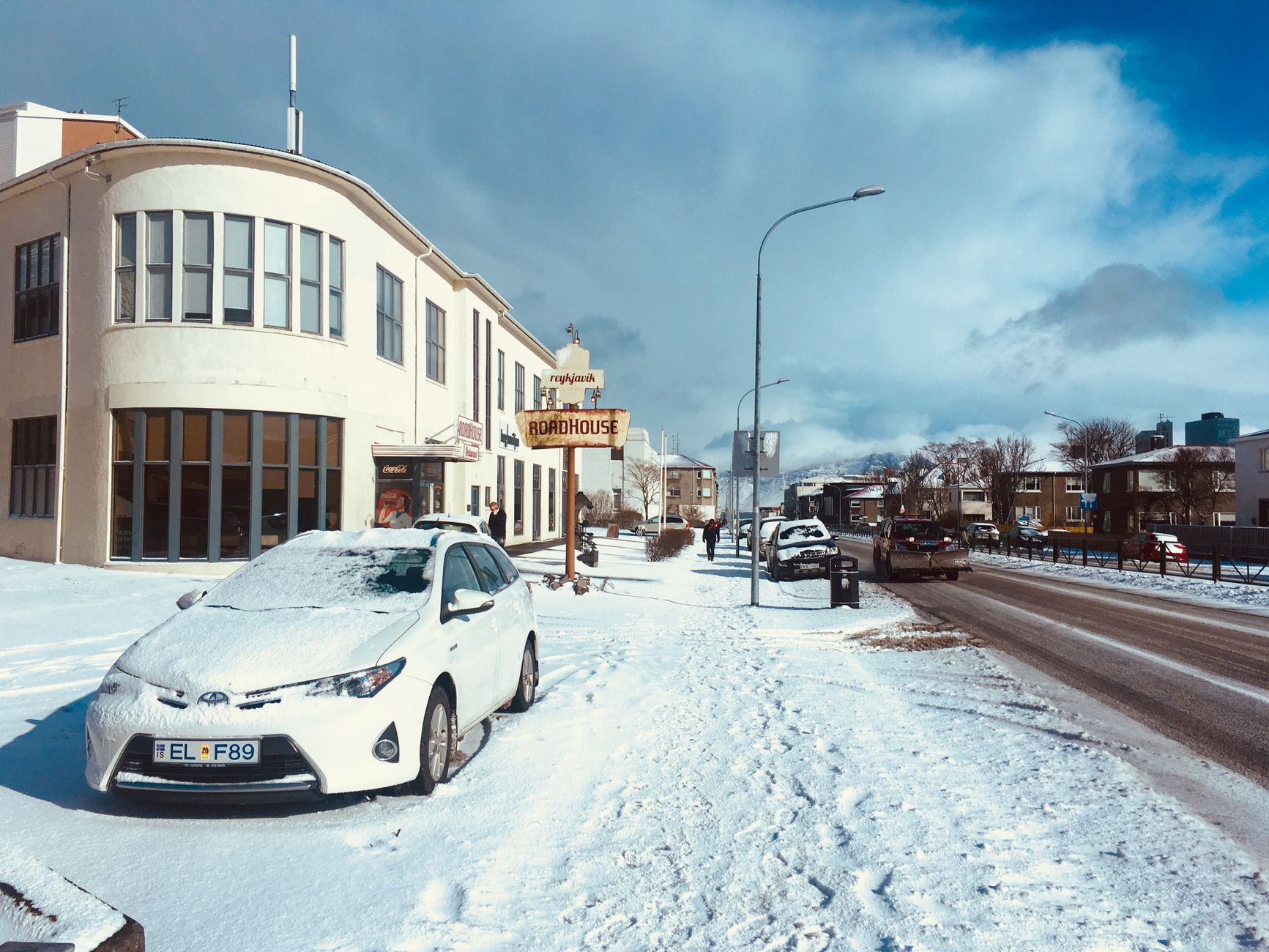
Iceland in winter is spectacular — and unforgiving. The weather can turn from calm to storm-force in hours, daylight is scarce, and road conditions change fast. Every winter, Icelandic authorities issue the same core message: don’t underestimate the weather, don’t overestimate your driving experience, and keep your plans flexible.
Here’s a practical roundup of the safety measures advised by Iceland’s Road Administration, Meteorological Office, Civil Protection Department, and safetravel.is.
Before You Go: Make Checking a Habit
The official principle is simple: don’t fight the weather or the roads. Before any winter trip, cross-check these sources:
- vedur.is — the Icelandic Met Office, for real-time weather and storm warnings
- road.is — the Road Administration, for road closures, surface conditions, and wind speeds
- safetravel.is — the traveler safety hub, where you can register your itinerary so search and rescue knows where you are and when you’re due back
The Civil Protection Department’s “Let’s Get Prepared” handbook, distributed to every household, recommends at least three days of basic supplies: drinking water, non-perishable food and a can opener, medications and a first-aid kit, a flashlight with spare batteries, a battery-powered radio, warm blankets, cash, and a paper list of important phone numbers. For travelers, that translates to keeping extra warm layers, high-calorie snacks, and a power bank in the car — winter daylight is short, and if you break down on a remote stretch, waiting for help can take longer than you’d expect.
On the Road: Black Ice and Doors That Fly Open
The Road Administration warns every autumn: after nighttime temperatures drop, wet roads easily form black ice — ice that looks like ordinary wet asphalt and is nearly invisible before dawn. Official advice: slow down, increase following distance, and avoid sudden braking or sharp steering. If you feel the car losing grip, hold the wheel straight and ease off the accelerator rather than jerking it.
Another overlooked hazard is opening your car door. Icelandic winds regularly reach speeds strong enough to bend door hinges, especially on mountain passes like Hellisheiði. Local mechanics’ advice: grip the handle with both hands so a gust doesn’t rip the door open. Note also that Icelandic law requires headlights on day and night, speeding fines are steep, and driving off-road outside marked trails is strictly prohibited.
If You’re Heading Outdoors: Layers and Avalanche Awareness
The Icelandic Hiking Association and safetravel.is are clear on winter gear: the three-layer system (base layer, insulation, windproof/waterproof shell), hat and gloves, and waterproof hiking boots are the baseline. Crampons (microspikes) are strongly recommended even on town sidewalks, since ice is the norm.
For anyone heading into the mountains, avalanche risk deserves respect. The Met Office issues avalanche danger ratings by region, and Civil Protection orders evacuations when needed. Safetravel.is notes that slopes of 30–50 degrees hold the highest risk, and warning signs include recent avalanches, sustained strong wind, rapid warming, or rain. Official advice for winter hiking: carry an avalanche transceiver, shovel, and probe — the essential trio — and never go alone.
In an Emergency: 112 and Itinerary Registration
Iceland’s unified emergency number is 112, covering police, fire, and rescue. The 112 Iceland app lets you send your GPS coordinates directly to search and rescue. But the most effective measure is prevention: register your travel plan on safetravel.is, and tell your accommodation host or a friend when you expect to return. Iceland’s search and rescue teams (ICE-SAR) are volunteers who launch out into blizzards time and again — and a registered itinerary is often the key to finding someone quickly.
Iceland’s winter doesn’t need to be feared, but it does demand respect. The official advice boils down to one line: stay flexible and be ready to change your plans. If the wind is too strong or the roads too icy, spending the day in a Reykjavík café or soaking in a neighborhood geothermal pool is also a legitimate way to enjoy the Icelandic winter.
Leave a Reply