August 11, 2026
If you’re reading this from Reykjavík, you might have felt the ground tremble this morning—literally. But that tremor is nothing compared to the seismic shifts happening across Icelandic society today. As the nation counts down to a once-in-a-lifetime celestial event and a referendum that could redefine its future, here is your comprehensive news roundup from the land of fire and ice.
The Calm Before the Eclipse
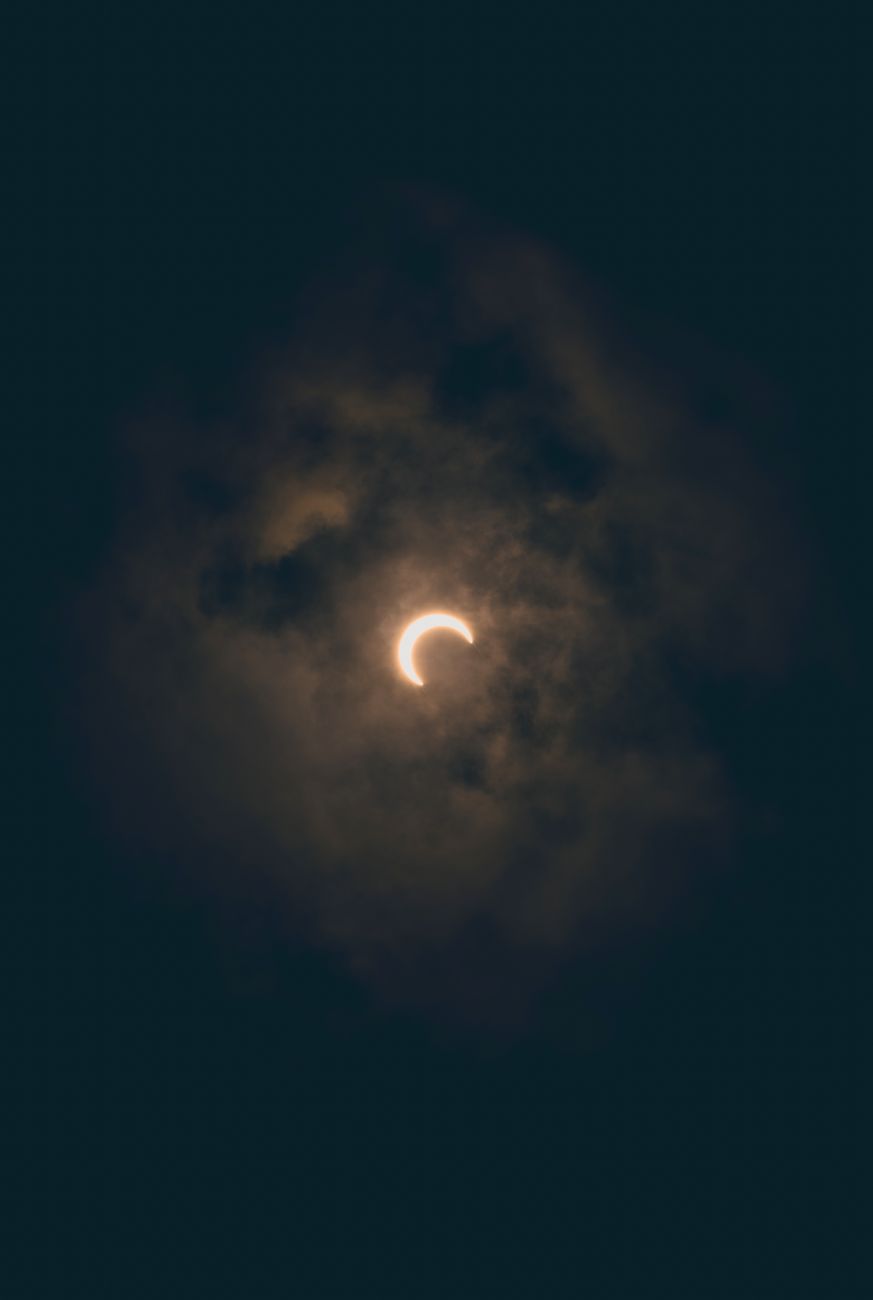
Iceland is just hours away from witnessing its first total solar eclipse since 1954—and the first visible from Reykjavík since 1433. The celestial event, set to occur on August 12, has transformed the country into a global hotspot, drawing an estimated 75,000 foreign visitors alongside 53,000 cruise passengers.
The western Snæfellsnes Peninsula is expected to offer one of the best vantage points in the world. In the fishing village of Hellissandur—home to just 400 people—preparations are underway for a dramatic influx of eclipse chasers. The five-day Iceland Eclipse Festival at the foot of the Snæfellsjökull glacier has attracted an eclectic mix of attendees. Festival director Mitch Morales describes it as a gathering that “attracts the astrology crowd and the astronomy crowd. We have a lot of astronauts and astrophysicists. We also have a lot of spiritual leaders and people that are exploring the edges of consciousness”.
Hotels have reportedly been booked months—and in some cases years—in advance. Occupancy in the path of totality is at 80%, up from 61% last year, and Reykjavík rates have roughly doubled. The tourism board’s strategy of “profitability over numbers”—spreading visitors off-season and away from the coast—has been upended by the eclipse’s fixed date and location. Industry leaders are calling it a marketing win regardless, betting on visibility now and redistribution later.
The eclipse has even inspired a special performance: Icelandic icon Björk is scheduled to perform during the Solar Eclipse Festival in Hafnarfjörður.
The Earth Trembles
Before the sky goes dark, the earth reminded Icelanders of its restless nature. This morning, a magnitude 3.0 earthquake struck the Irminger Sea near the coast of Iceland at 8:40 AM local time. The quake, at a shallow depth of 9.8 kilometers, occurred approximately 44 kilometers southwest of Hafnir and 88 kilometers from Reykjavík. It was not widely felt, but it serves as a reminder of the volatile geology that defines this nation.
Earlier in the morning, at 8:32 AM, a magnitude 2.3 earthquake was recorded in the same region. Another 2.3-magnitude tremor struck at 4:39 AM near Hábunga. These seismic events come on the heels of a volcanic eruption on the Reykjanes Peninsula earlier this month—the fourth eruption to hit the region since December, with fountains of molten rock soaring from fissures between Stóra Skógfell and Hagafell.
The EU Referendum: A Nation Divided
With just 18 days until the August 29 referendum on whether Iceland should reopen European Union accession talks, the debate has reached fever pitch.
Yesterday, former EFTA Court President Carl Baudenbacher delivered a lecture at the Sjálfstæðissalurinn in Reykjavík, drawing a full house. His conclusion was stark: much of the economic and political development within the EU is unfavorable to Iceland, and the country’s current EEA and EFTA membership is far more advantageous than full EU membership. Baudenbacher also highlighted how decision-making within the EU is dominated by its largest states, leaving Iceland with minimal influence. Former President Ólafur Ragnar Grímsson opened the event, and Baudenbacher received a standing ovation.
Polls show the nation is almost perfectly divided on the issue. At stake are control over fisheries, the potential adoption of the euro, and security concerns in a changed geopolitical environment. The Icelandic government has explicitly warned the European Commission not to interfere in the referendum.
A new book, Iceland before the EU-referendum of August 29, 2026, co-authored by Carl Baudenbacher and Laura Melusine Baudenbacher, has also been released.
The Economy: Inflation, Interest Rates, and Trade
The economic landscape remains challenging. Landsbankinn economists expect Iceland’s Central Bank to raise interest rates on August 19, as inflation remains stubbornly high. The bank forecasts that annual inflation will remain unchanged at 5.3% in August—more than double the Central Bank’s 2.5% target.
Higher global oil prices, rising airfares, hikes in tuition fees at the University of Iceland, and increased payments for primary healthcare visits are among the factors expected to keep inflation elevated.
On a more positive note, Iceland’s trade deficit narrowed to a four-month low in July. Exports remained flat at ISK 949.5 billion, while imports fell by 5%.
In the business sector, Amaroq Ltd. —an independent mine development company listed on the LSE and NASDAQ Iceland—announced the commencement of its 2026 resource drilling programme at the Nanoq gold project in Greenland. Meanwhile, Kvika banki is set to publish its Q2 financial results on Wednesday.
Tourism: Record Crowds and Rescue Operations
The eclipse has pushed Iceland’s tourism infrastructure to its limits. The country has spent 15 years trying to fix overtourism, but the eclipse has undone that work in a single weekend. Hotels on the west coast have been sold out for six months. Reykjavík bookings rose just 16%, but rates roughly doubled, with STR ADRs up 56%.
The influx has also strained rescue services. On Sunday night, all rescue teams in the Árnessýsla region were called out around 9 PM after a tourist injured his leg near Háifoss. The man was hiking alone in the gorge below the waterfall—an area with no mobile phone coverage. Another group of tourists found him, but the rescue operation proved challenging. The Coast Guard helicopter was dispatched, and approximately 20 rescue volunteers reached the injured man by 12:30 AM. He was carried by stretcher to an ambulance at around 2 AM and taken for medical treatment. Rescue teams also had to retrieve the man’s vehicle.
Crime and Public Safety
A homicide investigation continues in Kópavogur. A resident living near Vallargerði reported seeing two men dressed entirely in black enter a house at Vallargerði 35. Police believe the death resulted from a criminal act. More than one person is in police custody following the incident. The victim died at Landspítali National University Hospital.
Reykjavík officials are also considering expanding CCTV coverage in the city centre and launching a neighbourhood watch programme following a recent increase in burglaries. Police say the number of break-ins has already begun to decline after several arrests.
Sports: KR Reykjavík Soars
In football, KR Reykjavík secured a commanding 5-2 victory over Fram Reykjavík in the Besta deild karla (Icelandic Premier League). The win moved KR into second place in the league standings.
In handball, Valur and FH—who contested a thrilling national championship final this spring—will both compete in the European League next season.
Culture and Society
Reykjavík Pride, one of the country’s most colorful festivals, ran from August 4-9. The parade took place on August 8.
On August 8, tens of thousands of women in Iceland—including the prime minister—walked off the job to demand equal pay and protest violence against women. Iceland already tops the World Economic Forum’s ranking for gender equality, but activists continue to push for progress.
The Kveldúlfur music festival is being held for the second time on Hjalteyri. Organizer Sara Bjarnason says the goal is for people to trust in the atmosphere.
Looking ahead, Culture Night—Reykjavík’s largest anniversary and partner festival—will be held on August 22.
Weather Watch
Tuesday’s weather across Iceland is mixed. Reykjavík is expected to see light rain with temperatures between 11°C and 14°C. Keflavík may experience light rain turning to moderate rain, with temperatures around 10°C to 13°C. Winds are generally light to moderate, coming from the southeast or northeast.
Looking Ahead
Tomorrow, all eyes—protected by ISO-certified eclipse glasses, of course—will turn skyward. The next total solar eclipse visible from Iceland isn’t expected until 2196. For a country of fewer than 400,000 people bracing for over 120,000 additional visitors, August 12, 2026, will be a day long remembered.
And in 18 days, Icelanders will head to the polls to decide their European future. Whether the nation chooses Brussels or continues its independent path, one thing is certain: Iceland is a country where the earth shakes, the sky darkens, and history is made—all in a single day.
Leave a Reply