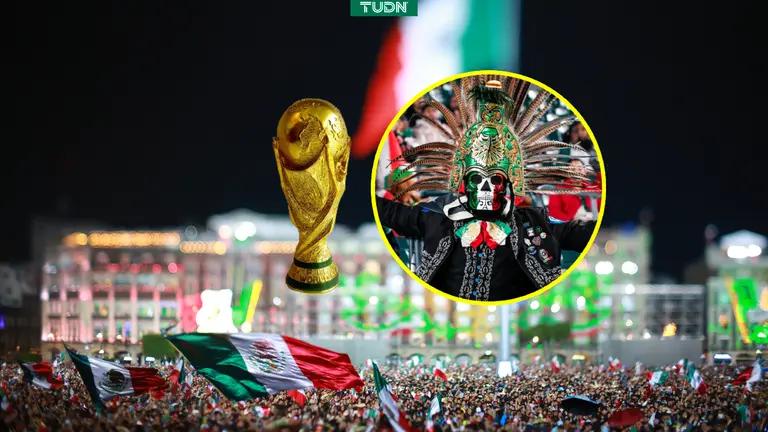
The wait is over, and the beautiful game has returned to North America in a way we’ve never seen before. The 2026 FIFA World Cup is here, and it is already shattering records, sparking debates, and delivering unforgettable drama.
From the iconic Estadio Azteca in Mexico City to the bright lights of the MetLife Stadium in New Jersey, this summer’s tournament is the most ambitious, controversial, and largest World Cup in history. Let’s dive into a comprehensive roundup of everything you need to know about this global spectacle.
The Big Picture: A Super-Sized World Cup
This isn’t your grandfather’s World Cup. For the first time ever, the tournament has expanded from 32 to a staggering 48 teams, making it the largest edition in history. This expansion has increased the total number of matches from 64 to a massive 104, extending the tournament to just under six weeks of non-stop action.
The scale is unlike anything we’ve seen before, spreading the beautiful game across three nations: the United States, Mexico, and Canada. This marks the first time a World Cup has ever been co-hosted by three countries, bringing the tournament back to the Americas for the first time since 1994.
The 48-Team Format: How It Works
With so many teams involved, you might be wondering how the tournament is structured. Here’s a simple breakdown:
- More Teams, More Groups: The 48 teams are divided into 12 groups of four, instead of the traditional eight groups.
- Path to the Knockouts: The top two teams from each group automatically advance to a new “Round of 32” knockout stage.
- The Third-Place Path: In a major twist, the eight best third-placed teams from across all 12 groups will also advance, meaning a whopping 32 teams will qualify for the knockout rounds.
This new format increases the chances for underdogs to make a deep run, promising more drama and Cinderella stories as the tournament progresses.
Host Cities & Iconic Venues
The tournament is spread across 16 dynamic host cities, each bringing its own unique flavor to the World Cup. The United States serves as the primary host with 11 venues, while Canada has 2 and Mexico has 3.
- Mexico’s Stadia: The legendary Estadio Azteca in Mexico City kicks off the tournament on June 11, becoming the first venue to host the opening match of three different World Cups (1970, 1986, and now 2026).
- Canada’s Debut: Canada is co-hosting for the very first time, with matches at BMO Field in Toronto and BC Place in Vancouver.
- U.S. Hub: The United States will host the majority of matches across cities like Atlanta, Dallas, Los Angeles, Miami, and Seattle. The grand finale will be held on July 19 at MetLife Stadium in East Rutherford, New Jersey.
On-Field Action: Early Thrills & Contenders
The first matches have already delivered high-octane excitement and fascinating results.
Key Results so far:
- Brazil 1-1 Morocco: In a Group C opener at MetLife Stadium, pre-tournament favorites Brazil were held to a surprising 1-1 draw. Vinicius Junior equalized for Brazil, but Ismael Saibari had given the resilient Atlas Lions a shock lead.
- Qatar 1-1 Switzerland: In San Francisco, the 2022 hosts, Qatar, earned a respectable draw against a strong Swiss side in Group B.
- Scotland Makes a Statement: In the same Group C, Scotland announced their return to the World Cup with an emphatic 4-0 victory over Haiti, temporarily propelling them to the top of the table.
Stars to Watch
The race for the prestigious Golden Ball, awarded to the tournament’s best player, is wide open with a host of global superstars vying for the honor. The favorites include:
- Kylian Mbappé (France): The French captain and 2022 Golden Boot winner is a top contender, looking to add the final piece to his illustrious World Cup collection.
- Lamine Yamal (Spain): The 18-year-old Spanish sensation has already broken numerous records and is being tipped as a potential breakout star of the tournament.
- Harry Kane (England): The prolific English captain is always a threat for the Golden Boot and will be crucial to any deep run by the Three Lions.
- Lionel Messi (Argentina): The defending champion’s legend continues at 38 years old. After his historic Golden Ball win in 2022, can he defy expectations once more?.
The Economics of a Mega-Event
A tournament of this size comes with an immense economic footprint. While the numbers are staggering, their real-world impact is a subject of intense debate.
- The Billion-Dollar Numbers: A joint study by FIFA and the WTO projects the gross economic output across the three host nations to be a massive $80.1 billion. The tournament is also expected to contribute $40.9 billion directly to the global GDP and support an estimated 824,000 full-time jobs.
- Mixed Reality Check: Despite the projections, some economists urge caution. Many of the infrastructure costs are already sunk, and Deutsche Bank noted that the economic lift in the massive U.S. economy could be as small as 0.05% of GDP. Victor Matheson, a sports economics professor, told Newsweek that the economic impact “is likely to be a fraction” of what’s being advertised. However, some local economies are seeing big boosts, with Los Angeles anticipating a $594 million impact and hosting cities expecting billions in new tax revenue.
Controversies and Challenges Off the Pitch
A tournament of this magnitude has not been without its fair share of controversy, often overshadowing the on-field action.
- Geopolitical Tensions: This is the first World Cup where a host nation (the United States) is at war with a participating nation (Iran), creating unprecedented political complexity and safety concerns for the Iranian squad.
- Ticket and Pricing Woes: Critics have accused FIFA of price gouging and a lack of transparency regarding ticket sales. This has led to visible empty seats in stadiums for some matches, even as organizers claim tickets have been sold. The presence of unsold tickets in the weeks before kick-off added to the concern.
- Technological Hiccups: The tournament’s heavy reliance on VAR has already led to several major controversies, with referees being forced to make public announcements to confused crowds and players. A viral moment occurred when a VAR review for potential offside in the Switzerland vs. Qatar match lacked the usual 3D imaging, leading to widespread confusion and skepticism from experts and fans alike.
The Lighter Side: Viral Moments
Amid the high stakes and serious debates, the World Cup has also provided some pure, unadulterated joy.
- The Unofficial Mascot: A pet duck named Pepe, decked out in a tiny Mexico jersey, became an internet sensation as he waddled to the stadium for Mexico’s opening match, bringing smiles to millions online.
- VAR Goes Viral: A Brazilian referee’s attempt to explain a VAR decision over the stadium loudspeaker was met with such confusion due to his strong accent that it became the tournament’s first major meme.
- A Police Officer’s Hidden Talent: A Boston police officer, surrounded by boisterous Scottish fans, was caught on camera showing off his formidable soccer juggling skills in a clip that quickly went viral across social media.
The Road Ahead
The 2026 World Cup has only just begun, and the early action has set the stage for what promises to be an extraordinary and unpredictable tournament. With 104 matches to be played, the road to the final at MetLife Stadium on July 19 is long and winding. Will a traditional powerhouse reclaim its throne, or will a new challenger rise amidst the chaos of the expanded format?
Stay tuned for more updates as the drama continues to unfold across North America. The beautiful game is back, bigger than ever.
Leave a Reply