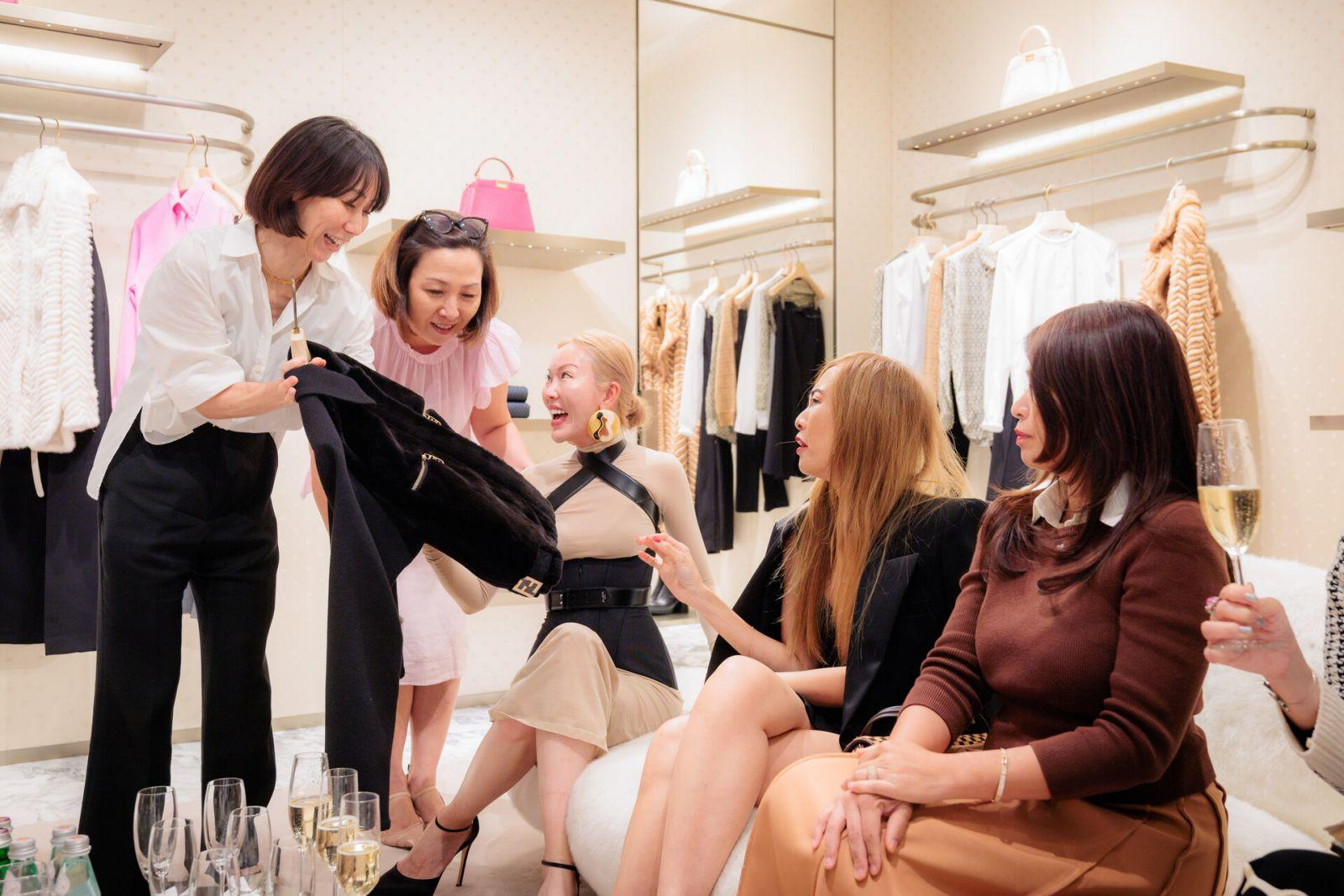
For nearly three years, quiet luxury dominated fashion conversations around the world.
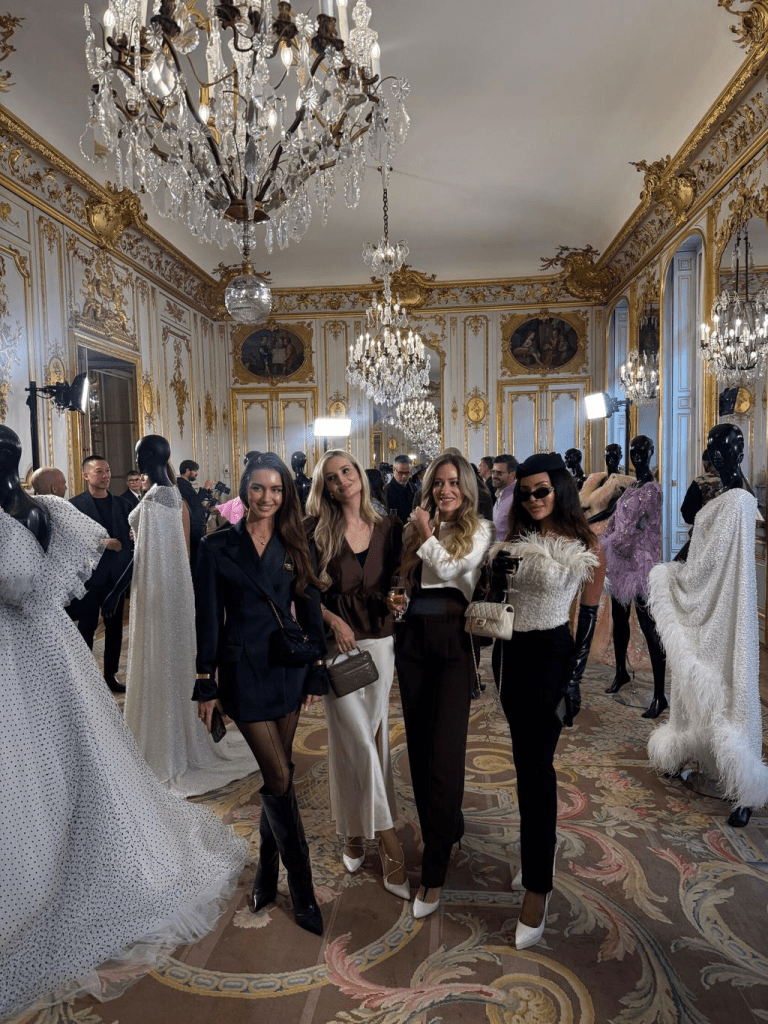
The movement encouraged consumers to embrace timeless wardrobes, subtle sophistication, premium craftsmanship, and understated elegance. Logos became smaller, silhouettes became cleaner, and fashion enthusiasts increasingly gravitated toward investment pieces rather than trend-driven purchases.
But as Summer 2026 unfolds, luxury fashion is entering another phase of evolution. The conversation is no longer focused solely on what consumers wear. Instead, it is increasingly centered on how they experience luxury. This shift has given rise to one of the most important developments in modern fashion: experiential luxury.
Consumers today are looking beyond products. They want meaningful interactions, personalized services, exclusive access, immersive retail environments, and emotional connections with brands.
Luxury is becoming less about ownership and more about participation. The result is a transformation that is reshaping the entire luxury industry.
Understanding the Quiet Luxury Movement
Before exploring experiential luxury, it is important to understand the foundation created by quiet luxury. Quiet luxury emerged as a reaction to years of highly visible branding and social-media-driven consumption.
Consumers began favoring:
- Exceptional materials
- Minimal logos
- Timeless tailoring
- Sophisticated silhouettes
- Long-term wardrobe investments
The trend gained momentum among affluent shoppers who wanted clothing that reflected confidence rather than conspicuous consumption.
Fashion consultants frequently described quiet luxury as “wealth whispered instead of shouted.”
Consumers embraced the philosophy because it aligned with changing values around sustainability, longevity, and personal taste.
However, while quiet luxury successfully redefined product choices, it did not fully address a deeper consumer desire for connection and experience.
That is where experiential luxury enters the picture.
The New Definition of Luxury
Historically, luxury was measured through ownership. The more exclusive the product, the greater its perceived value. Today’s consumers increasingly define luxury differently.
Luxury now includes:
- Time
- Access
- Personalization
- Exclusivity
- Meaningful experiences
Fashion executives have observed that consumers are often willing to pay more for memorable experiences than for additional products.
One luxury retail strategist recently explained:
“Consumers want stories they can tell, not just products they can display.”
This statement perfectly captures the direction of the industry.
Ownership still matters, but experiences are becoming equally important.
Why Consumers Are Prioritizing Experiences
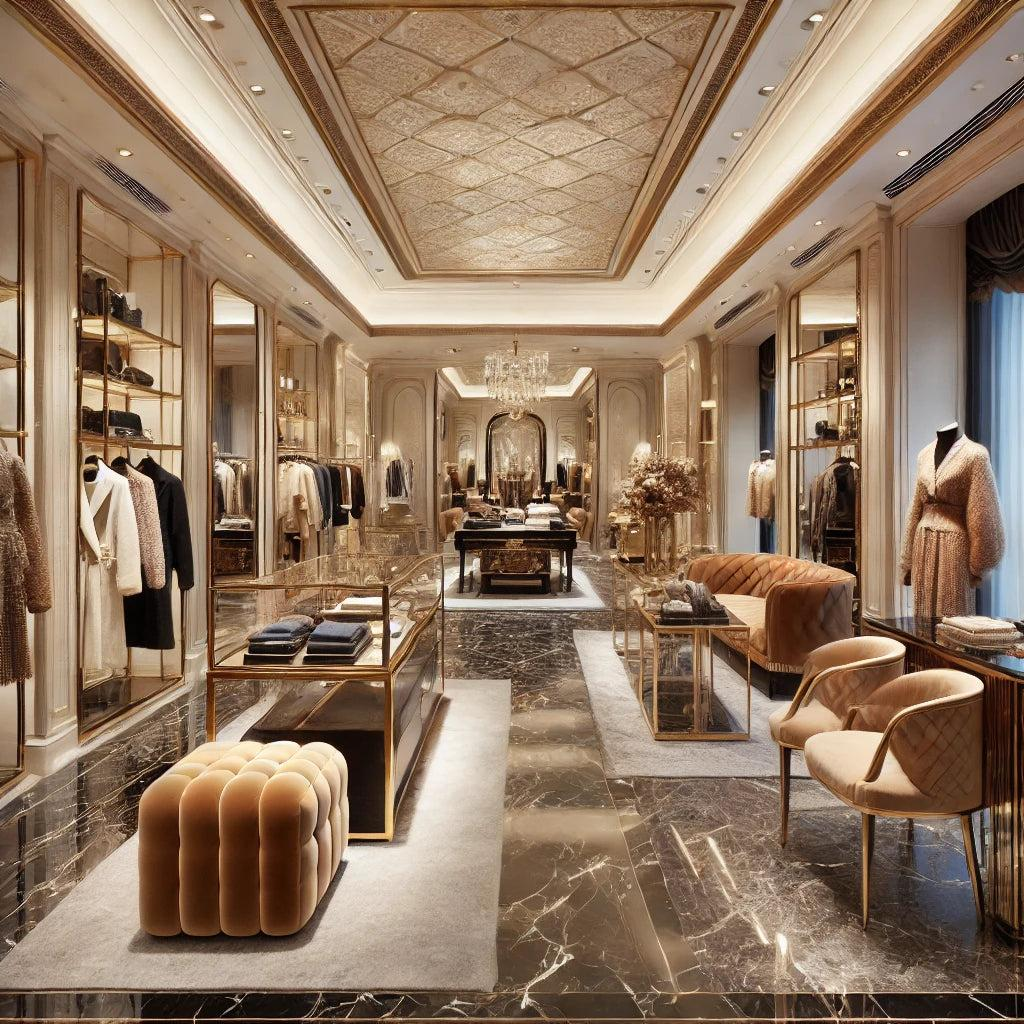
Several cultural shifts are driving this transformation.
The Experience Economy
Modern consumers increasingly prioritize experiences over possessions. Travel, wellness, dining, entertainment, and exclusive events have become major spending categories. Fashion is following the same trajectory. Consumers want luxury purchases to feel memorable rather than transactional.
Digital Saturation
People spend countless hours interacting online. As a result, physical experiences have become more valuable. Luxury brands are responding by creating immersive environments that cannot be replicated digitally.
Emotional Connection
Research consistently shows that emotional engagement increases brand loyalty. Consumers who feel connected to a brand are more likely to remain loyal over time. Experiential luxury strengthens those emotional bonds.

The Rise of Private Shopping Experiences
One of the clearest examples of experiential luxury is the growth of private shopping. Luxury retailers are investing heavily in:
- Private appointments
- VIP salons
- Personal stylists
- Exclusive previews
- Custom consultations
These services transform shopping into a personalized event. Customers receive tailored recommendations, direct access to collections, and individualized attention. A luxury client advisor recently commented:
“The goal is no longer to sell a product. The goal is to create a relationship.”
This relationship-driven approach is proving highly effective.
Fashion Events Are Becoming More Exclusive
Fashion brands are increasingly creating invitation-only experiences for loyal customers.
Examples include:
- Collection previews
- Designer meet-and-greets
- Private runway presentations
- Cultural exhibitions
- Brand-hosted dinners
These events create a sense of belonging that traditional retail cannot replicate.
Consumers appreciate being part of a community rather than simply purchasing products. The emotional value generated by these experiences often exceeds the value of the products themselves.
Personalization Is the New Status Symbol
One of the defining characteristics of experiential luxury is personalization. Consumers increasingly seek products and services tailored specifically to them.
Luxury brands are responding through:
- Monogramming
- Custom sizing
- Bespoke tailoring
- Personalized recommendations
- Limited-edition customization
Industry experts suggest that personalization has become a modern form of exclusivity. Rather than owning the same product as everyone else, consumers want something uniquely theirs. This desire for individuality is shaping future luxury strategies.
Luxury Retail Spaces Are Being Reinvented
Luxury stores are evolving dramatically. Traditional retail environments focused primarily on displaying products. Today’s flagship locations function more like cultural destinations.
Features increasingly include:
- Art installations
- Hospitality lounges
- Cafés
- Wellness spaces
- Exhibition areas
These additions encourage visitors to spend more time engaging with brands. Retail designers are creating environments that stimulate curiosity and emotional connection. Consumers increasingly view luxury boutiques as destinations rather than stores.
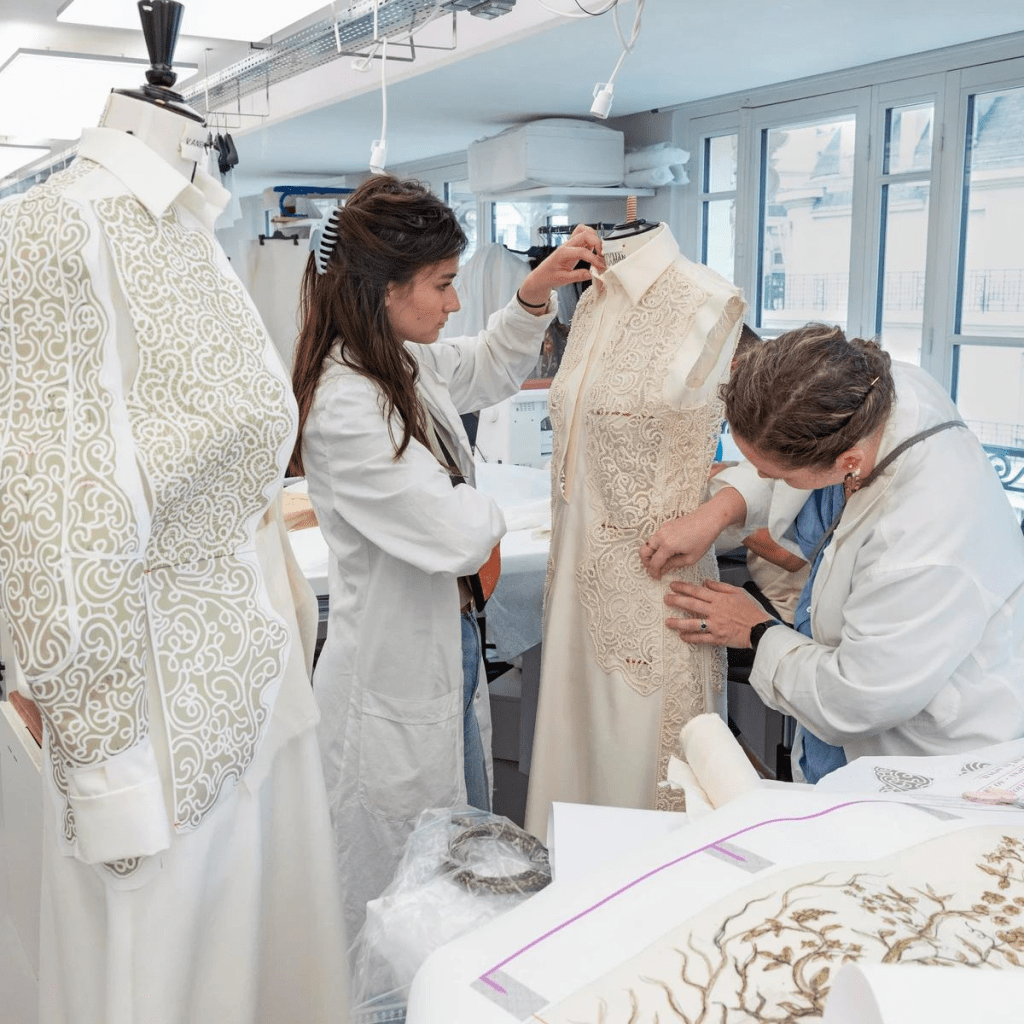
Craftsmanship Demonstrations Create Authenticity
Modern consumers want transparency. They want to understand how products are made and why they are valuable. Brands are responding by showcasing craftsmanship more visibly.
Popular initiatives include:
- Live artisan demonstrations
- Atelier tours
- Behind-the-scenes presentations
- Educational workshops
- Craftsmanship exhibitions
These experiences help consumers appreciate the skill involved in luxury production.
One artisan interviewed during a recent luxury event explained:
“When people see how much work goes into a piece, they connect with it differently.”
That connection often strengthens purchasing decisions.
The Influence of Younger Luxury Consumers
Generation Z and younger Millennials are accelerating the shift toward experiential luxury.
These consumers tend to prioritize:
- Authenticity
- Community
- Self-expression
- Experiences
- Values-based purchasing
Many younger shoppers view luxury products as extensions of broader lifestyle experiences. They are often more interested in how brands make them feel than what brands represent. Fashion marketers increasingly focus on creating immersive experiences that resonate emotionally. This strategy aligns closely with younger consumer expectations.
Technology Is Enhancing Luxury Experiences
While experiential luxury emphasizes human connection, technology is playing an important supporting role. Luxury brands are using technology to improve personalization through:
- AI-assisted styling
- Digital appointments
- Virtual previews
- Clienteling platforms
- Exclusive digital access
Technology allows brands to anticipate consumer preferences and deliver more relevant experiences.
Importantly, technology is being used to enhance human interaction rather than replace it. The most successful luxury brands balance innovation with personal service.
Luxury Travel and Fashion Are Converging
Another significant trend involves the intersection of fashion and travel. Luxury brands increasingly create destination-based experiences.
These may include:
- Resort activations
- Fashion retreats
- Exclusive travel experiences
- Cultural partnerships
- Luxury pop-up events
Consumers appreciate opportunities to engage with brands in memorable settings. The result is deeper emotional engagement and stronger brand loyalty. Fashion is becoming part of a broader lifestyle ecosystem.
Why Experiential Luxury Matters for Brands
Experiential luxury provides several advantages.
Stronger Customer Loyalty
Meaningful experiences create emotional memories.
Those memories often translate into long-term loyalty.
Differentiation
Products can be copied.
Experiences are far more difficult to replicate.
Higher Customer Lifetime Value
Consumers who feel connected to brands typically spend more over time.
Enhanced Brand Storytelling
Experiences allow brands to communicate values, heritage, and craftsmanship more effectively.
These benefits explain why experiential strategies are becoming increasingly important.
The Future of Luxury Fashion
Industry observers expect experiential luxury to continue expanding throughout the remainder of the decade.
Future developments may include:
- Hyper-personalized services
- Immersive retail environments
- AI-enhanced client experiences
- Luxury membership communities
- Exclusive cultural partnerships
The emphasis will remain on creating emotional value.
Products will continue to matter, but experiences will increasingly define premium brand positioning.
Luxury is evolving from something consumers own to something they actively participate in.
Final Thoughts
The transition from quiet luxury to experiential luxury represents one of the most significant shifts in modern fashion.
While quiet luxury emphasized timeless products and understated elegance, experiential luxury expands the conversation by focusing on how consumers engage with brands.
Today’s luxury customer wants more than exceptional craftsmanship.
They want meaningful interactions, personalized experiences, authentic storytelling, and emotional connection.
The brands that succeed in 2026 are those that understand this evolution.
Luxury is no longer defined solely by exclusivity or price.
It is defined by how a brand makes people feel.
As the industry continues to evolve, experiential luxury is poised to become one of the defining forces shaping the future of fashion, retail, and consumer behavior.
Leave a Reply