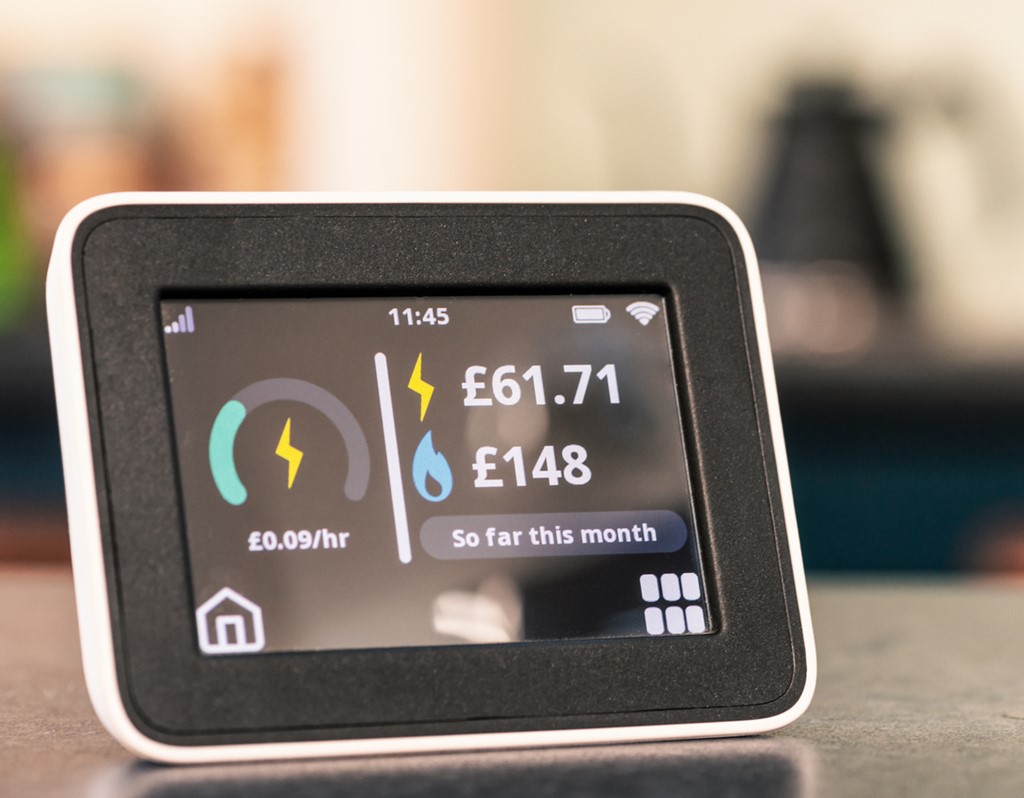
Energy firms in the United Kingdom are holding on to overpaid cash from millions of households, but many customers don’t realise that they might be able to reclaim a chunk of it.
The funds have been built up by customers who pay a set amount by direct debit each month.
The amount they pay is set by their energy company and is usually worked out by taking their estimated annual usage and dividing it by 12.
It means that customers can budget easily, knowing they pay the same amount each month.
But, if the energy firm’s estimate exceeds their actual usage, credit builds up.
For example, in the summer months, they might use less, meaning they build up credit, while in the winter, they might use more and end up in debit.
Why is now the time to reclaim it?
MoneySavingExpert’s Martin Lewis says that May is the perfect time to check if credit is still sitting in your account because it’s when many households start coming out of high-use months.
This means it’s the time that your level of credit should be at its lowest or your level of debt should be at its highest.
If you still have a significant amount of credit on your account, it could be time to claim some of it back.
Lewis’s rule of thumb is to have just over a month and a half’s credit in your account, so anything over that could be worth reclaiming.
“In normal times a month would do it, but with the energy price cap due to rise in July by possibly 13%, a little bit spare to help cover cost increases is worth it,” he said.
How can you get your money back?
If you think you have too much credit, you have to get in touch with your energy company to request a refund.
But before you do, you ask why you have built up so much credit, as sometimes the firm may have a legitimate reason for it.
You should also submit an up-to-date meter reading and make sure the calculations your energy firm has done match your energy use.
If they do, you can ask your energy company to refund the credit in your account.
Suppliers must refund any extra credit if you ask for it or explain clearly why they won’t.
If it won’t, Lewis suggests that you make a formal complaint, and if it rejects that, escalate it to the free Energy Ombudsman to adjudicate.
Leave a Reply