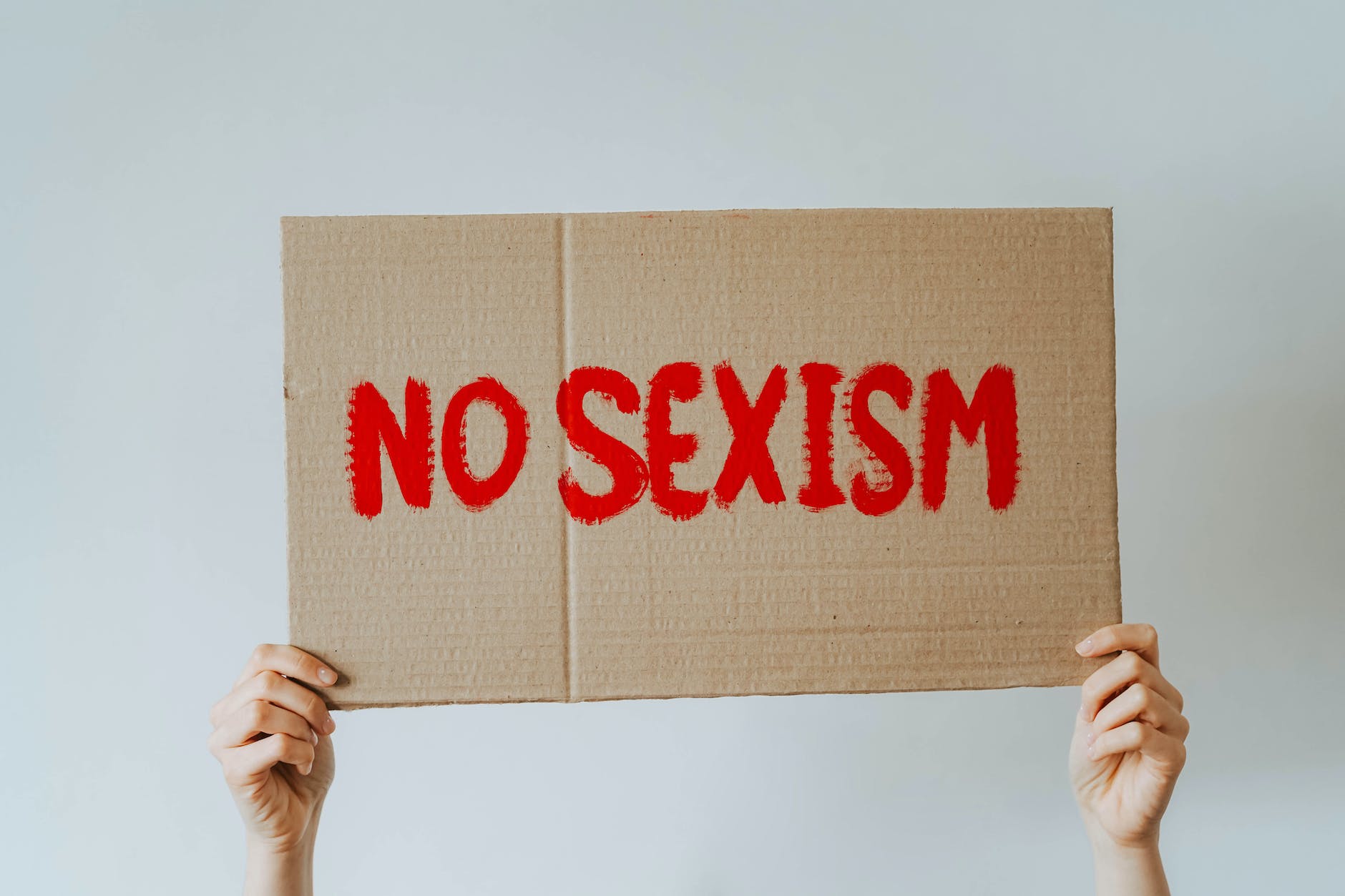
This refers to beliefs and behaviors that are openly hostile toward a group of people based on their sex or gender. Misogyny, or the hatred of women, is an example of hostile sexism.
People who hold views that are hostile and sexist may view women as:
- manipulative
- deceitful
- capable of using seduction to control men
- needing to be kept in their place
These views may also apply to anyone with feminine traits and anyone who expresses their gender in a way that is associated with femininity.
People who perpetuate hostile sexism want to preserve men’s dominance over women and people of other marginalized genders. They typically oppose gender equality and may also oppose LGBTQIA+ rights, seeing these things as a threat to men and the systems that benefit them.
Impact
Hostile sexism is dangerous. According to 2019 research, it is a risk factor for sexual harassment and gender-based violence.
A 2015 study found that men who endorsed hostile sexism were more likely to be physically abusive toward their partners, with alcohol use — another common risk factor — having less of an effect on rates of intimate partner violence among this group. This suggests that hostile sexism is a powerful driver of abuse in relationships.
A 2019 study in Indonesia also found a positive link between hostile sexism and sexual assault. People who endorsed hostile sexism were more likely to believe in “rape myths” that place the blame for sexual assault on the victim, not the perpetrator.
Examples
Examples of hostile sexism include:
- using sexist language or insults
- making threatening or aggressive comments based on a person’s gender or sex
- harassing or threatening someone for defying gender norms, online or offline
- treating people as subordinates based on their sex or gender and punishing them when they “step out of line”
- believing that some victims of sexual assault “ask for it” due to their behavior or clothing
- engaging in physical or sexual assault
Leave a Reply