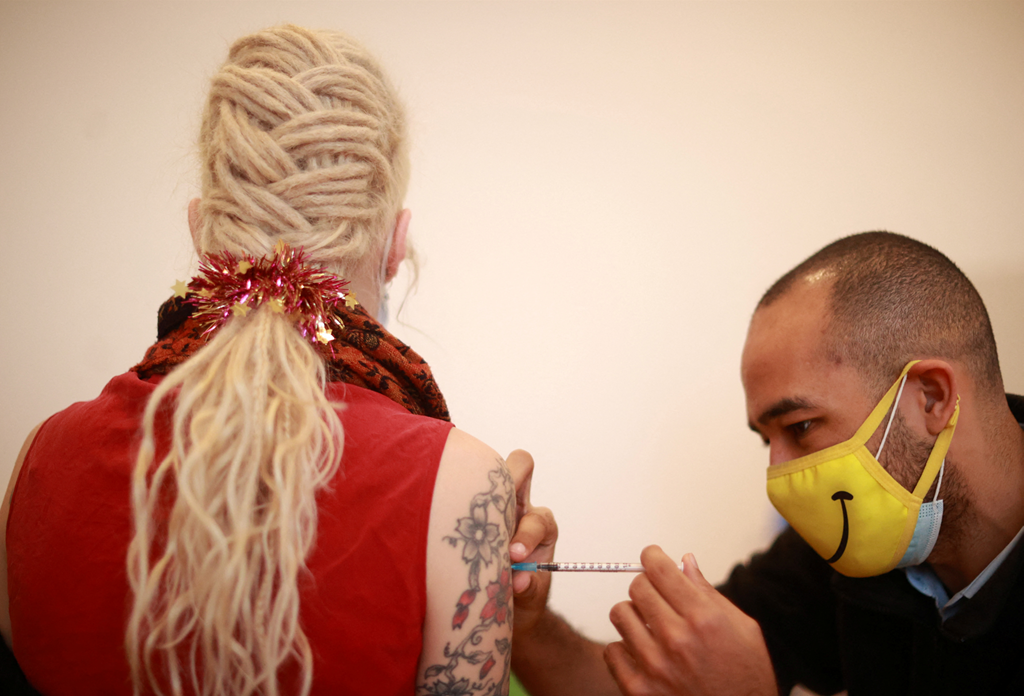
Three sets of data help to show the vaccine programme was a success, the counsel to the UK COVID-19 inquiry says.
Hugo Keith KC refers first to Public Health England, which estimated 44,500 hospitalisations and 14,000 deaths were averted by the vaccine rollout by June 2021.
To broaden out his point, he cites a World Health Organisation study, which found an estimated 22,000 deaths were avoided between December 2020 and November 2021 in Scotland.
The UK Health Security Agency, meanwhile, said more than 23 million infections and 123,000 deaths were prevented by September 2021 across the UK – nine months after the rollout began.
It’s of the “utmost importance”, Mr Keith says, that by the “particular metric of the need to protect at population level” the vaccine programme “succeeded”.
UK averted most deaths in Europe with vaccine, inquiry hears
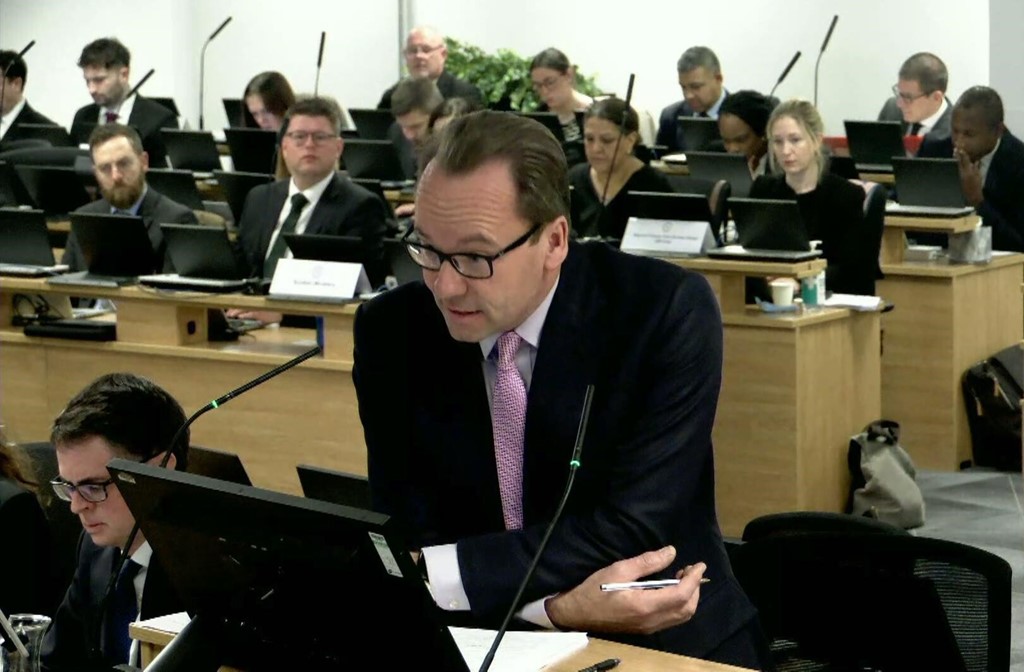
Hugo Keith says that, in summary, the evidence suggests “overwhelmingly” that the UK COVID vaccines “successfully protected the people of the United Kingdom” against the virus.
He says UK is estimated to be the country in the World Health Organisation Europe region with the highest number of deaths averted due to vaccination.
Mr Keith says it was not a “foregone conclusion” that the UK or any country would find and develop an effective and acceptably safe vaccine.
He says historically, success rates for developing vaccines against viral infectious diseases are low, and there’s only around a 10% chance of advancing from early trials to licensing within ten years.
“In the early days of the pandemic, there were believed to be 200 or so vaccines in development across the world,” he adds.
“But the chances of any one vaccine candidate being effective were remote.”
He says “remarkable work” from multiple groups of people, including scientists, researchers, clinicians and academics, made an “unprecedented population vaccination possible”.
‘Severe price paid’ by some people even as vaccine benefits vastly outweigh risks
While serious conditions and deaths were “very rare”, the counsel’s inquiry says it’s important to acknowledge what some people suffered.
Hugo Keith KC says we must understand the “experiences of those who have suffered” and hopes their involvement in the inquiry will “assist in countering the stigmatisation”.
“And even more tragically, a number of people very small in the overall scale of the vaccination programme – but have no less importance individually or to our examination – did suffer serious harm alongside the vast majority of the population who did have access to the beneficial effects of vaccines,” he says.
“A severe price was paid, unfortunately, by some individuals. Those side effects may be encountered in any medicine, but serious side effects, whilst very rare, are nevertheless significant and debilitating.”
He adds he “must emphasise” the “extreme rarity” of the serious adverse effects suffered, and the fact the figures “demonstrate beyond any doubt that the life-saving benefits of the UK Covid-19 vaccines vastly outweighed the very rare risk of a serious side effect”.
Nevertheless, “they did occur”, he says, adding it was a “complete tragedy” for those who did suffer serious side effects.
“Nothing that is said about the rarity of those terrible consequences can be taken or should be taken to diminish that loss,” he adds.
Vaccine hesitancy a ‘major public health concern’
Hugo Keith KC says another reason this part of the inquiry is necessary is that the UK’s vaccination figures “hid notable problems” including a disparity between take-up between population groups.
He says ethnic minority groups in England had lower age-standardised rates of vaccination coverage compared with the white British population.
“By April 2021, just 65.5% of black African people aged over 80 were vaccinated in England, compared to 97.4% of white British people,” he says.
This disparity is a matter of “major public health concern”.
He says rates of coverage were also lower in the most deprived areas of the United Kingdom.
“The difference between the percentage of adults aged 18 or more in the least and the most deprived areas who had received two doses was particularly sharp in England,” he says.
“Looking at geographical spread, the number of adults who had received two doses was lowest in London in all age groups by June 2022.”
Leave a Reply