Kyiv’s counter-offensive on the Lyman axis collapsed the northern arm of a Russian pincer movement designed to surround Ukrainian-held Donetsk, freeing up to 176 square kilometres and pushing Russian units onto the defensive, according to the Washington-based think tank.
Ukrainian forces have disrupted Russia’s plans to encircle and seize the remaining Ukrainian-controlled territory in the Donetsk region this year, the Washington-based Institute for the Study of War (ISW) concluded in an assessment based largely on open-source intelligence.
The Russian campaign relied on a deep pincer movement aimed at what the report terms the “fortress belt” — a defensive and logistical network shielding the Ukrainian-held portion of the Donbas — advancing from Lyman in the north and Dobropillia in the south-west, with both arms meant to converge near Barvinkove in the Kharkiv region.
Achieving such an encirclement would have significantly advanced Moscow’s long-standing goal of occupying the entire Donetsk region and would have given the Kremlin something to present to Russian society as justification for the war’s costs.
Ukraine’s counter-offensive on the Lyman axis, named Operation Vivaldi, dismantled the northern arm of that pincer.
Ukrainian forces pushed along the Ridkodub–Nove–Novomykhailivka line in the north and the Yarova–Drobysheve–Stavky line in the south, collapsing the salient Russia had constructed to threaten Sloviansk from the north-east and forcing Russian units onto the defensive.
Commander of Ukraine’s 3rd Army Corps Andrii Biletskyi said the first three phases of the operation in mid- to late September liberated 176 square kilometres of territory.
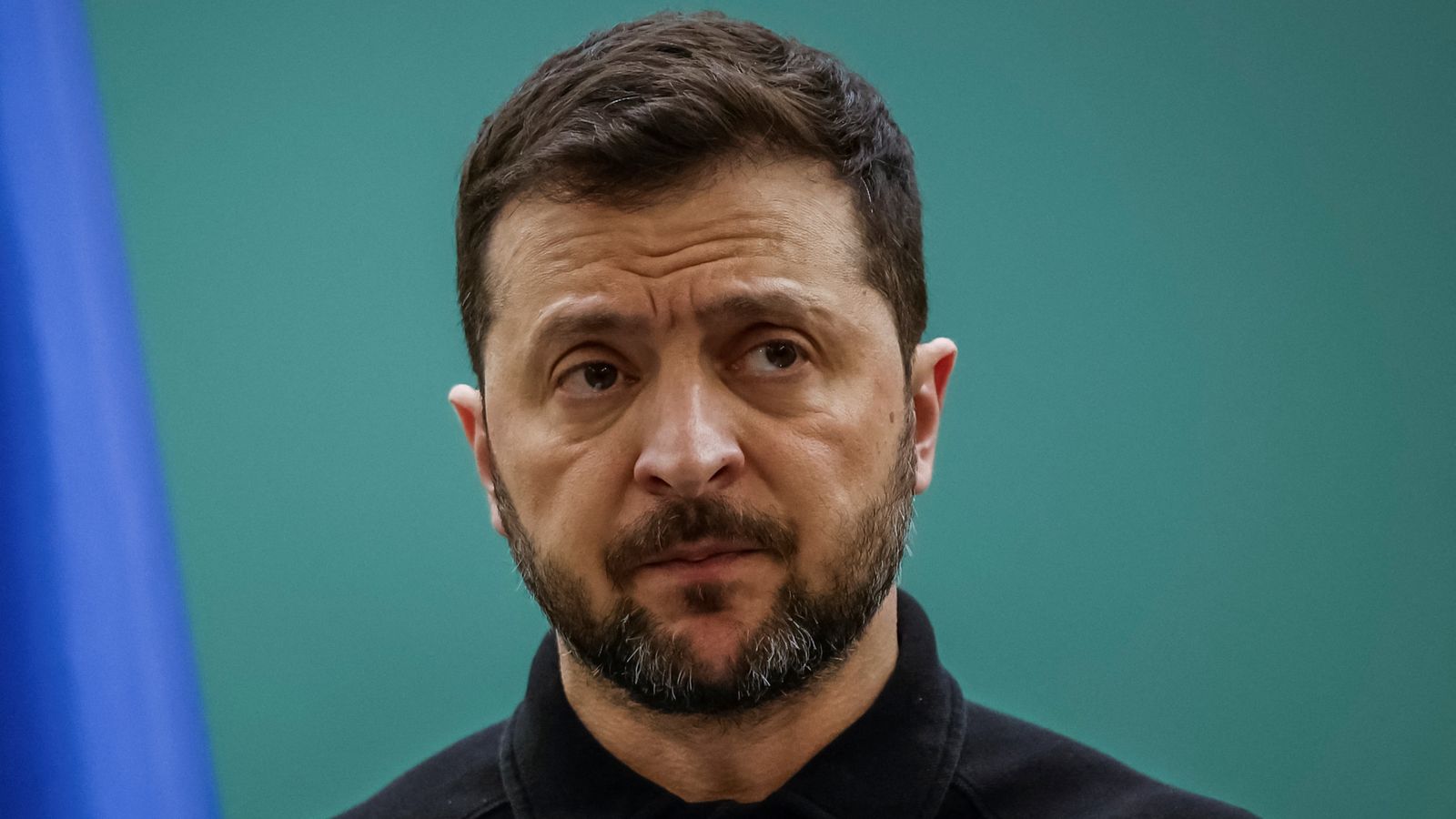
Ukraine’s President Volodymyr Zelenskyy cited a figure of between 125 and 140 square kilometres as of 3 October, adding that Russian losses had climbed sharply over the preceding two to three months.
ISW suggested the operation may have been more successful than Kyiv’s official figures indicate.
The defeat of the northern pincer forced Russia to abandon its plans to advance on Sloviansk from the north-east and stripped it of positions intended to threaten the northern approaches to the fortress belt.
Ukraine’s continued control over the Lyman area also preserved key supply routes. Russian units elsewhere along the front may have been redeployed to reinforce the northern sector.
Russia’s south-western advance from the Pokrovsk–Dobropillia area — the surviving arm of the original encirclement — now faces far more ambitious objectives on its own.
ISW regards the collapse of the northern pincer as an operational failure, since Russia has lost not only ground around Lyman but also a key component of its campaign plan for the fortress belt.
Russian forces retain limited gains around Kostyantynivka and east of Sloviansk but have struggled to sustain the pace of advance in both areas.
ISW argued that their reliance on infantry infiltration, drones and bombardment can produce gradual attrition but cannot generate the fast mechanised manoeuvres required to collapse Ukraine’s defences at the scale Moscow needs.
The situation remains fluid, the institute added, and Russian forces will probably adapt over time, but for now, Ukraine appears to have halted the advance.
A further Russian mobilisation and technological adaptation could alter the balance, although neither would necessarily enable a breakthrough.
Putin’s September Figures Disputed
ISW also disputed claims, widely circulated in pro-government Russian media, that Russian forces occupied an additional 1,301 square kilometres of Ukrainian territory in September alone — roughly two and a half times the figure reported in previous months.
Based on geolocated photo and video footage, satellite imagery and visually confirmed data, the institute calculated that Russian assault units had in reality been pushed out of at least 80 square kilometres in September.
Russia’s net retreat in September rose to 175.18 square kilometres, including areas it temporarily penetrated but did not hold.
Putin told the Valdai Club last week that Russia now occupies 89% of the Donetsk region. ISW puts the figure of Russian-occupied territory in the Ukrainian region at no more than 81%.
The institute assessed that Putin’s claims of Russian breakthroughs in September were “so far removed from reality that they resemble hallucinations.”
It could not determine whether Putin knows the figures he cites are false or has come to believe the fabricated frontline data he receives — a product of what ISW describes as a deeply embedded culture of dishonesty in the Russian military command.
Leave a Reply