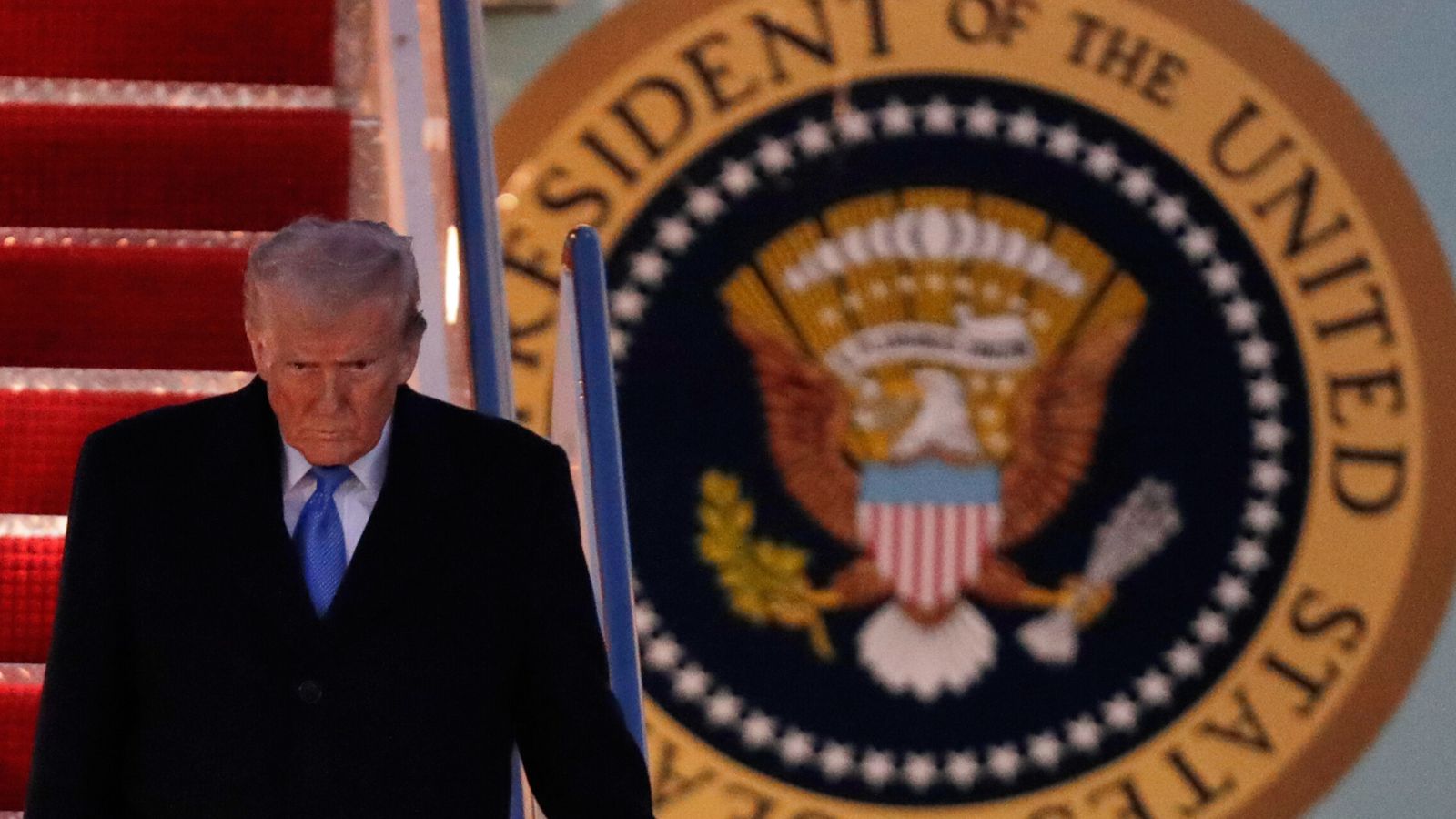
President Donald Trump on Monday signed an executive order calling for revamped childhood vaccine recommendations that reflect his view that certain shots should be spaced out into separate medical visits.
The order will recommend replacing the combined measles, mumps, and rubella (MMR) vaccine with three separate shots administered at different visits and direct the nation’s health department to improve vaccine research.
Though the order calls for revised vaccine recommendations, states — not the federal government — have the authority to require vaccinations for schoolchildren.
Public health experts have raised concerns that spacing out shots as Trump suggests can lead to an increased risk that children become infected with a vaccine-preventable disease before returning for another visit.
Michael Osterholm, executive director of the Vaccine Integrity Project, said parents should continue to rely on vaccine recommendations developed by trusted medical and public health experts, such as the American Academy of Pediatrics, when making decisions on shots for their children.
“Today’s Executive Order does not change the underlying scientific evidence supporting childhood immunization. That data has been built over decades — through large clinical trials, real-world effectiveness studies and continuous safety monitoring involving millions of children,” he said in a statement.
“Parents deserve clear, evidence-based guidance about how to protect their children, not competing recommendations issued through political processes. When families receive conflicting messages, confidence in vaccination suffers, and children ultimately bear the consequences.”
In announcing his executive order on vaccines, Trump said “bad things happen” when children get the combined MMR vaccine.
“I’ve seen proof of it, where they have a vaccination that looks like the size of a bottle of soda poured into a little child’s body, and bad things happen in many cases — in too many cases,” he said.
But experts say that the risk of serious side effects is extremely low and that years of real-world data show the vaccine is safe and effective. Common side effects include soreness and a mild rash or redness at the injection site, a fever, and temporary pain or stiffness in the joints.
Decades of studies have concluded there is no link between the MMR vaccine and autism, though Trump has suggested such a connection. Besides genetics, scientists have identified various possible factors associated with autism, including the age of a child’s father, the mother’s weight, and whether she had diabetes or was exposed to certain chemicals.
Claims that vaccines cause autism have long been debunked, according to scientists and leading advocacy groups for people with autism.
Childhood vaccines — and how and when to give them in combination — go through rigorous studies, and safety tracking continues for years as the shots are used.
Leave a Reply