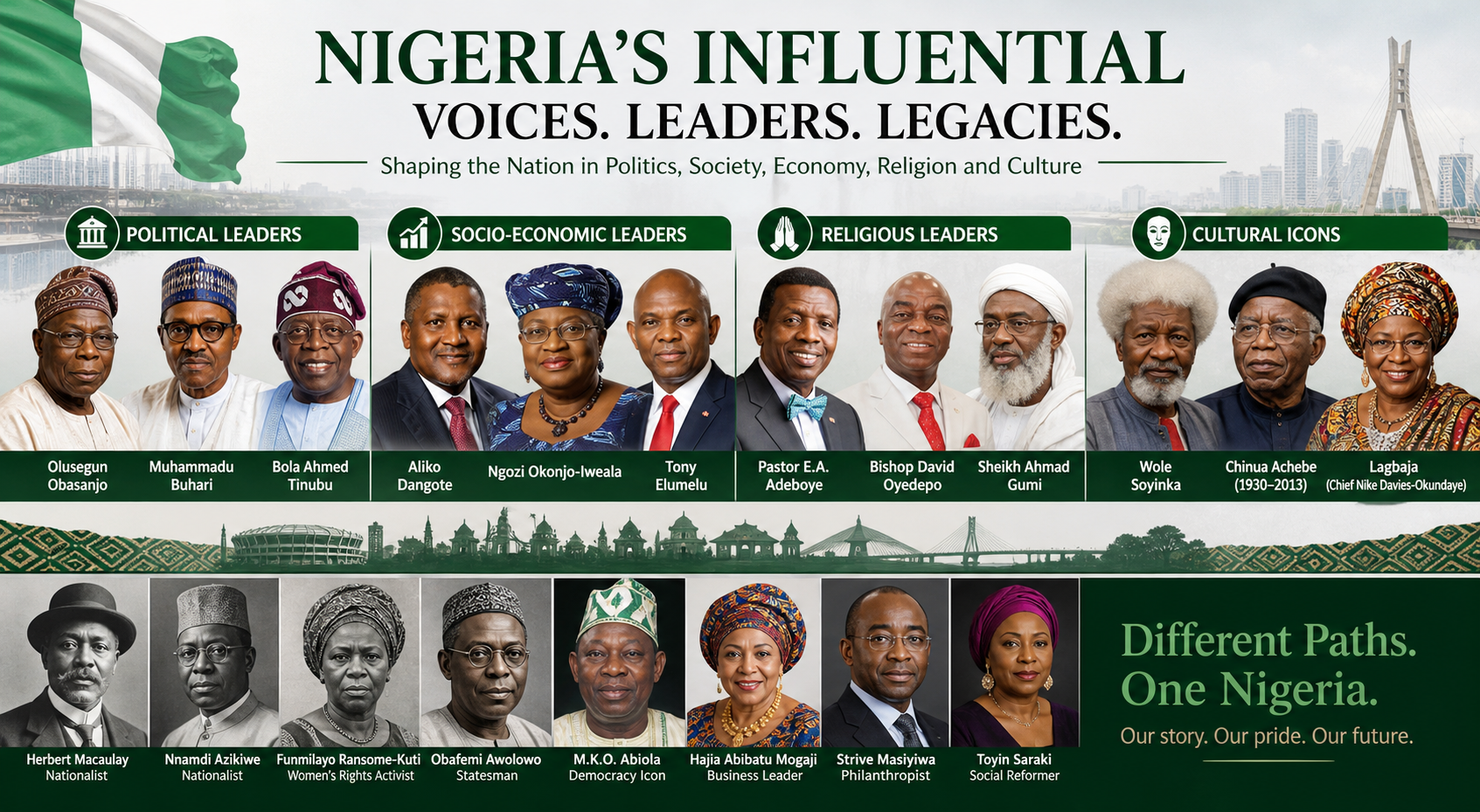
Nigeria woke up today to a mix of political tension, economic uncertainty, security concerns, and major policy debates dominating newspaper front pages across the country. From developments surrounding former petroleum minister Timipre Sylva to fuel pricing controversies, worsening insecurity, and growing political maneuvering ahead of the 2027 elections, the national conversation reflects a country grappling with reform, governance, and public frustration.
A review of leading Nigerian newspapers including Punch Newspapers, Vanguard Nigeria, Premium Times, Channels Television, TheCable, The Guardian Nigeria, Daily Trust and BusinessDay Nigeria shows that the biggest stories today revolve around anti-corruption investigations, the economy, insecurity, foreign relations, and the political future of the ruling and opposition parties.
Court Orders Interim Forfeiture of Timipre Sylva’s Properties
One of the most talked-about developments today is the Federal High Court order directing the interim forfeiture of nine properties allegedly linked to former Minister of State for Petroleum Resources, Timipre Sylva.
Reports from Premium Times and Punch indicate that the Economic and Financial Crimes Commission (EFCC) secured the order following allegations tied to suspicious asset ownership and ongoing investigations. (Premium Times Nigeria)
The properties, reportedly located in Abuja, are now under temporary government control pending the conclusion of investigations and possible legal proceedings. The case has drawn nationwide attention because Sylva remains a prominent figure in Nigerian politics and the oil sector.
Analysts say the development could signal renewed anti-corruption momentum by federal authorities, especially after months of criticism that major corruption cases were moving too slowly. Political observers also believe the case may reshape alignments ahead of the 2027 elections, particularly within the ruling APC.
The forfeiture order comes amid wider scrutiny of former government officials and ongoing efforts by anti-graft agencies to recover allegedly illicit assets.
Fuel Pricing and Dangote Refinery Continue to Dominate Economic Discussions
The state of Nigeria’s downstream petroleum sector remains one of the country’s hottest topics today.
Several newspapers reported new controversy over petrol pricing following reports that the Dangote Refinery adjusted fuel prices. (Vanguard News)
Channels Television reported that the refinery raised petrol prices to ₦1,350 per litre, while Premium Times carried a separate report quoting the refinery as denying any official increase in ex-depot prices. (Channels Television)
The conflicting reports created confusion across the market, with transporters and consumers already struggling under rising living costs.
Fuel pricing remains politically sensitive because Nigerians continue to experience inflationary pressure after subsidy removal reforms initiated by President Bola Ahmed Tinubu.
The federal government has maintained that it will not return to fuel subsidy payments or price controls. Premium Times quoted the finance ministry as insisting that Nigeria must continue market reforms despite public pressure. (Premium Times Nigeria)
Economists say the government faces a difficult balancing act: maintaining fiscal reforms while addressing widespread hardship caused by inflation, transportation costs, and currency instability.
Naira Records Slight Recovery Amid Economic Pressure
There was some positive news for Nigeria’s currency today as multiple reports showed a slight appreciation of the naira in both official and parallel markets.
Vanguard reported that the naira strengthened modestly against the dollar, trading around ₦1,380/$ in the parallel market and ₦1,361/$ in the Nigerian Foreign Exchange Market. (Vanguard News)
The improvement is being linked to continued Central Bank interventions and improved forex liquidity.
However, financial analysts warn that the gains remain fragile because Nigeria still faces structural foreign exchange challenges, including lower oil revenues, import dependency, and pressure on external reserves.
Businesses continue to complain about unstable exchange rates and rising operational costs. BusinessDay also reported concerns about economic recovery, with the Lagos Chamber of Commerce and Industry warning that rising costs are squeezing businesses nationwide. (Businessday NG)
Despite these challenges, Nigeria’s stock market and telecommunications sectors have shown resilience, with MTN Nigeria reporting major gains in free cash flow during the first quarter of 2026. (Businessday NG)
Rising Insecurity Continues to Trouble Communities
Security concerns remain prominent across Nigeria today, with newspapers carrying reports of killings, kidnappings, vandalism, and attacks in several states.
The Guardian reported the arrest of a suspect in Ogun State over the abduction and murder of a 16-year-old girl. According to police reports, the suspect allegedly killed the victim after collecting ransom money. (The Guardian Nigeria)
In Kogi State, fresh bandit attacks reportedly left one person dead and others injured. (The Guardian Nigeria)
Channels Television also reported that the Nigeria Security and Civil Defence Corps arrested over 200 suspects in Ogun State over vandalism, fraud, and illegal mining activities. (Channels Television)
Meanwhile, Vanguard and Daily Trust highlighted growing concerns about insecurity and worsening poverty across the country. The Nigeria Labour Congress warned that rising hardship is pushing many Nigerians “to the brink.” (Vanguard News)
Oil theft remains another major national concern. Channels Television reported intensified naval crackdowns against crude oil theft as authorities continue efforts to protect Nigeria’s oil infrastructure. (Channels Television)
Security experts argue that the persistence of insecurity continues to undermine investor confidence, agricultural productivity, and economic stability.
Political Maneuvering Ahead of 2027 Intensifies
Although the next general election is still months away, political maneuvering is already intensifying across Nigeria.
Vanguard reported new alignments involving camps loyal to Nyesom Wike and other political stakeholders as discussions over party structures and governorship ambitions continue. (Vanguard News)
TheCable reported that discussions around opposition coalitions and party restructuring are gaining momentum as politicians position themselves for the 2027 race. (TheCable)
In Oyo State, media entrepreneur Oriyomi Hamzat reportedly intensified consultations over a possible governorship ambition. (The Guardian Nigeria)
The PDP also remains embroiled in internal negotiations as different factions struggle for influence ahead of future primaries and conventions.
Observers believe political calculations are already influencing government decisions, policy announcements, and public alliances.
Meanwhile, there are continuing debates over the role of the judiciary and media ahead of the next elections. Punch previously reported warnings by top legal figures about protecting democratic institutions and preventing misinformation. (Punch Newspapers)
Nigeria Responds to Xenophobic Attacks in South Africa
Another major issue receiving attention today is renewed concern over xenophobic attacks against Africans in South Africa.
Vanguard reported that the National Association of Nigerian Students threatened protests against South African businesses operating in Nigeria following reports of attacks targeting foreigners. (Vanguard News)
TheCable also carried reports about anti-foreigner protests in South Africa and increasing tensions affecting African migrants. (TheCable)
The issue has revived painful memories of previous xenophobic violence that strained diplomatic relations between Nigeria and South Africa.
Many Nigerians on social media are demanding stronger diplomatic action and better protection for Nigerians living abroad.
Power Sector Reforms and Electricity Challenges Continue
Nigeria’s electricity crisis remains a dominant public concern.
The Guardian reported new federal government efforts to integrate electricity generation systems into the SCADA framework to improve efficiency and reduce grid failures. (The Guardian Nigeria)
At the same time, several communities continue to experience blackouts and unstable electricity supply. Channels Television reported outages in parts of Ibadan due to transmission maintenance work. (Channels Television)
TheCable also reported ongoing discussions involving FCT teachers and authorities, partly tied to broader governance and welfare concerns affecting public services. (TheCable)
Energy analysts say Nigeria’s electricity sector still faces major obstacles including weak infrastructure, insufficient generation, transmission bottlenecks, and debt burdens.
There are also growing public concerns over rising electricity tariffs and the inability of many households and businesses to cope with energy costs.
Education, Health, and Social Welfare Issues Remain Prominent
Beyond politics and the economy, education and health stories also made headlines today.
The Guardian reported rising concerns over families struggling to keep children in school due to increasing living costs. (The Guardian Nigeria)
Universities and public institutions continue to face funding challenges, while debates over student loans and educational reforms persist nationwide.
Health experts also warned about diet-related hypertension affecting millions of Nigerians. (The Guardian Nigeria)
Public health stakeholders are increasingly worried about inadequate healthcare funding, inflation-driven medicine costs, and shortages of medical personnel due to migration abroad.
In the technology sector, the federal government urged Nigerian youths to embrace artificial intelligence and robotics as tools for innovation and economic growth. (The Guardian Nigeria)
This reflects Nigeria’s growing push toward digital transformation despite persistent infrastructure and unemployment challenges.
Sports and Entertainment Continue to Offer Bright Spots
Despite economic and political tensions, sports and entertainment continue to provide moments of national pride.
The Guardian reported that Nigeria is Africa’s sole representative in the men’s 4x100m relay event, highlighting growing excitement around athletics ahead of international competitions. (The Guardian Nigeria)
Entertainment headlines also featured Nigerian stars of international recognition, with Channels Television reporting that actors and celebrities of Nigerian descent made notable appearances at the 2026 Met Gala. (Channels Television)
Meanwhile, musician Davido appeared prominently in political and entertainment coverage after backing Governor Ademola Adeleke’s re-election efforts in Osun State. (Premium Times Nigeria)
Nigeria’s entertainment industry continues to remain one of the country’s strongest global cultural exports.
Conclusion
The top stories dominating Nigeria today paint a picture of a nation at a crossroads.
Economic reforms continue to generate fierce debate as Nigerians struggle with inflation, fuel prices, and exchange rate pressures. Security challenges remain widespread, while anti-corruption cases and political realignments are reshaping the national landscape ahead of 2027.
At the same time, there are signs of resilience: financial markets are stabilizing in some areas, technology and sports sectors are expanding, and Nigeria continues to assert itself diplomatically and culturally on the global stage.
The coming weeks are likely to determine whether the government can successfully balance economic reform with social stability while maintaining public confidence in democratic institutions.
For millions of Nigerians, however, the immediate concerns remain practical and urgent: affordability, safety, electricity, jobs, and the hope that ongoing reforms will eventually produce visible improvements in daily life.
Leave a Reply