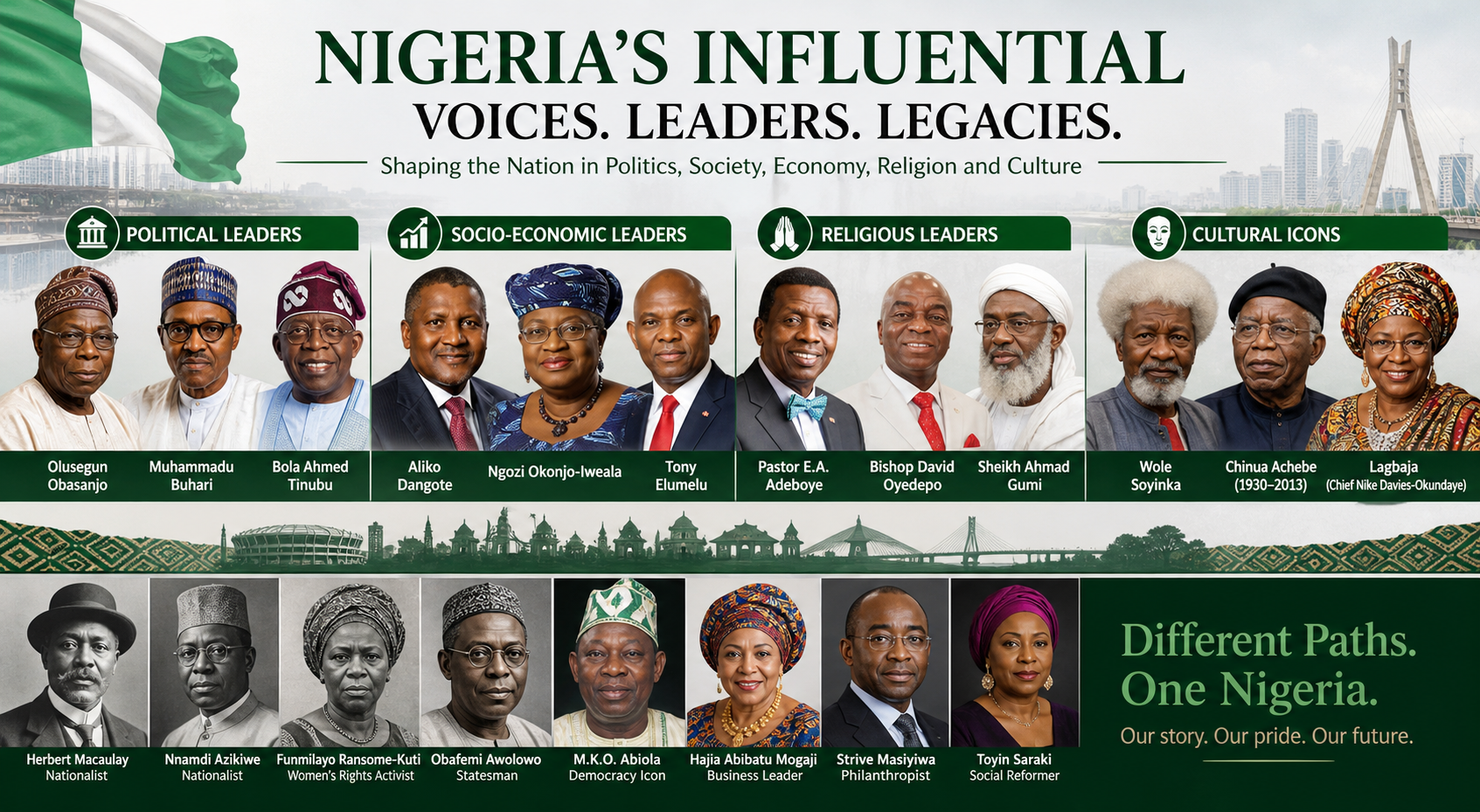
Nigeria begins the week with politics, security, economic pressure, and public health concerns dominating national conversations. Across major newspapers including Vanguard News, TheCable, The Nation Newspaper, and other leading platforms, the headlines reveal a country navigating intense political maneuvering ahead of the 2027 elections while simultaneously dealing with security threats, inflation, and mounting debt obligations.
One of the biggest political developments today is the growing momentum around President Bola Tinubu and the All Progressives Congress (APC) ahead of the 2027 presidential race. Several reports indicate that APC governors have rallied behind Tinubu after the party’s nationwide direct primary reportedly delivered over 10 million votes in support of his candidacy. (Vanguard News)
The endorsement signals a strong consolidation of power within the ruling party. Analysts believe the move is intended to discourage internal opposition and project unity at a time when Nigeria’s opposition parties remain fragmented. The APC leadership insists that Tinubu’s economic reforms, though painful, are beginning to stabilize the country’s finances and create a foundation for long-term growth. Opposition figures, however, argue that ordinary Nigerians continue to face hardship due to inflation, currency volatility, and unemployment.
Meanwhile, the opposition coalition that many Nigerians expected to mount a serious challenge to the ruling party appears to be weakening. A major alliance led by the African Democratic Congress (ADC) has suffered setbacks following the withdrawal of key political figures including Peter Obi and Rabiu Kwankwaso. Reuters reports that disagreements, mistrust, and internal legal disputes have fractured the coalition, reducing its chances of presenting a united front in 2027. (Reuters)
Within the ADC itself, factional battles continue to intensify. Reports today indicate that one faction elected Dumebi Kachikwu as presidential candidate while another group endorsed businessman Mohammed Hayatu-Deen ahead of the party’s primary process. (News Agency of Nigeria) The ongoing disputes highlight the broader instability within Nigeria’s opposition landscape.
Security remains another dominant issue nationwide. Nigeria’s military operations against insurgent groups in the northeast continue to receive major attention following joint offensives involving Nigerian and United States forces. According to multiple international reports, recent operations killed scores of fighters linked to the Islamic State West Africa Province (ISWAP). (AP News)
The operations reportedly targeted militant hideouts near the borders with Niger and Chad. Among those killed were senior commanders accused of coordinating logistics and extremist operations across the Lake Chad region. Nigerian military authorities described the operations as major successes in the ongoing war against terrorism.
However, despite these tactical victories, concerns persist about Nigeria’s broader security outlook. New analyses published this week suggest that insecurity across Nigeria continues to worsen, especially in rural areas where state presence remains weak. Armed banditry, kidnapping, communal violence, and insurgency continue to affect many communities. (The Guardian)
The Guardian reports that Nigeria has increasingly become one of the Sahel’s major insecurity hotspots. Experts blame weak governance structures, poor policing capacity, and underdevelopment for allowing criminal and extremist groups to flourish in many regions. (The Guardian)
Security concerns are also growing ahead of the Eid-el-Kabir celebrations. Newspaper reports today warn that Boko Haram and ISWAP elements could attempt isolated attacks during the festive period, especially in northeastern states. (Latest Nigerian News) Authorities say troops remain on alert while intelligence agencies continue surveillance operations.
Another major story drawing national attention is Nigeria’s largest methamphetamine bust in recent history. The National Drug Law Enforcement Agency (NDLEA) announced that it dismantled a massive drug laboratory in Ogun State involving both Nigerian and Mexican nationals. (AP News)
Officials say the laboratory operated deep within a forest area and produced large quantities of methamphetamine intended for international trafficking. Authorities seized chemicals and narcotics worth hundreds of billions of naira. The discovery has intensified concerns about West Africa’s growing role in global drug trafficking networks. (AP News)
NDLEA officials described the operation as one of the most significant anti-drug successes in Nigeria’s history. Security analysts warn that drug trafficking networks increasingly overlap with organized crime, money laundering, and corruption across the region.
Economic issues remain central to public debate today. Rising food prices, transport costs, and energy expenses continue to squeeze households nationwide. Several newspapers report that cooking gas prices have surged again, with marketers warning that prices could rise further if supply conditions worsen. (Vanguard News)
Consumers across Lagos, Abuja, Kano, Port Harcourt, and other major cities continue to struggle with the cost-of-living crisis. Market traders say prices of staple items including tomatoes, rice, cooking oil, and meat have remained unstable despite government assurances that inflation is easing.
The approach of Sallah has also exposed deep economic anxiety among families. Reports indicate that many households are adopting “cow-sharing” arrangements for the Eid celebrations due to soaring livestock prices. (Vanguard News) Traders blame insecurity, transportation costs, and currency weakness for the price increases.
Nigeria’s debt situation is another issue dominating newspaper headlines. TheCable reports today that Nigeria remains the World Bank’s third-largest borrower, with debt exposure estimated at $18.5 billion. (TheCable)
International financial institutions continue to acknowledge some improvements in Nigeria’s macroeconomic indicators following recent reforms. However, concerns remain about debt servicing costs and the social impact of austerity measures. Reuters recently reported that Nigeria could spend nearly half of government revenue servicing debt obligations in 2026. (Reuters)
President Tinubu has repeatedly defended his administration’s economic policies, arguing that fuel subsidy removal, exchange-rate liberalization, and fiscal reforms were necessary to prevent economic collapse. Supporters say the reforms are beginning to stabilize public finances and restore investor confidence. Critics counter that ordinary Nigerians are bearing enormous short-term pain without adequate social protection.
The Central Bank of Nigeria (CBN) also remains under close scrutiny following its latest Monetary Policy Committee meeting. Investors and economists continue to monitor interest rates, inflation management, and foreign exchange stability after the CBN reaffirmed its commitment to tight monetary policy. (Central Bank of Nigeria)
Public health officials are meanwhile increasing surveillance over Ebola concerns across West Africa. Nigeria’s Centre for Disease Control has reportedly intensified preparedness measures amid fears of possible cross-border transmission from affected regions elsewhere on the continent. (Google News)
Although no confirmed outbreak has been reported in Nigeria, authorities say airport screening, emergency response systems, and public health monitoring are being strengthened. The issue has revived memories of Nigeria’s successful containment of Ebola during the 2014 outbreak.
In Lagos and several other cities, concerns over urban crime and cyber-related fraud also continue to generate debate. Police today announced the arrest of a man accused of staging a fake banditry attack video to gain social media popularity. (TheCable) Authorities say misinformation and sensational online content are increasingly complicating security management efforts.
Sports news is also generating excitement nationwide after Arsenal F.C. were crowned Premier League champions. Nigerian football fans celebrated heavily across social media and sports centers after Arsenal secured the title at Selhurst Park. (News Agency of Nigeria)
Football remains deeply woven into Nigerian popular culture, and Arsenal’s victory sparked celebrations especially among younger fans. Sports analysts note that Nigeria remains one of the largest overseas fan bases for the English Premier League.
Table tennis enthusiasts are also following developments from the ongoing WTT Contender Lagos 2026 competition in Lagos. The international tournament has attracted players from several countries and continues to strengthen Nigeria’s reputation as a major destination for African table tennis events. (Wikipedia)
Across the media landscape today, discussions about governance, accountability, and the future of democracy remain highly visible. Editorials in several newspapers question whether political elites are sufficiently focused on citizens’ daily struggles. Others debate whether the current political realignments could reshape the balance of power before 2027.
The media also continues to examine the broader consequences of insecurity on education, healthcare, and investment. Analysts warn that unless Nigeria addresses governance gaps, youth unemployment, and institutional weaknesses, economic reforms alone may not produce sustainable stability.
International observers are equally watching Nigeria closely because of its importance as Africa’s largest economy and most populous nation. The country’s political and economic direction carries significant implications for regional security, migration, trade, and investment across West Africa.
For many ordinary Nigerians, however, today’s headlines ultimately come down to practical realities: food prices, fuel costs, jobs, electricity, transportation, and personal safety. While politicians prepare for another election cycle, millions of citizens continue to ask whether the promised dividends of reform will eventually reach everyday households.
As May 25, 2026 unfolds, Nigeria stands at a critical crossroads — balancing economic restructuring, political competition, and national security challenges while trying to maintain public confidence. The coming months are likely to determine whether current reforms deliver meaningful improvement or deepen existing frustrations among citizens already facing immense pressure.
Leave a Reply