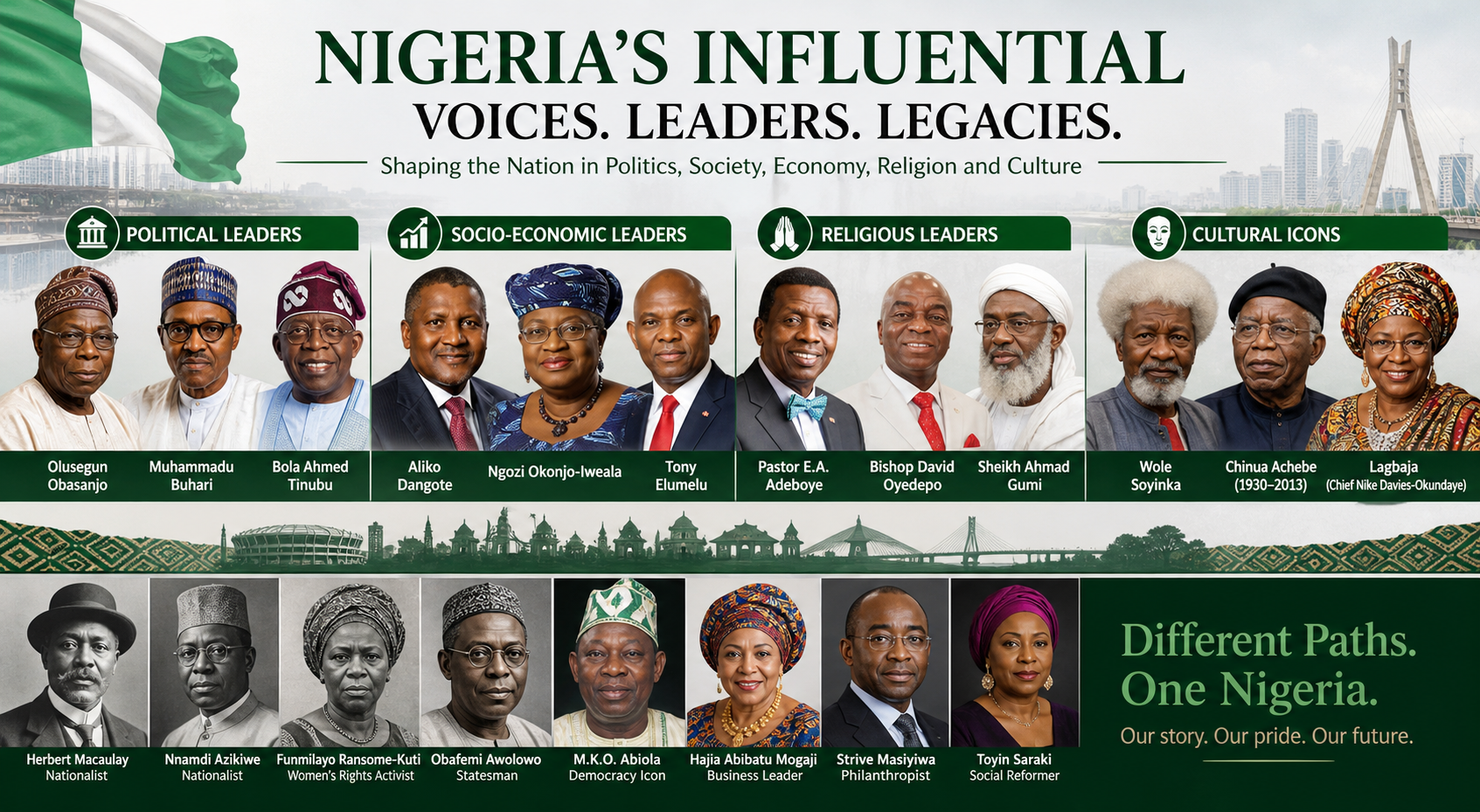
Nigeria woke up on Monday, May 11, 2026, to another day dominated by politics, security concerns, economic uncertainty, and mounting debates over the country’s future ahead of the 2027 general elections. Across the nation’s major newspapers and digital platforms, the headlines reflected a country balancing political maneuvering with urgent governance challenges.
From renewed conversations surrounding former President Goodluck Jonathan’s potential political comeback, to deadly attacks in Plateau State, economic concerns linked to inflation and liquidity tightening, and major developments in infrastructure and sports, the Nigerian media space was filled with stories carrying both immediate and long-term significance.
Leading newspapers including Punch Newspapers, Premium Times, Vanguard News, THISDAYLIVE, and BusinessDay Nigeria all focused heavily on politics, insecurity, and the economy as Nigerians continue to grapple with the realities of reforms, inflation, and rising political activities ahead of the next election cycle. (Punch Newspapers)
Jonathan’s 2027 Rumoured Return Dominates Political Headlines
One of the most discussed political stories today revolves around former President Goodluck Jonathan and growing speculation about his possible return to presidential politics in 2027.
According to reports carried by Vanguard News and THISDAYLIVE, political consultations around Jonathan’s possible candidacy are intensifying. Vanguard reported that the former president may be considering a presidential run under the Peoples Democratic Party platform, while THISDAY noted that Jonathan has told supporters he would “consult widely” before making any decision. (Vanguard News)
The renewed attention on Jonathan reflects increasing uncertainty within both the ruling All Progressives Congress and opposition camps. Political analysts say the 2027 race is already shaping into a battle involving incumbency politics, coalition-building, and voter frustration over economic hardship.
Meanwhile, discussions about zoning and power rotation continue to influence national conversations. THISDAY also reported that the National Democratic Coalition had endorsed a southern presidency for 2027 while supporting reforms that could restrict future presidential terms to a single four-year tenure. (ThisDayLive)
At the same time, reports surrounding Vice President Kashim Shettima submitting President Bola Tinubu’s nomination forms further reinforced expectations that the ruling party is preparing early for a highly competitive election cycle. (Premium Times Nigeria)
Plateau Killings Deepen Security Anxiety
Security challenges remain one of Nigeria’s most urgent national issues, and today’s headlines again reflected the country’s continuing struggles with violence and instability.
Premium Times reported that a police officer and six other persons were killed during attacks in Plateau State. The incident has reignited concerns over recurring communal violence and armed attacks in the region. (Premium Times Nigeria)
The attack came only days after another deadly massacre in Barkin Ladi, reinforcing fears that security efforts in the state remain insufficient. Plateau has repeatedly experienced cycles of violence involving armed groups, farmer-herder conflicts, and retaliatory attacks.
Elsewhere, Nigerian security agencies also reported operations against suspected members of the Indigenous People of Biafra. Premium Times stated that police operatives dismantled an alleged IPOB hideout and arrested three suspects in the South-East. (Premium Times Nigeria)
Security concerns extended beyond Plateau and the South-East. Punch Newspapers reported that residents fled communities in Rivers State after gunmen attacked a local security outfit. The incident highlighted continuing instability in parts of the Niger Delta despite government efforts to improve local security coordination. (Punch Newspapers)
Another troubling development came from Niger State, where reports indicated that civilians were killed during a military airstrike targeting criminal elements. The tragedy has renewed debates over military rules of engagement and the need for better intelligence coordination during operations. (Premium Times Nigeria)
Economy Faces Pressure as CBN Tightens Liquidity
Economic hardship remains central to national discourse, with several newspapers focusing on financial policy, inflationary pressure, and declining purchasing power.
BusinessDay Nigeria reported that the Central Bank of Nigeria had drained record levels of naira liquidity from the banking system as political activities ahead of the 2027 elections begin to influence financial markets. Analysts believe the move is aimed at containing inflation and stabilising the currency. (Businessday NG)
However, concerns persist over whether tighter monetary policy alone can address Nigeria’s economic challenges. Rising food prices, transportation costs, and energy expenses continue to affect millions of households nationwide.
BusinessDay also reported that Nigerians spent nearly one-fifth of poverty-level income on internet data during the first quarter of 2026. The report underscores the growing cost burden facing citizens even in essential digital services. (Businessday NG)
The aviation sector is also under pressure. Airlines and aviation professionals warned that the high cost of Jet-A1 aviation fuel could threaten passenger safety and worsen operational difficulties for carriers already struggling with exchange rate volatility. (Vanguard News)
At the same time, Nigerian manufacturers continue to experience weak growth conditions. Reports indicate that manufacturing activity has slowed amid inflation, unstable power supply, and rising import costs. (Businessday NG)
Despite these challenges, Nigeria’s stock market has shown signs of renewed activity. Investors are gradually returning to equities, with financial analysts identifying companies such as AIICO, Fidelity Bank, and May & Baker among notable market picks this week. (Premium Times Nigeria)
Eko Bridge Closure Sparks Lagos Traffic Concerns
In Lagos, infrastructure and transportation concerns dominated discussions after the state government announced plans to close a section of Eko Bridge for repairs.
The closure is expected to significantly affect traffic movement across major commercial routes in the city. Motorists and commuters have already expressed concerns over likely gridlock and longer travel times. (Premium Times Nigeria)
Lagos remains Nigeria’s commercial nerve centre, and disruptions to key transport infrastructure often have broader economic implications. Analysts warn that transport delays could worsen productivity losses and increase commuting expenses for workers and businesses.
Meanwhile, tragedy struck along the Lagos-Abeokuta Expressway after a vehicle reportedly plunged off a bridge, killing eleven people. The accident once again raised concerns about road safety enforcement, reckless driving, and poor highway conditions in parts of the country. (Punch Newspapers)
Rivers and Imo Politics Intensify Ahead of 2027
Political realignments in Rivers and Imo States continued to attract attention today.
In Rivers State, reports suggest growing uncertainty over Governor Siminalayi Fubara’s political future as the APC remains evasive regarding discussions around possible alignments ahead of the 2027 elections. (Premium Times Nigeria)
Meanwhile, in Imo State, Governor Hope Uzodimma reportedly joined the Senate race and may resign before the expiration of his tenure. The development has generated fresh debate over succession politics and political continuity in the South-East. (Premium Times Nigeria)
Political observers believe state-level calculations are increasingly becoming tied to national coalition-building efforts ahead of the presidential contest.
Education and Youth Issues Remain National Concerns
Education also featured prominently in national discussions.
The Joint Admissions and Matriculation Board defended Nigeria’s tertiary admission framework after Sierra Leone reportedly considered adopting aspects of the Nigerian admission model. Officials described the development as evidence of the system’s growing credibility across West Africa. (Premium Times Nigeria)
However, another story involving the death of a 100-level student of the Federal University of Technology Akure generated sadness and concern nationwide. The incident renewed discussions around student welfare, mental health, and campus security in Nigerian universities. (Premium Times Nigeria)
Youth unemployment and skills development also remained major talking points after Vice President Shettima addressed comments made by the CEO of Moniepoint regarding the shortage of globally competitive Nigerian tech talent. The debate reflects wider concerns over education quality and workforce preparedness in Africa’s largest economy. (Premium Times Nigeria)
Nigeria Expands Security Cooperation with the United States
On the international front, Nigeria’s security and diplomatic engagements drew attention after National Security Adviser Nuhu Ribadu met with senior United States officials, including Vice President J.D. Vance and Secretary Marco Rubio.
The discussions reportedly focused on expanding counterterrorism cooperation between Nigeria and the United States. (Premium Times Nigeria)
The meetings come at a time when Nigeria continues to battle terrorism, banditry, kidnapping, and transnational criminal activities across several regions. International partnerships remain important for intelligence-sharing, military training, and technology support.
At the same time, diplomatic concerns involving xenophobic attacks against Nigerians in South Africa also resurfaced. Editorials in Premium Times called on South African President Cyril Ramaphosa to demonstrate stronger leadership against anti-foreigner violence. (Premium Times Nigeria)
Oil Prices and Global Tensions Affect Nigeria
Global developments are also influencing Nigeria’s economy.
BusinessDay reported that oil prices rose sharply after renewed tensions involving the United States and Iran. Because Nigeria depends heavily on oil exports for foreign exchange earnings, fluctuations in global crude prices remain highly significant for government revenue and fiscal planning. (Businessday NG)
However, economists warn that higher oil prices may not automatically translate into better living conditions for Nigerians. Rising global energy costs can also increase domestic fuel prices, transportation expenses, and inflationary pressure.
The ongoing geopolitical uncertainty around the Strait of Hormuz continues to raise fears about supply disruptions and broader economic instability. (Businessday NG)
Sports and Entertainment Bring Moments of Relief
Amid political and economic anxieties, sports and entertainment provided lighter moments for many Nigerians.
Nigerian goalkeeper Chiamaka Nnadozie celebrated Brighton Women’s qualification for the FA Cup final, a major achievement that attracted praise across the country. (Premium Times Nigeria)
In domestic football, the Nigeria Premier Football League title race reportedly moved to the final day after Rangers and Rivers United secured important victories. (Premium Times Nigeria)
Internationally, Arsenal moved closer to winning the English Premier League title after defeating West Ham, a result that generated excitement among the club’s large Nigerian fan base. (Premium Times Nigeria)
Entertainment headlines were also dominated by discussions surrounding the 2026 Africa Magic Viewers’ Choice Awards. Nigerian celebrities, fashion moments, and memorable performances trended widely online following the event. (Premium Times Nigeria)
A Nation Balancing Hope and Pressure
The stories dominating Nigeria’s newspapers today reflect a nation standing at a complicated crossroads. Security challenges remain unresolved, economic hardship continues to affect ordinary citizens, and political actors are already positioning themselves for the next election cycle.
Yet amid these difficulties, there are also signs of resilience. Nigerian businesses continue adapting to harsh conditions, young people remain active in technology and entertainment, and public discourse around governance remains vibrant and intense.
As May 11, 2026 unfolds, Nigerians continue to watch developments closely — from Abuja’s political corridors to local communities battling insecurity and economic uncertainty. The coming months will likely determine whether current reforms and political strategies can deliver stability, growth, and renewed confidence for Africa’s most populous nation.
Leave a Reply