China entered the final week of May 2026 balancing major diplomatic activity, domestic economic planning, technological ambitions, and severe weather emergencies. From Beijing’s renewed push for global influence at the United Nations to catastrophic flooding in several provinces, the day’s developments reflected a country navigating both international opportunity and internal pressure.
This roundup draws from leading Chinese and international reporting sources including Xinhua News Agency, South China Morning Post, and Reuters China News, alongside Associated Press and regional Asia-focused publications.
China Intensifies Diplomatic Engagement at the United Nations
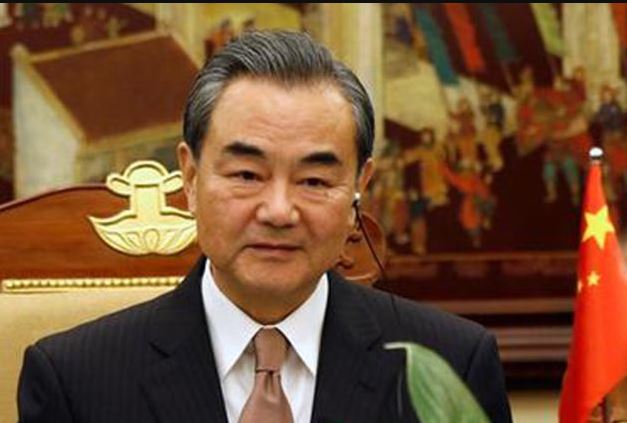
One of the biggest international stories involving China today centers on Foreign Minister Wang Yi, who is chairing a high-level United Nations Security Council meeting in New York. The diplomatic visit is being closely watched because it comes at a time of heightened geopolitical tension involving the United States, Taiwan, the Middle East, and trade relations across the Indo-Pacific. (Reuters)
According to reports, Wang Yi is also expected to hold talks with UN Secretary-General António Guterres and several foreign ministers from other member states. Analysts say Beijing is attempting to project itself as a stabilizing global power while simultaneously strengthening its influence in multilateral institutions. (Reuters)
The diplomatic campaign does not end in New York. After the UN meetings, Wang Yi is scheduled to travel to Canada for official talks. Observers believe the trip signals an effort by Beijing to stabilize relations with Western countries after years of trade friction and disputes over security issues. (Reuters)
Chinese state media emphasized themes of “cooperation,” “multilateralism,” and “shared development,” continuing Beijing’s broader messaging strategy aimed at the Global South and developing economies. These themes have become increasingly central to Chinese foreign policy under Xi Jinping. (Xinhua News)
Xi Jinping Expands Strategic Partnership With Serbia
Chinese President Xi Jinping hosted Serbian President Aleksandar Vučić in Beijing this week, where both countries signed more than 20 agreements covering technology, trade, education, and political cooperation. (lmtonline.com)
The visit is viewed as another example of China deepening ties with European and Balkan nations despite growing pressure from Western alliances. Chinese state broadcaster CCTV reported that Xi encouraged stronger cooperation in artificial intelligence, digital economy initiatives, and green energy projects. (lmtonline.com)
In a symbolic move, Xi awarded Vučić a Chinese “Friendship Medal,” underscoring the increasingly close relationship between Beijing and Belgrade. Analysts believe Serbia’s position outside the European Union’s core power structure makes it an attractive strategic partner for China’s Belt and Road ambitions in Europe. (lmtonline.com)
The joint statements from both governments criticized the politicization of human rights issues and emphasized sovereign equality between nations. Such language aligns with China’s long-standing argument that countries should avoid interfering in each other’s internal affairs. (lmtonline.com)
For China, the agreements also signal broader ambitions to maintain diplomatic influence in Eastern Europe while countering Western criticism on issues ranging from Taiwan to trade restrictions.
Deadly Floods Continue to Devastate Southern China
Severe flooding remains one of the most urgent domestic stories across China today. Torrential rains have battered multiple provinces, leaving deaths, missing persons, and mass evacuations in their wake. (Reuters)
In the southwestern municipality of Chongqing, authorities confirmed at least three deaths and 17 missing persons after sudden heavy rainfall triggered flooding in Yongchuan district. Chinese emergency teams continue rescue operations while central authorities have allocated emergency recovery funds for infrastructure repairs and disaster relief. (Reuters)
Elsewhere, provinces including Hunan, Hubei, and Guizhou have experienced catastrophic rainfall. State media reported that thousands of residents were evacuated after rivers overflowed and roads became submerged. In some areas, homes collapsed under the pressure of floodwaters. (AP News)
Meteorologists say the rainfall intensity has reached record levels in certain counties. One region reportedly recorded more than 339 millimeters of rain within a single 24-hour period. (AP News)
The disasters are renewing debates inside China about climate resilience, urban planning, and emergency response systems. Extreme weather events have become increasingly common across the country in recent years, with devastating floods, droughts, and heat waves affecting millions of citizens annually. (AP News)
Chinese authorities have mobilized rescue workers, military units, and emergency resources, but local officials face growing pressure to improve early warning systems and drainage infrastructure.
China Accelerates Strategic Mineral Reserves
Beijing has announced plans to speed up construction of strategic mineral reserve sites as competition intensifies over access to critical resources essential for advanced technology and green energy industries. (Reuters)
The move reflects China’s broader economic security strategy amid rising geopolitical tensions and restrictions on technology exports from Western nations. Minerals expected to be prioritized include rare earth materials, lithium, cobalt, and other resources needed for batteries, semiconductors, electric vehicles, and renewable energy infrastructure. (Reuters)
China already dominates many segments of the global rare earth supply chain. By increasing strategic stockpiles, Beijing appears determined to protect itself from future disruptions while strengthening leverage in international trade negotiations.
Analysts say the policy also connects directly to China’s industrial modernization goals. Advanced manufacturing, artificial intelligence, electric mobility, and defense technologies all depend heavily on secure access to these materials. (Reuters)
The announcement comes as governments around the world race to secure supply chains for the clean-energy transition. Western countries have increasingly expressed concern about dependence on Chinese-controlled mineral processing networks.
China’s Space Program Advances Toward Moon Ambitions
China’s rapidly growing space program remains a major source of national pride and global attention. Recent reports highlighted the successful launch of another crewed mission to the Tiangong space station, including a record-setting year-long stay for one astronaut. (Reuters)
The mission forms part of Beijing’s broader objective of achieving a crewed lunar landing before 2030. Chinese aerospace officials believe long-duration missions are critical for understanding the effects of space travel on human physiology and for preparing future lunar exploration programs. (Reuters)
Over the past decade, China has rapidly expanded its capabilities in satellite systems, lunar exploration, and independent space station technology. The country now positions itself as one of the leading global space powers alongside the United States and Russia.
Chinese media coverage has framed these achievements as evidence of scientific modernization and technological self-reliance. The program also serves strategic goals by strengthening expertise in aerospace engineering and advanced manufacturing.
Technology Competition With the United States Intensifies
The technology rivalry between China and the United States continues to dominate economic and political discussions. Several recent reports focused on debates surrounding semiconductor exports, artificial intelligence regulation, and advanced chip manufacturing. (The Asia Cable)
American lawmakers have raised concerns that allowing sales of advanced AI chips to China could strengthen Chinese military and technological capabilities. At the same time, Chinese companies are accelerating efforts to build domestic semiconductor independence in response to export restrictions imposed by Washington. (The Asia Cable)
One major development involves Yangtze Memory Technologies Company (YMTC), China’s leading flash-memory chipmaker. Reports indicate the company has begun preparations for a possible stock market listing while continuing expansion plans despite sanctions and restrictions from the United States. (The Asia Cable)
Chinese policymakers increasingly view technological self-sufficiency as a national security priority. From AI to quantum computing and semiconductor manufacturing, Beijing has invested heavily in reducing reliance on foreign technology suppliers.
The competition extends beyond economics. Both Washington and Beijing view technological leadership as central to military strength, global influence, and future economic dominance.
Pakistan-China Relations Strengthen Further
Pakistan Prime Minister Shehbaz Sharif is concluding a multi-day visit to China that analysts say reinforces the long-standing strategic partnership between both countries. (Reuters)
The trip follows continued cooperation on infrastructure, defense, energy, and regional diplomacy under the China-Pakistan Economic Corridor (CPEC), one of the flagship components of China’s Belt and Road Initiative. (Reuters)
Officials from both countries have emphasized economic development, connectivity, and security coordination. China remains one of Pakistan’s largest investors and diplomatic allies, while Pakistan provides Beijing with important strategic access routes linking western China to the Arabian Sea.
The visit also reflects China’s broader emphasis on strengthening relationships across Asia, the Middle East, and Africa at a time when global alliances are shifting rapidly.
Chinese Media Focuses on Tourism and Cultural Confidence
Chinese state media today prominently featured stories celebrating domestic tourism, cultural industries, and local development projects. (Xinhua News)
Among the highlighted topics were growing inbound tourism in Shanghai, cultural exhibitions in Shenzhen, agricultural harvest festivals in Anhui province, and environmental tourism projects in Guizhou and Hebei. (Xinhua News)
The emphasis reflects Beijing’s ongoing effort to boost domestic consumption and restore confidence in sectors affected by previous economic slowdowns. Tourism and cultural spending are increasingly viewed as important growth drivers for the post-pandemic Chinese economy.
At the same time, official media continues promoting narratives of modernization, stability, and technological advancement to domestic and international audiences alike.
Economic Outlook Remains Closely Watched
China’s economic trajectory remains one of the world’s most closely monitored issues. Although growth has stabilized compared with earlier pandemic-era disruptions, concerns persist over debt, property markets, youth unemployment, and global trade pressures. (Reuters)
Reports from financial observers suggest Chinese policymakers may continue balancing stimulus measures with longer-term restructuring goals. Authorities are prioritizing advanced manufacturing, renewable energy, artificial intelligence, and strategic industries while attempting to reduce vulnerabilities in real estate and local government financing.
International investors are also paying close attention to trade relations between Beijing and Washington, particularly regarding tariffs, export controls, and technology restrictions.
Despite these challenges, China remains the world’s second-largest economy and a central player in global manufacturing, energy transition policies, and international commerce.
Leave a Reply