
Fashion in 2026 is entering one of its most exciting eras in decades. After years of experimentation, rapid trend cycles, and the constant influence of social media, the industry has begun moving toward a more thoughtful balance between innovation and practicality. Designers are no longer focused solely on creating viral moments. Instead, they are developing collections that combine creativity, sustainability, technology, craftsmanship, and personal expression. The result is a fashion landscape that feels simultaneously futuristic and deeply human.
Consumers today are approaching fashion differently than they did just a few years ago. Rather than blindly following every trend, people are building wardrobes that reflect their identities while remaining adaptable to changing lifestyles. Hybrid work environments, growing environmental awareness, technological advancements, and a renewed appreciation for quality have all shaped the way fashion is evolving. The trends defining 2026 reflect these shifts, offering a fresh perspective on how people dress, shop, and express themselves.
From sophisticated oversized tailoring and elevated minimalism to wearable technology and eco-conscious luxury, these are the trends setting the tone for fashion in 2026.
The Rise of Elevated Oversized Tailoring
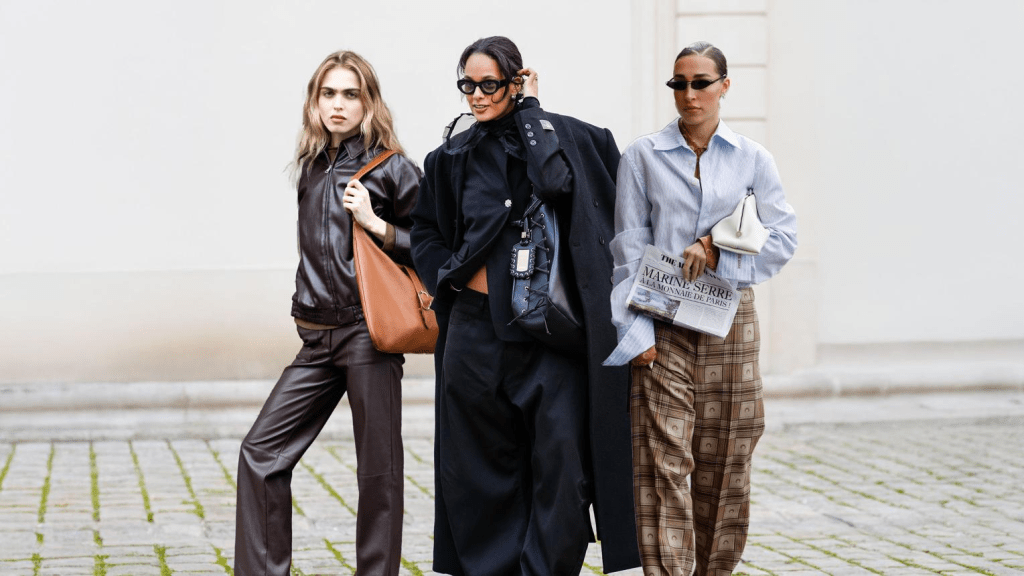
Oversized fashion continues its reign in 2026, but the aesthetic has matured considerably. Rather than appearing intentionally baggy or exaggerated, oversized tailoring now focuses on precision, structure, and refinement. Designers are creating garments with broader shoulders, longer silhouettes, and relaxed proportions while maintaining sharp construction and impeccable fit.
Blazers have become a centerpiece of modern wardrobes. Longline jackets paired with wide-leg trousers create powerful silhouettes that feel both comfortable and sophisticated. The trend has expanded beyond formalwear, influencing everyday dressing through oversized shirts, trench coats, and coordinated sets.
What makes this trend particularly significant is its versatility. An oversized blazer can transition seamlessly from a professional setting to an evening event. Consumers appreciate clothing that performs multiple roles, and elevated tailoring delivers exactly that. The look projects confidence without sacrificing comfort, making it one of the defining aesthetics of the year.
Fashion houses have embraced softer fabrics and fluid movement within tailored garments, allowing structured pieces to feel more approachable. This balance between authority and ease perfectly captures the spirit of 2026 fashion.
Sustainable Luxury Becomes the Standard

Sustainability is no longer a niche concern or marketing buzzword. In 2026, it has become a central pillar of the fashion industry. Consumers increasingly expect brands to demonstrate transparency regarding sourcing, production, labor practices, and environmental impact.
Luxury brands are leading a significant transformation by investing in regenerative materials, circular production systems, and innovative textiles derived from natural and recycled sources. The conversation has shifted from simply using recycled fabrics to creating entire ecosystems designed to minimize waste.
Many collections now highlight craftsmanship and longevity rather than disposable trends. Investment dressing has become a major movement, encouraging shoppers to purchase fewer but better pieces. High-quality garments designed to last for years are replacing fast-fashion purchases that quickly lose relevance.
The appeal of sustainable luxury lies not only in environmental responsibility but also in the elevated experience it provides. Consumers are increasingly drawn to stories behind garments—where materials originated, who crafted them, and how they contribute to a more responsible future. Fashion in 2026 reflects a growing belief that luxury should be measured by quality, ethics, and durability rather than excess alone.
Soft Futurism Takes Center Stage
For years, futuristic fashion was often associated with metallic fabrics, dramatic silhouettes, and science-fiction-inspired designs. In 2026, however, futurism has evolved into something more wearable and accessible.
Soft futurism combines sleek aesthetics with practical functionality. Designers are incorporating innovative materials, subtle technical details, and clean architectural lines into everyday clothing. The result is fashion that feels modern without appearing costume-like.
Silver accents, reflective surfaces, monochromatic palettes, and minimalist construction define this trend. Rather than overwhelming the wearer, futuristic elements are integrated thoughtfully through fabric choices, accessories, and garment engineering.
Consumers are increasingly attracted to clothing that feels forward-thinking while remaining timeless. Soft futurism answers this demand by creating pieces that look contemporary today yet are unlikely to appear dated tomorrow.
The trend also reflects broader societal optimism about technology and innovation. Instead of fearing the future, fashion is embracing it through designs that emphasize adaptability, intelligence, and possibility.
Smart Clothing and Fashion Technology
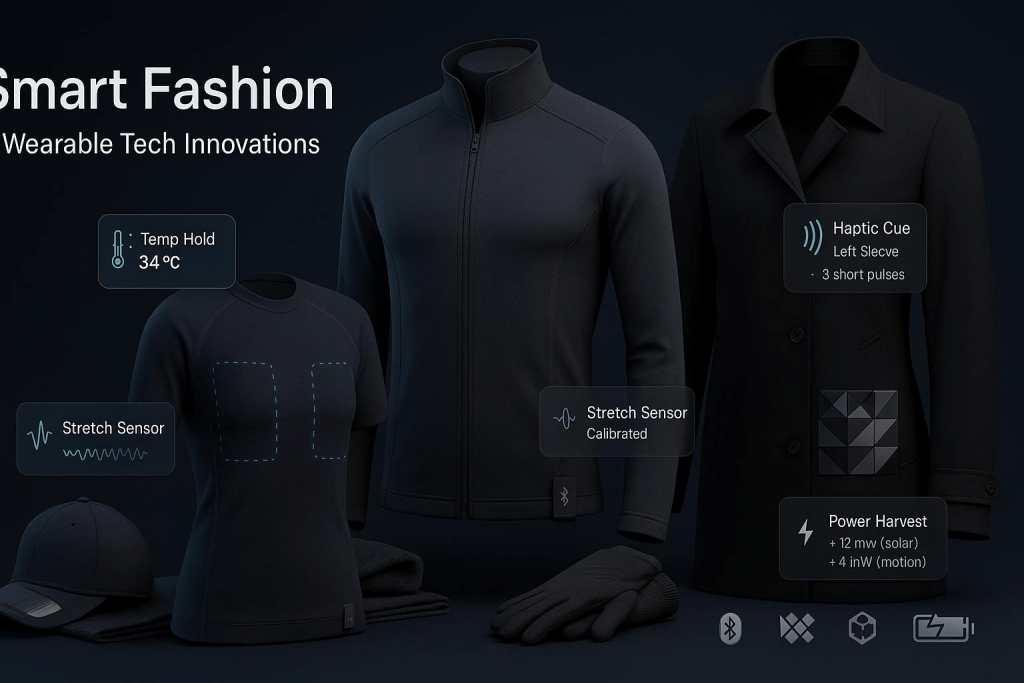
Technology is becoming an increasingly visible part of the fashion conversation. While smart clothing once seemed like a distant concept, 2026 is seeing significant progress in wearable innovation.
Fashion brands are experimenting with fabrics capable of monitoring temperature, adjusting insulation, and enhancing comfort throughout the day. Athletic and performance wear have become major testing grounds for these advancements, but luxury and everyday fashion are also beginning to adopt intelligent textile technologies.
The integration of technology is no longer focused solely on novelty. Consumers want practical benefits that improve daily life. Clothing that responds to environmental conditions, enhances durability, or offers personalized functionality has gained substantial appeal.
At the same time, digital fashion continues to influence physical design. Virtual environments, gaming culture, and digital creativity are inspiring new patterns, silhouettes, and visual concepts. The boundary between digital and physical fashion continues to blur, opening new opportunities for creative expression.
As technology becomes more seamlessly integrated into garments, it is likely to play an even greater role in defining fashion’s future.
The Return of Rich Color
After years dominated by neutral palettes, 2026 is witnessing a vibrant resurgence of color. Designers are embracing bold shades that evoke energy, optimism, and individuality.
Electric blue, saturated orange, emerald green, rich burgundy, and vivid yellow are appearing across collections. These colors are often used strategically, serving as focal points within otherwise minimalist outfits.
Color blocking has returned in a sophisticated form, with unexpected combinations creating visually striking ensembles. Rather than relying on loud patterns, many designers are allowing color itself to become the primary statement.
This renewed enthusiasm for color reflects broader cultural shifts. As consumers seek joy and self-expression, vibrant clothing offers a powerful emotional outlet. Fashion has always responded to social moods, and the colorful optimism of 2026 suggests a desire for confidence and creativity.
Even traditionally conservative wardrobes are incorporating stronger hues through accessories, outerwear, and statement pieces. The result is a more dynamic and expressive approach to dressing.
Gender-Fluid Fashion Continues to Expand
The movement toward gender-fluid fashion has gained remarkable momentum, and in 2026 it is more influential than ever. Designers are increasingly creating collections that prioritize personal style over traditional gender categories.
Silhouettes, fabrics, and styling approaches are becoming more inclusive and versatile. Many garments are intentionally designed to be worn by anyone, regardless of gender identity. Wide-leg trousers, oversized shirts, flowing outerwear, and relaxed tailoring are among the pieces driving this shift.
Consumers are responding positively because gender-fluid fashion offers greater freedom. Rather than being confined by outdated rules, individuals can build wardrobes that align with their personalities and preferences.
This evolution is also encouraging brands to rethink sizing, marketing, and retail experiences. Inclusivity is becoming an essential aspect of modern fashion rather than an optional consideration.
The growing popularity of gender-fluid design highlights fashion’s ability to adapt to changing cultural values while fostering creativity and self-expression.
Quiet Luxury Evolves
Quiet luxury remains influential in 2026, but it has evolved beyond its original interpretation. The trend is no longer simply about wearing expensive items without visible logos. Instead, it emphasizes craftsmanship, material quality, and timeless design.
Consumers are becoming more educated about construction techniques, fabric composition, and garment longevity. They appreciate subtle details that signal quality without relying on overt branding.
Cashmere knits, tailored coats, premium denim, and expertly crafted leather goods continue to dominate wardrobes. However, quiet luxury now incorporates more personality than in previous years. Small touches of color, texture, and individuality prevent the aesthetic from feeling overly restrained.
This evolution reflects a growing desire for authenticity. Consumers want pieces that feel meaningful rather than performative. Fashion in 2026 celebrates confidence rooted in quality rather than conspicuous consumption.
The Influence of Vintage and Heritage Fashion
Vintage fashion remains a powerful force shaping contemporary design. Rather than simply recreating past trends, designers are drawing inspiration from multiple decades and reinterpreting them through a modern lens.
Elements from the 1970s, 1990s, and early 2000s continue to influence collections. However, these references are blended with contemporary tailoring, sustainable materials, and innovative construction techniques.
Consumers are increasingly exploring vintage shopping as a way to discover unique pieces and reduce environmental impact. The thrill of finding one-of-a-kind garments has become part of fashion’s appeal.
Heritage craftsmanship is also experiencing renewed appreciation. Traditional weaving, embroidery, tailoring, and artisanal techniques are being preserved and celebrated within modern collections.
This fusion of past and present creates a rich narrative that resonates with consumers seeking authenticity and individuality.
Statement Accessories Make a Comeback
Accessories are playing a larger role in defining personal style during 2026. Rather than serving as afterthoughts, bags, shoes, jewelry, and eyewear have become central components of fashion storytelling.
Sculptural handbags, oversized sunglasses, bold jewelry, and architectural footwear are among the year’s standout trends. These pieces allow consumers to transform simple outfits into memorable looks without requiring entirely new wardrobes.
The popularity of statement accessories aligns with the broader shift toward intentional consumption. Investing in distinctive accessories offers versatility and longevity while enabling creative experimentation.
Designers are increasingly treating accessories as works of art, combining craftsmanship with innovation. As a result, these items often become the focal point of an ensemble.
Relaxed Elegance Defines Everyday Style
Perhaps the most significant trend of 2026 is the rise of relaxed elegance. Consumers are prioritizing comfort without sacrificing sophistication, leading to a new approach to dressing that values ease and refinement equally.
Flowing trousers, lightweight knitwear, relaxed suiting, and versatile dresses exemplify this aesthetic. Fabrics are chosen for their softness and movement, while silhouettes remain polished and intentional.
The trend reflects changing lifestyles in which individuals move fluidly between professional, social, and personal environments throughout the day. Clothing must adapt accordingly.
Relaxed elegance offers a solution by creating wardrobes that feel effortless yet elevated. It demonstrates that comfort and style are no longer opposing concepts but complementary elements of modern fashion.
Looking Ahead
Fashion in 2026 is defined by balance. It embraces innovation without abandoning tradition, celebrates individuality while promoting inclusivity, and prioritizes sustainability alongside luxury. The trends shaping the year reveal an industry becoming more thoughtful, responsible, and adaptable.
What stands out most is the shift toward meaningful fashion choices. Consumers are seeking garments that align with their values, support their lifestyles, and express their identities. Designers are responding with collections that emphasize quality, versatility, and creativity.
Whether through oversized tailoring, sustainable craftsmanship, wearable technology, rich color palettes, or gender-fluid design, fashion in 2026 reflects a world eager to move forward while remaining connected to authenticity and purpose. It is a year defined not by fleeting trends alone but by a broader transformation in how people think about style, consumption, and self-expression.
As the industry continues to evolve, one thing remains clear: fashion’s future is not just about what people wear. It is about how clothing helps individuals navigate an increasingly complex and interconnected world. The trends defining 2026 offer a glimpse into that future—a future that is innovative, inclusive, sustainable, and undeniably stylish.
Leave a Reply