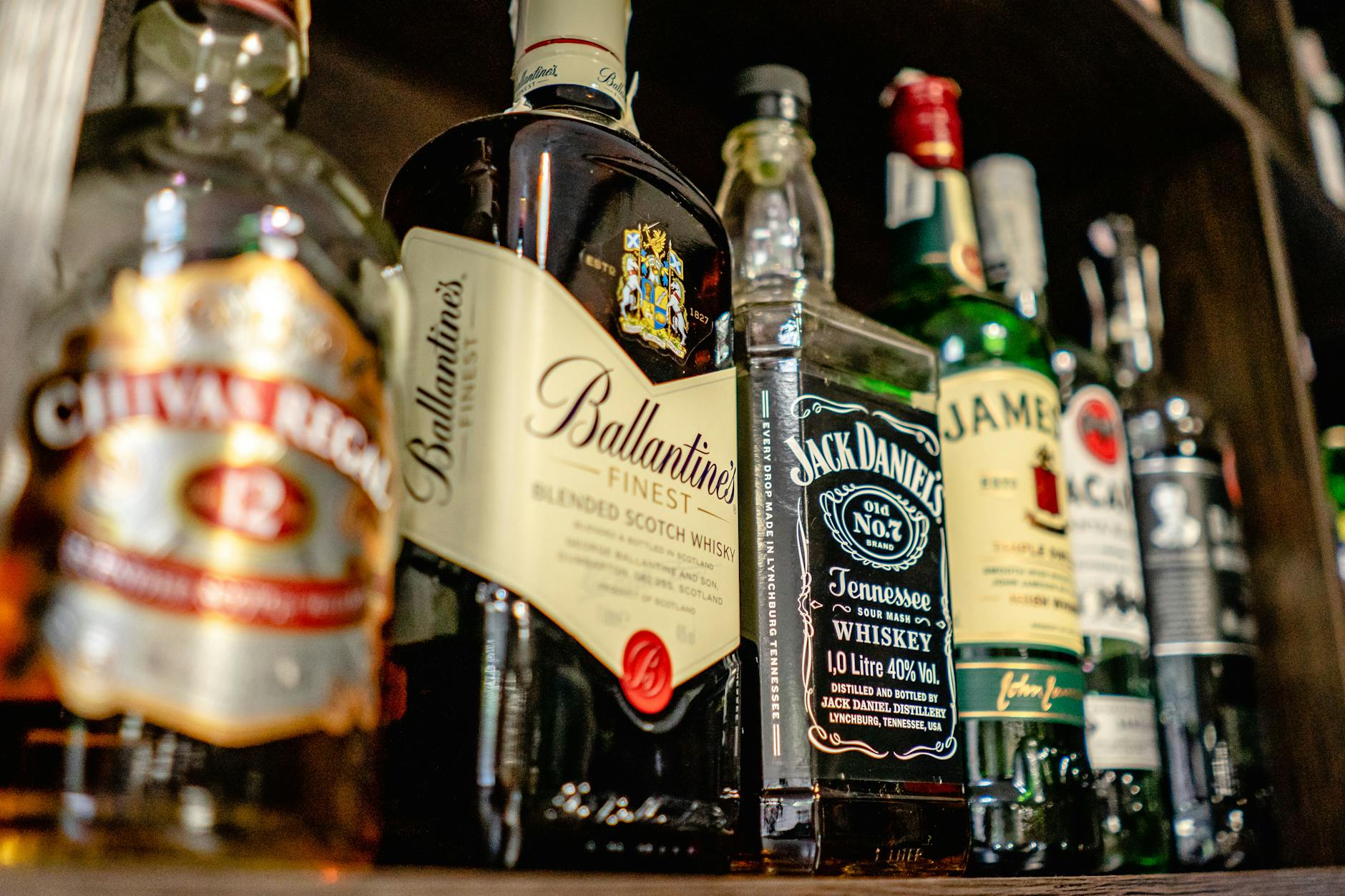
For many of us, a glass of wine with dinner or a beer after work feels as routine as breathing. It’s relaxation in a bottle, a social lubricant, a way to unwind. But alcohol is also a toxin—a fact we often conveniently forget. When you drink regularly, your body builds a tolerance, working overtime to process the poison and keep you functional.
So, what actually happens when you take the glass away?
Whether you’re doing “Dry January,” taking a month off, or quitting for good, the transformation your body undergoes is nothing short of remarkable. It’s a journey that starts within hours and continues for years. But fair warning: the road to recovery starts with a bumpy first few days.
The First 24 Hours: The Shock of Sobriety
6–12 Hours: The Withdrawal Creeps In
If you are a heavy, daily drinker, the first few hours feel fine. But as the alcohol completely leaves your system, your brain, which has been chemically suppressed, suddenly jolts awake. Without the depressive effects of booze, your nervous system goes into overdrive.
This is the onset of withdrawal. You may experience:
- Restlessness and anxiety
- Insomnia (ironically, the sleep aid has worn off)
- Mild headaches and nausea
12–24 Hours: The Sugar Crash
Alcohol is packed with sugars and carbohydrates. When you stop, your blood sugar levels may drop, leaving you craving sweets or carbs. Your body is desperately searching for that quick energy hit it lost.
Days 2–3: The “Pain Before the Gain” Phase
The Withdrawal Peak
This is the hardest part. For moderate to heavy drinkers, days 2 and 3 are when withdrawal symptoms peak. Your blood pressure may rise, your heart rate might increase, and you might experience intense mood swings or brain fog. This is because your brain’s neurotransmitters (GABA and glutamate) are wildly out of balance, trying to find a new equilibrium without the chemical crutch.
Sleep Gets Worse Before It Gets Better
You might toss and turn, drenched in night sweats. While alcohol helps you fall asleep, it destroys REM sleep—the deep, restorative stage where memories are processed. Now, your brain is playing catch-up with a massive “REM rebound.” You’ll have vivid, bizarre dreams, but your sleep will be fragmented.
Gastrointestinal Uprising
Your stomach lining, which was irritated by the alcohol, begins to heal. But as it does, you might experience bloating, gas, or changes in bowel movements. Your gut microbiome is going through a regime change—the bad bacteria are dying off, and the good bacteria are starting to repopulate.
Week 1: The Fog Begins to Lift
Hydration Restoration
Alcohol is a diuretic. By week one, your body’s fluid balance is finally restored. The puffy face, the bags under your eyes, and that general “bloated” look start to recede. You will notice your skin looking less sallow and more hydrated.
Blood Pressure Plummets
Within just 5–7 days, your blood pressure begins to drop significantly. Your blood vessels, which were constricted and inflamed, begin to relax. The heart, no longer forced to pump against high resistance, starts working more efficiently. For some, this can lower systolic pressure by 5–10 mmHg in a week.
The Anxiety Paradox
Without the depressant in your system, your baseline anxiety might actually feel higher in the first few days. But by the end of week one, many people report a profound sense of calm. Your nervous system is recalibrating, and the “chemical anxiety” caused by alcohol withdrawal (which often mimics panic attacks) starts to fade.
Month 1: The Metabolic Overhaul
The Liver Begins to Heal
The liver is the only organ that can completely regenerate itself—provided you stop damaging it. After just one month of abstinence, liver fat drops dramatically (often by 15–20%). Inflammation markers (like GGT and ALT enzymes) normalize, lowering the risk of developing fatty liver disease.
Sleep Becomes Sacred
By now, your circadian rhythm is completely reset. You are no longer waking up at 3:00 AM because your blood sugar crashed or your liver finished metabolizing the alcohol. You fall asleep faster, stay asleep longer, and wake up genuinely refreshed. This is arguably the most cherished benefit.
The Scale Moves
Those empty calories—hundreds, sometimes thousands per week—are gone. Without the booze bloat and with your metabolism running properly, weight loss becomes noticeable, particularly around the midsection (where alcohol specifically encourages fat storage).
Skin Regeneration
Your skin’s cell turnover rate normalizes. You’ll notice reduced redness, fewer breakouts, and a natural glow returning as the body’s collagen production (damaged by sugar and dehydration) begins to repair itself.
Month 3–6: The Cognitive Comeback
Neuroplasticity in Action
Your brain has been busy. By the three-month mark, the grey matter in your brain—which shrinks with chronic alcohol use—begins to thicken again. Cognitive functions like working memory, problem-solving, and spatial awareness improve noticeably.
The “Anhedonia” Phase Passes
In early sobriety, many people feel bored. Nothing is “as fun” as drinking was. But by 3–6 months, your brain’s dopamine receptors have re-regulated. You begin to find genuine joy in simple activities again—a walk in the park, a good book, or a deep conversation. The natural highs return.
Cancer Risk Drops
Alcohol is a Group 1 carcinogen. After several months off the booze, your risk of certain cancers (mouth, throat, esophagus) drops significantly. Your immune system is firing on all cylinders, making you more resilient to colds and infections.
1 Year and Beyond: The Longevity Boost
Heart Disease Risk Halves
Studies show that after one year of abstinence, the risk of coronary heart disease drops by nearly 50% compared to active drinkers.
Telomere Preservation
These are the protective caps at the ends of your DNA strands. Alcohol shortens them, speeding up biological aging. A year off alcohol slows this process, effectively preserving your cellular youth.
Emotional Regulation
Perhaps the most profound change is emotional. By year one, you have faced stress, joy, sadness, and boredom—all without a drink. You’ve retrained your brain to cope using healthier mechanisms. Your relationships improve because you are truly present.
The Bottom Line: It’s Not About Perfection
You don’t have to be an alcoholic to benefit from quitting. Even a 30-day break can lower blood pressure, improve insulin sensitivity, and give your liver a much-needed vacation.
The first few days are brutal. That’s the chemical dependency leaving your body, and it’s fighting you for it. But if you can push through the insomnia and the cravings, you unlock a version of yourself with sharper focus, clearer skin, deeper sleep, and an emotional steadiness that no bottle can provide.
Put down the glass. Your body will send you a thank-you note in about 72 hours—and it will keep writing for years to come.
Leave a Reply