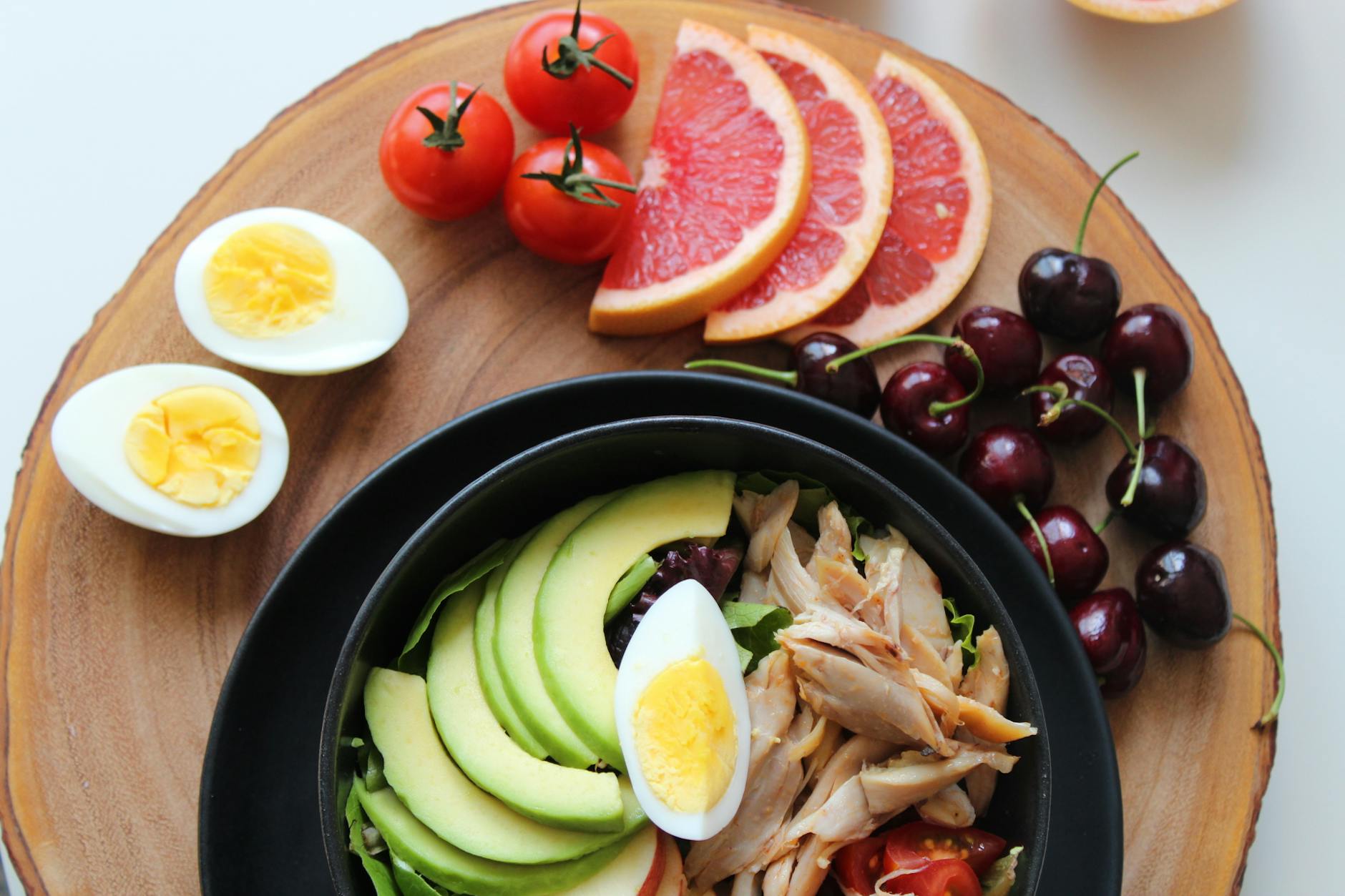
Blood pressure is the silent vital sign. It creeps up slowly, often with no warning signs, until one day it becomes a full-blown health crisis. Nearly half of American adults have high blood pressure – and most don’t even know it. But here’s the empowering truth: what you put on your plate has an immediate and profound impact on those numbers. Within hours of eating, your blood pressure can rise or fall based on your food choices.
The question isn’t whether diet matters for blood pressure – it’s which foods are helping you and which are quietly hurting you. Let’s break down the culprits and the champions.
The Offenders: Foods That Send Blood Pressure Soaring
1. Sodium – The Number One Villain
Sodium is the undisputed heavyweight champion of blood pressure elevators. It works by causing your body to retain fluid, which increases the volume of blood in your vessels and forces your heart to work harder. Over time, this extra workload stiffens arteries and damages the delicate lining of blood vessels.
The average American consumes about 3,400 mg of sodium per day – far exceeding the recommended limit of 2,300 mg (about one teaspoon of salt). For those with hypertension, the goal is even lower: 1,500 mg.
But here’s the kicker: most sodium doesn’t come from your salt shaker. A whopping 70% comes from processed and packaged foods. Think canned soups, deli meats, frozen pizzas, fast food, instant noodles, and even seemingly innocent items like bread and breakfast cereals. A single slice of store-bought bread can contain 150 mg of sodium – and that’s before you add cheese, cold cuts, or condiments.
Sodium-rich culprits to watch:
- Canned vegetables with added salt
- Pickles and olives
- Soy sauce, teriyaki sauce, and salad dressings
- Bacon, sausage, and hot dogs
- Processed cheese
- Restaurant meals (often loaded with salt for flavor)
2. Added Sugars and Refined Carbs
Sugar doesn’t just affect your waistline – it also raises blood pressure. High sugar intake, especially from sugary drinks like sodas and fruit juices, has been linked to elevated systolic blood pressure. One theory is that sugar triggers inflammation, which impairs blood vessel function and increases insulin resistance, leading to higher pressure.
The worst offenders:
- Sugary beverages (sodas, sweetened teas, energy drinks)
- Pastries, doughnuts, and cookies
- White bread, white rice, and other refined grains
- Breakfast cereals with added sugar
3. Saturated and Trans Fats
While fats don’t directly spike blood pressure in the same way sodium does, they contribute to atherosclerosis – the buildup of plaque in arteries. Narrower, stiffer arteries mean higher resistance to blood flow, which drives pressure up. Trans fats are the worst, but excessive saturated fats from red meat and full-fat dairy can also play a role.
Limit these:
- Red meat (especially processed)
- Butter, lard, and palm oil
- Commercial baked goods with hydrogenated oils
4. Alcohol – The Subtle Spiker
A glass of wine might seem harmless, but regular drinking above moderate levels – more than one drink per day for women or two for men – is a proven risk factor for hypertension. Alcohol increases cortisol (the stress hormone) and can damage blood vessel walls over time. Even acute binge drinking can cause dangerous spikes.
The Heroes: Foods That Naturally Lower Blood Pressure
1. Potassium-Rich Foods – The Sodium Antidote
Potassium is sodium’s natural counterbalance. It helps your kidneys flush out excess sodium, relaxes blood vessel walls, and reduces tension in artery walls. The more potassium you eat, the more sodium you excrete – a direct blood-pressure-lowering effect.
Top potassium sources:
- Bananas – the classic, with 422 mg per medium fruit
- Sweet potatoes – one medium has over 500 mg
- Spinach – cooked spinach boasts 839 mg per cup
- Avocados – one gives you about 975 mg
- White beans – a cup provides nearly 1,200 mg
- Salmon – wild-caught is rich in both potassium and omega-3s
Aim for 3,500–4,700 mg of potassium daily – but check with your doctor if you have kidney issues, as excess potassium can be dangerous.
2. Beets and Leafy Greens – The Nitrate Powerhouses
Beets have become a darling of the heart health world for good reason. They’re packed with dietary nitrates, which your body converts into nitric oxide. This molecule is a vasodilator – it widens blood vessels, improving blood flow and reducing pressure significantly. A 2022 meta-analysis found that drinking beetroot juice lowered systolic blood pressure by about 4–5 mmHg within hours.
Other nitrate-rich heroes:
- Kale, spinach, arugula, and Swiss chard
- Celery – contains a compound called phthalide that relaxes arteries
- Radishes and turnips
3. Berries – The Flavonoid Fortress
Blueberries, strawberries, raspberries, and blackberries are bursting with anthocyanins – flavonoids that improve blood vessel function and reduce inflammation. A large study of over 34,000 women found that those who ate blueberries and strawberries at least twice a week had a 32% lower risk of hypertension.
Why they work: Flavonoids boost nitric oxide production, helping arteries dilate. They also reduce oxidative stress, which damages vessel linings.
4. Fatty Fish – Omega-3s for Vascular Health
Salmon, mackerel, sardines, and herring are rich in EPA and DHA – the long-chain omega-3 fatty acids. These fats lower blood pressure by reducing inflammation, improving arterial elasticity, and even helping to regulate heart rate. Studies show that about 3 grams of omega-3s daily can lower systolic pressure by about 4 mmHg.
5. Oats and Whole Grains – The Fiber Effect
The soluble fiber in oats (beta-glucan) does more than lower cholesterol – it also helps regulate blood pressure. Fiber improves gut health, which influences inflammation and insulin sensitivity, both linked to blood pressure. Replacing refined grains with whole grains (quinoa, brown rice, barley) can produce a noticeable drop.
6. Garlic and Onions – The Sulfur Saviors
Garlic contains allicin, a compound that triggers the release of hydrogen sulfide – a gas that relaxes blood vessels. Regular garlic consumption has been shown to lower systolic pressure by about 5–8 mmHg in hypertensive individuals. Onions and leeks offer similar benefits.
7. Dark Chocolate – A Sweet (and Bitter) Treat
Cocoa flavanols improve nitric oxide production, leading to blood vessel dilation. A daily square of dark chocolate (70%+ cocoa) can lower blood pressure by about 2–3 mmHg – a modest but meaningful effect. Just watch the sugar and calories.
The DASH Diet: A Blueprint for Success
The Dietary Approaches to Stop Hypertension (DASH) diet is the gold standard, consistently proven to lower blood pressure as effectively as medication in some cases. It emphasizes:
- Fruits and vegetables – 5–10 servings daily
- Whole grains – 6–8 servings daily
- Low-fat dairy – 2–3 servings
- Lean protein – fish, poultry, beans, nuts
- Limited sodium – under 2,300 mg (or 1,500 mg for stricter control)
- Minimal sweets and saturated fats
In clinical trials, DASH lowered systolic pressure by 11 mmHg in hypertensive individuals – results comparable to a low-dose blood pressure pill.
A Blood-Pressure-Friendly Day on a Plate
Breakfast: Overnight oats made with rolled oats, sliced banana, blueberries, and a tablespoon of ground flaxseed.
Lunch: Quinoa bowl with roasted sweet potatoes, black beans, avocado, and a drizzle of lemon-tahini dressing. Side of sliced beets.
Snack: A handful of walnuts and an apple.
Dinner: Grilled salmon with a side of sautéed spinach and garlic, plus a serving of brown rice.
Dessert: One square of 85% dark chocolate.
Drink: Herbal tea or water – and skip the soda.
The Takeaway: Small Swaps, Big Drops
High blood pressure isn’t a life sentence – it’s a dietary equation waiting to be solved. Replacing processed, salty, sugary foods with whole, potassium-rich, nitrate-packed, and fiber-filled options can transform your numbers in weeks, not years. Studies show that a consistent heart-healthy diet can lower systolic pressure by 10–20 mmHg – enough to reduce heart attack risk by 30% and stroke risk by 40%.
Start small: swap the salt shaker for herbs, trade a soda for water, add a serving of greens to one meal daily. Your blood pressure will thank you – and your heart will too.
Leave a Reply