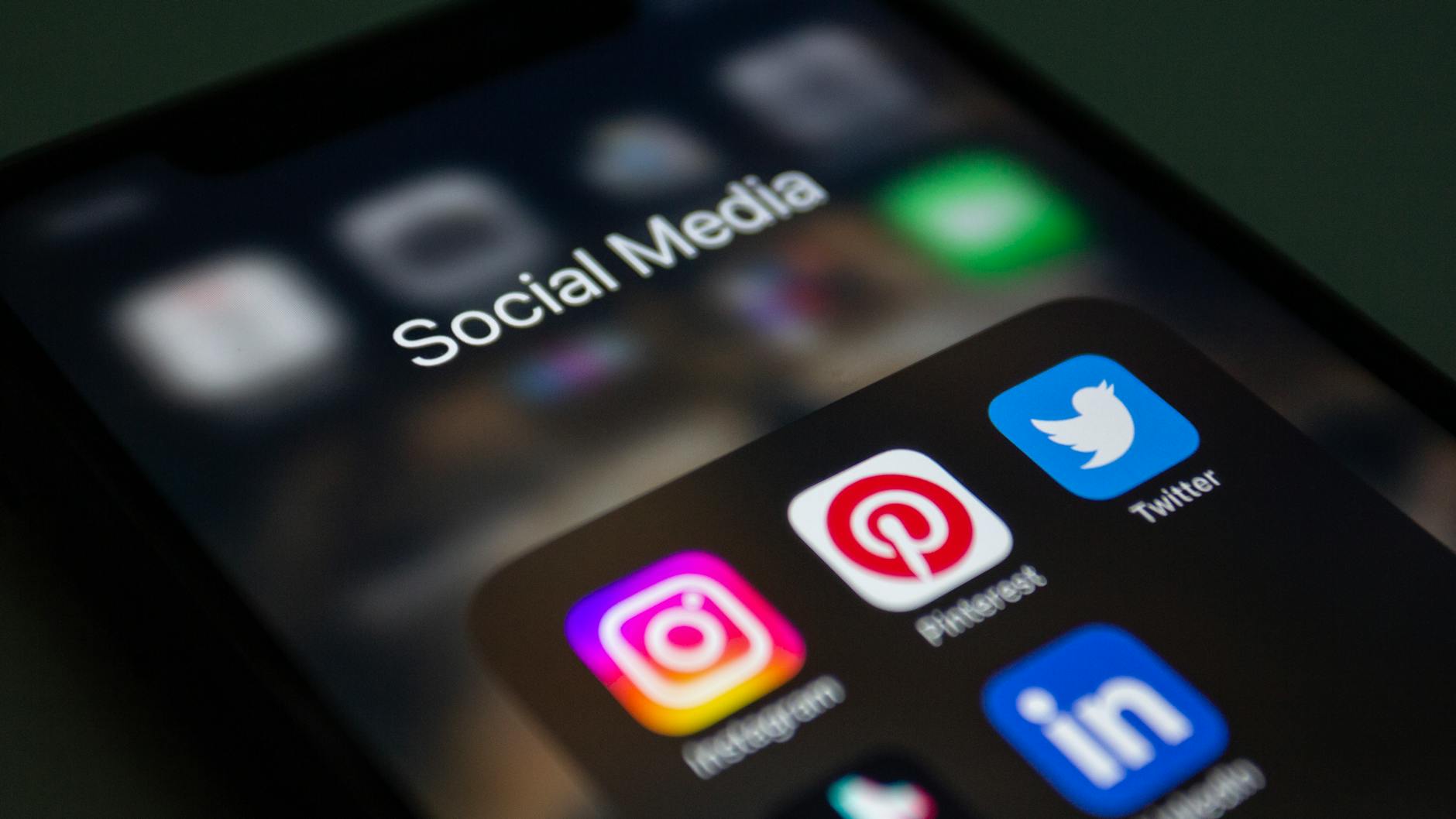
For millions of teenagers and young adults, social media has become an inseparable part of everyday life. From waking up to check notifications to scrolling through videos before bed, platforms such as Instagram, TikTok, Snapchat, X, and Facebook have transformed the way young people communicate, learn, and entertain themselves.
Social media has undoubtedly brought many benefits. It allows people to stay connected across continents, discover educational content, build businesses, express creativity, and find communities that share their interests. For many young people, it has become a gateway to opportunities that would have been unimaginable just two decades ago.
However, behind the filters, viral trends, and endless streams of content lies a growing concern. Mental health experts, educators, and parents are increasingly warning about the harmful effects excessive social media use can have on teenagers and young adults. While social media itself is not inherently dangerous, the way it is designed and consumed can significantly influence emotional well-being, relationships, academic performance, and even personal safety.
The Pressure to Live a “Perfect” Life
One of the greatest dangers of social media is the culture of comparison.
Teenagers are constantly exposed to carefully curated images of seemingly perfect lives. Friends post vacation photos, influencers showcase luxury lifestyles, celebrities display flawless appearances, and content creators often present only their happiest moments.
What many young users fail to realize is that social media represents highlights rather than reality.
When young people compare their everyday lives with these polished snapshots, they may begin to feel inadequate. They may question their appearance, achievements, friendships, or financial status, believing they are somehow falling behind.
Over time, this constant comparison can damage self-esteem, increase anxiety, and contribute to feelings of loneliness and depression.
Mental Health Under Pressure
Research continues to show an association between heavy social media use and mental health challenges among adolescents and young adults.
Constant notifications encourage users to check their phones repeatedly throughout the day. Every like, comment, or share provides a small burst of satisfaction, encouraging people to return to the platform again and again.
This cycle can gradually become addictive.
Many teenagers begin to measure their self-worth by online engagement. A post that receives fewer likes than expected may leave them feeling rejected, while negative comments or online criticism can have lasting emotional effects.
In some cases, excessive social media use has been linked to increased stress, sleep problems, anxiety disorders, and depressive symptoms, particularly when it replaces meaningful face-to-face interactions or healthy daily routines.
Cyberbullying Never Sleeps
Unlike traditional bullying, cyberbullying follows its victims everywhere.
Cruel messages, embarrassing photos, fake accounts, public humiliation, and hateful comments can spread within minutes and reach hundreds or even thousands of people.
Because social media operates around the clock, many victims feel they have no escape. The emotional consequences can be severe, including low self-confidence, social withdrawal, academic decline, and, in extreme cases, self-harm or suicidal thoughts.
The anonymity offered by many platforms often encourages individuals to say things online that they would never say in person, making digital spaces particularly hostile for vulnerable teenagers.
Sleep Deprivation and Digital Addiction
Healthy sleep is essential for physical growth, emotional regulation, and learning. Unfortunately, social media often interferes with it.
Many teenagers stay awake long after bedtime scrolling through endless videos or chatting with friends. Others wake up repeatedly during the night to check notifications or respond to messages.
Blue light emitted from smartphone screens can disrupt the body’s natural sleep cycle, making it more difficult to fall asleep and reducing sleep quality.
Poor sleep affects concentration, memory, mood, academic performance, and overall health. Over time, chronic sleep deprivation can become a serious concern.
The Rise of Unrealistic Beauty Standards
Filters and photo-editing tools have changed the way beauty is presented online.
Smooth skin, altered body shapes, perfect lighting, and digitally enhanced appearances create unrealistic expectations that few people can naturally achieve.
Teenagers who are still developing their identities may begin to believe these edited images represent reality. This can lead to body dissatisfaction, unhealthy dieting, excessive exercise, eating disorders, or cosmetic procedure aspirations at increasingly younger ages.
Learning to distinguish edited content from authentic reality has become an essential digital literacy skill.
The Spread of Misinformation
Social media allows information to travel faster than ever before.
Unfortunately, false information often spreads just as quickly as factual reporting.
Young users may encounter misleading health advice, conspiracy theories, manipulated videos, fake news, or financial scams without realizing the content is inaccurate.
Because algorithms prioritize engagement rather than accuracy, sensational claims often receive more attention than carefully verified information.
Developing critical thinking skills and verifying information through reliable sources has never been more important.
Online Predators and Privacy Risks
Teenagers frequently share personal information without fully understanding the long-term consequences.
Photos, school locations, travel plans, birthdays, and even live locations may be visible to strangers.
This creates opportunities for identity theft, scams, stalking, online grooming, and other forms of digital exploitation.
Many young users also accept friend requests from people they have never met, increasing the risk of interacting with individuals who may have harmful intentions.
Protecting privacy settings, limiting personal information, and thinking carefully before posting are essential habits in today’s digital world.
Academic Performance Can Suffer
Social media is designed to capture attention.
What begins as a five-minute break can easily turn into an hour of scrolling.
Frequent interruptions while studying reduce concentration and make learning less effective. Constant multitasking between homework and social media also affects memory retention and productivity.
Students who struggle to manage screen time may experience declining grades, missed deadlines, and increased academic stress.
Creating designated periods for focused study without digital distractions can significantly improve learning outcomes.
Building Healthier Digital Habits
The solution is not necessarily to abandon social media altogether.
Instead, young people should learn to use these platforms intentionally and responsibly.
Setting daily screen-time limits, turning off unnecessary notifications, following positive and educational accounts, avoiding comparisons with others, verifying information before sharing it, and making time for offline hobbies can all contribute to a healthier relationship with technology.
Parents, teachers, and caregivers also play an important role by encouraging open conversations about online experiences rather than relying solely on restrictions.
Finding Balance in a Connected World
Social media is one of the most powerful communication tools ever created. It has revolutionized education, entertainment, business, and human connection in remarkable ways.
Yet its influence comes with responsibilities.
For teenagers and young adults, the challenge is not simply avoiding social media but learning to use it wisely. The number of followers, likes, or viral posts should never define a person’s value. Real confidence comes from genuine relationships, meaningful experiences, personal growth, and self-acceptance—not online validation.
As technology continues to evolve, digital literacy, emotional resilience, and healthy screen habits will become just as important as traditional life skills. By approaching social media with awareness and balance, young people can enjoy its benefits while protecting their mental health, privacy, and future.
Leave a Reply