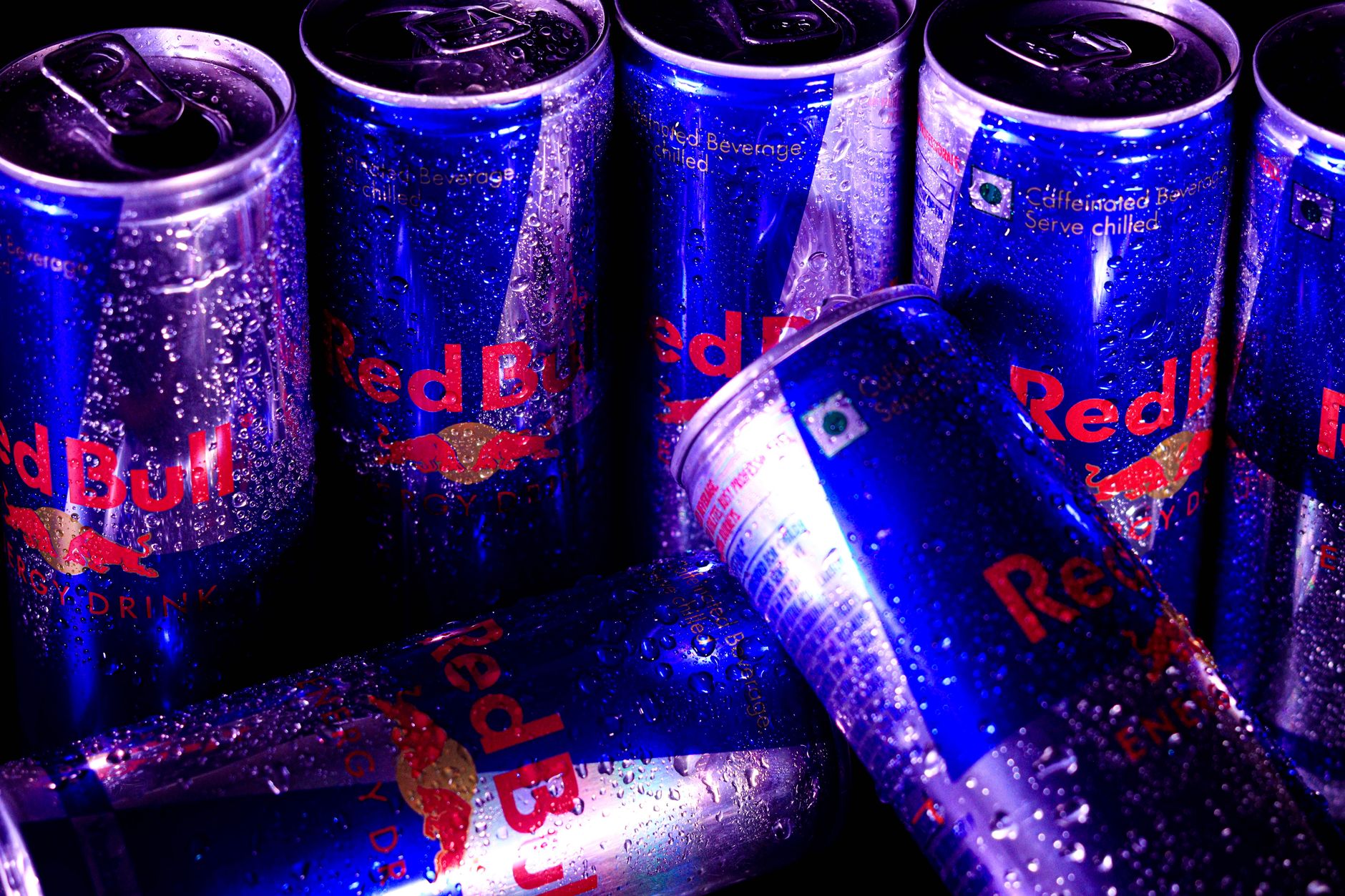
Let’s be honest—we’ve all been there. It’s 2:00 PM, the afternoon slump is hitting hard, and your to-do list is still a mile long. You reach for that sleek can of liquid motivation, pop the tab, and within minutes, you feel the familiar tingle of alertness.
But have you ever paused mid-sip to wonder what is actually happening inside your bloodstream, heart, and brain?
While energy drinks are marketed as performance enhancers, the reality is a bit more complicated. From the immediate “jitters” to the long-term strain on your organs, here is a deep dive into the true cost of that caffeine kick.
The “Rapid Response” Team: What Happens in the First Hour
That immediate rush isn’t just one ingredient doing the heavy lifting. It is a cocktail of stimulants working overtime.
- The Caffeine Spike: Most standard cans pack between 80 and 300 mg of caffeine—that’s up to three cups of coffee in a single serving. Your blood pressure and heart rate rise almost immediately as your nervous system goes into overdrive.
- The Sugar Avalanche: Unless you are drinking a sugar-free version, you are likely consuming 25 to 50 grams of sugar per can. This causes a rapid blood sugar spike. (Pro-tip: that “crash” you feel a few hours later? That is your pancreas pumping out insulin to deal with the overload, sending your blood sugar plummeting).
- The Amplifiers: Ingredients like taurine and guarana aren’t just filler; they actually amplify caffeine’s effects, making that jolt feel even stronger than a standard cup of joe.
The Immediate Side Effects (We’ve All Felt Them)
In the hours following consumption, your body is essentially in a state of high alert. Here is what you might notice:
- Cardiovascular stress: A racing heart, skipped beats, or a noticeable spike in blood pressure.
- Nervous tension: That “wired” feeling often translates to anxiety, jitteriness, and the classic “energy drink headache” as the caffeine wears off.
- Digestive distress: Because caffeine is a diuretic, you lose fluids quickly, leading to dehydration. Plus, the high acidity can wreck your stomach lining.
The Dark Side of Regular Consumption
Drinking one occasionally to get through a late-night drive is one thing. But when energy drinks become your daily morning ritual, the risks shift from temporary discomfort to serious, chronic health conditions.
- Heart Health at Risk: Chronic use is strongly linked to long-term hypertension and a higher risk of heart rhythm disorders. Your heart is a muscle, and constant stimulation can wear it down over time.
- Metabolic Mayhem: If you are drinking the sugary versions daily, you are essentially setting yourself up for weight gain, obesity, and a significantly higher risk of developing Type 2 diabetes.
- Organ Strain (Kidneys and Liver): Emerging research is starting to draw concerning links between heavy energy drink consumption and both kidney injury and hepatorenal toxicity (that means liver and kidney damage).
- Mental Health and Dependence: Regular consumption leads to caffeine dependence. Worse, for those prone to anxiety, it can exacerbate symptoms and even contribute to depressive episodes.
- The “Mouth” Problem: Let’s not forget the dental impact. The combination of high sugar and a low pH level creates a perfect storm for enamel erosion and cavities.
Who Should Absolutely Steer Clear?
This isn’t fear-mongering; it’s public health advice. These drinks are not for everyone.
- Kids and Teens: Please, skip the can. The American Academy of Pediatrics explicitly recommends that adolescents avoid energy drinks entirely. Their developing bodies and smaller frames are much more susceptible to the toxic effects of high caffeine.
- Expecting Mothers: Pregnant individuals face higher risks of pregnancy-induced hypertension if consuming these drinks.
- Those with Pre-existing Conditions: If you have a heart condition, high blood pressure, anxiety, or diabetes, these drinks are a hard “no.”
Wait, How Much is Actually “Safe”?
For a healthy adult, the FDA suggests that up to 400 mg of caffeine per day is generally safe. The catch? A single 16oz energy drink can contain nearly 300mg. If you have that plus a morning coffee or an afternoon tea, you are overshooting your daily limit in a matter of hours.
The Bottom Line
Energy drinks are a quick fix, not a lifestyle solution. While they will wake you up, they do so by placing significant stress on your cardiovascular and nervous systems. The temporary boost is rarely worth the long-term strain.
If you are feeling drained, take a moment to check the basics: Are you hydrated? Did you get enough sleep? Could you eat a protein-rich snack? These natural energizers won’t give you the instant “pop” of a can of Monster, but they won’t leave you crashing—or straining your heart—later on.
Stay healthy, stay hydrated, and think twice before you crack that next can. Your body will thank you.
Leave a Reply