Here’s what you need to know about the Russia-Ukraine war at the start of this year…
Ukraine launches new Kursk offensive
The biggest story of the year so far came yesterday, when Moscow’s defence ministry said Ukraine had launched a new offensive in Russia’s Kursk region.
In a statement, Moscow said efforts to destroy the Ukrainian attack groups were ongoing. Officials in Ukraine have also suggested an operation is under way.
“In order to stop the offensive by the Russian troops in the Kursk direction, the enemy launched a counterattack by an assault detachment consisting of two tanks, one counter-obstacle vehicle, and 12 armoured fighting vehicles,” the Russian MoD said.
Well-connected Russian military bloggers gave a few more details, saying the attack was launched from Sudzha towards the villages of Berdin and Bolshoye Soldatskoye, a district centre on the way to Kursk City.
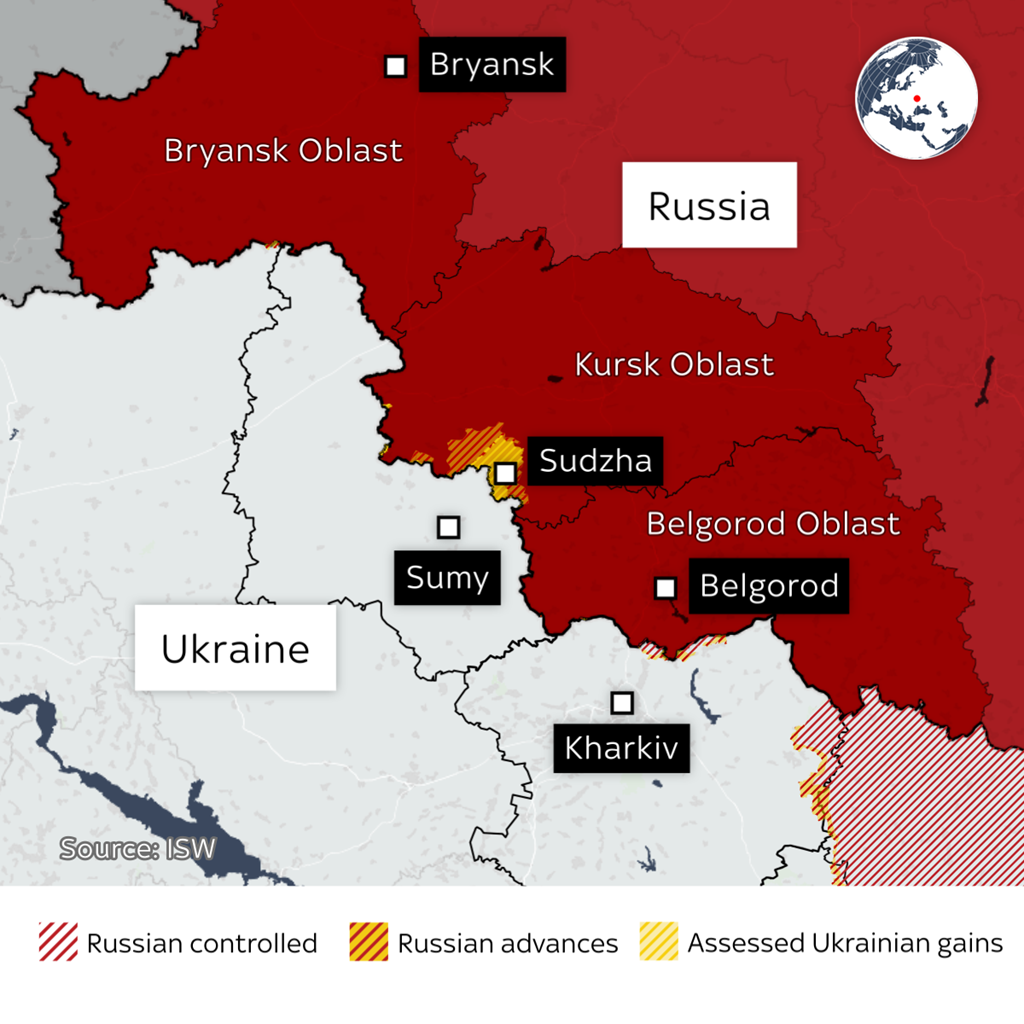
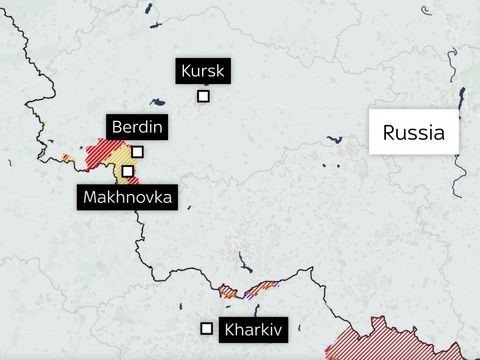
Ukraine launched its invasion of Kursk in August last year, and has held on to a chunk of Russian territory since, potentially hoping to use it as leverage if the two sides come to the negotiating table, but more on that below.
Russian and North Korean troops have been attempting to push them back, to varying degrees of success but suffering reported high casualties.
Incoming Trump could change face of the war
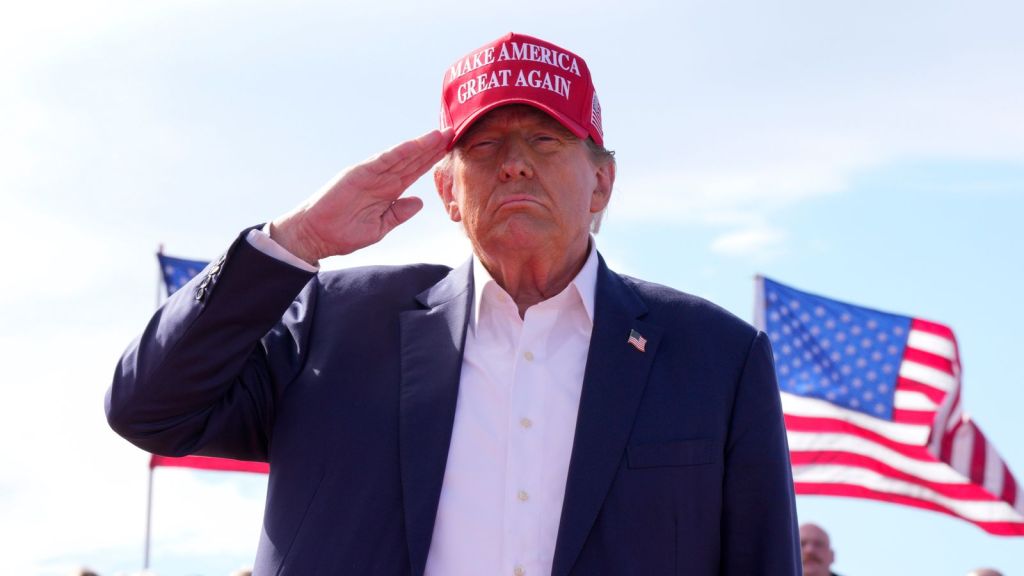
More broadly, former and future US president Donald Trump is set to be inaugurated on 20 January – a potential turning point in the war between Russia and Ukraine.
Trump has previously promised to “end the war in 24 hours” when returning to the White House, but experts feared that could mean a bad deal for Ukraine.
Trump has often spoken of his good relationship with Vladimir Putin, and during his election campaign pledged to put America first and to stop pouring taxpayer money into foreign conflicts.
However, since he won November’s election, his often harsh rhetoric has softened, and he recently said he would appoint retired general Keith Kellogg as his special envoy to Ukraine.

That has eased some fears among analysts, especially when details of Kellogg’s plan for peace were shared.
Under his proposed strategy, the White House would tell Kyiv that it would only get more American weapons if it enters peace talks.
At the same time, Washington would warn Moscow that any refusal to negotiate would result in increased US support for Ukraine.
However, there are many key players in Trump’s Republican Party, including incoming vice president JD Vance, that have signalled they would strongly oppose any further foreign aid for Ukraine.
NATO braced for Trump’s return
Under a new secretary-general, the European members of NATO have been “Trump-proofing” the alliance.
In his last term, Trump was highly critical of Europe’s lack of spending towards defence, suggesting that he could pull the US out if other big players did not “pull their weight”.
Most nations, including Poland, the UK, France, Netherlands and Germany, have increased their defence budgets and found new supply lines so that new weapons can be produced and given to Kyiv.
France and the UK in particular have been taking a leading role in providing Kyiv with long-range missiles that it can use deep inside Russian territory.
The Netherlands, Denmark and others have been all been spending heavily to ensure that Ukraine has other battlefield equipment it needs, from bullets to bombs to fighter jets.
Sources have told several news outlets that the alliance wants to be in a position to support Ukraine even if US support is largely, or even completely, pulled.
What could peace look like?
Speculation is rife regarding what peace could actually look like and when it may come.
Volodymyr Zelenskyy told Sky’s Stuart Ramsay at the end of last year that he would be willing to let Russia keep occupied regions for the time being, in order to stop the fighting and allow Ukraine to join NATO.
Others suggest a pause in fighting could include the deployment of neutral or NATO troops to Ukraine establish a demilitarised zone, although detail on that remains sketchy.
The Ukrainian-occupied Kursk region of Russia could prove an invaluable bargaining chip at any negotiating table should Kyiv manage to hold off the joint North Korean and Russian effort to retake it.
Generally, though, there seems to be a consensus that with Trump’s incoming administration, as well as fighting fatigue and spent resources in Ukraine and Russia, we could be on the path to some form of ceasefire or even peace.
Battle for Pokrovsk continues
In Ukraine itself, the battle for the key town of Pokrovsk continues to rage, with tank clashes reported eight miles from the outskirts.
The town, which has been under aerial bombardment and is slowly being advanced on from several sides by Moscow’s troops, is home to a major logistics hub used by Ukrainian forces, which services the eastern region of Donbas.
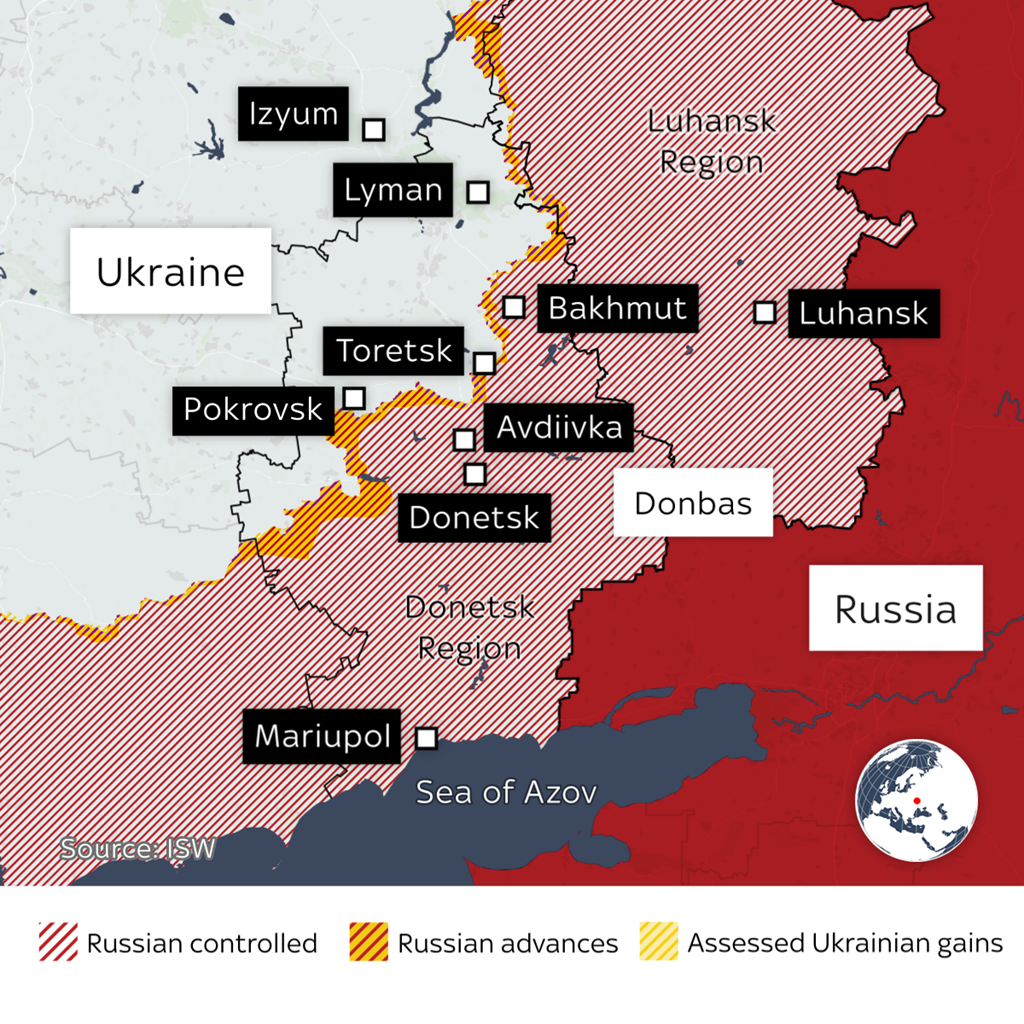
Russian forces have for months sought to capture the town, but their advance appears to have picked up speed in recent weeks.
Analysts and military experts say the town is a key part of Ukraine’s defence and losing it could cause the entire frontline to crumble.
Capturing Pokrovsk would allow Moscow to disrupt Ukrainian supply lines along the eastern front and boost its campaign to capture the city of Chasiv Yar, which sits on higher ground – offering potential control of a wider area.
Russian gas supply to Europe via Ukraine halted
Russian gas supplies to European Union states via Ukraine have been halted, shutting down Moscow’s oldest gas route to the continent.
The five-year gas transit deal between Russia and Ukraine ended in the early hours of 1 January. The move was expected after Kyiv repeatedly said it would not extend the agreement amid the ongoing war.
“We stopped the transit of Russian gas,” Ukraine’s energy minister German Galushchenko said.
“This is a historic event. Russia is losing its markets, it will suffer financial losses. Europe has already made the decision to abandon Russian gas.”
Russian gas giant Gazprom is expected to lose close to $5bn (£3.9bn) in gas sales due to the stoppage.
North Koreans suffering heavy losses, Zelenskyy says
Returning to the battlefield in Kursk, where Ukraine’s president claimed that Russian and North Korean forces were suffering heavy losses.
He said up to a battalion of North Korean soldiers were killed in Makhnovka village.
There’s been no evidence shared to back up his claims.
Some 11,000 North Korean troops have been sent to help Russia fight its war in Ukraine, according to Western assessments.
Russia and Ukraine swap at least 300 prisoners of war
Russia and Ukraine conducted a much-anticipated prisoner swap just ahead of the new year.
Moscow’s defence ministry said each side freed 150 prisoners of war in a swap on Monday, although Ukraine’s President Volodymyr Zelenskyy said 189 of Kyiv’s soldiers had been brought home.
Both sides said the United Arab Emirates had acted as a mediator.
Leave a Reply