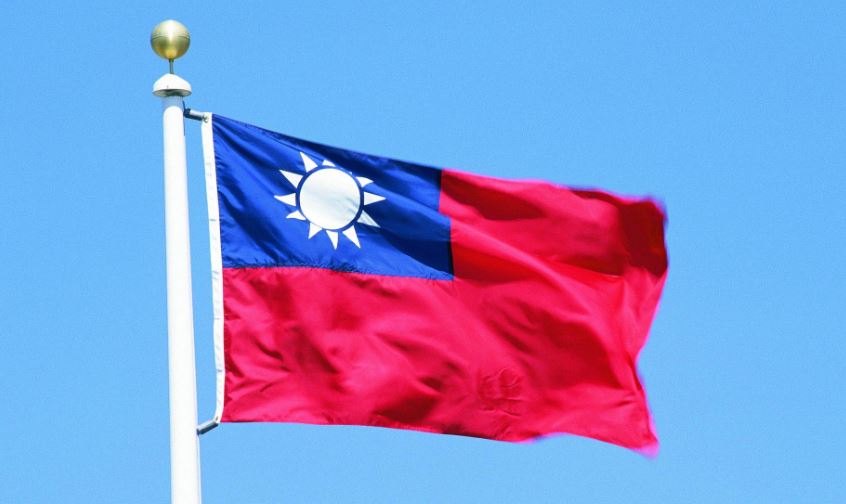
Taiwan has expressed confidence that it will continue receiving military support from the United States despite the Democratic Party’s victory in the country’s midterm elections, with officials in Taipei pointing to longstanding bipartisan support for strengthening the island’s defence capabilities.
Taiwanese Defence Minister Wellington Koo said on Thursday, November 5, that cooperation between Washington and Taipei was unlikely to be significantly affected by changes in the political balance of power in the US Congress.
Speaking to journalists at Taiwan’s parliament in Taipei, Koo maintained that both major American political parties had consistently supported Taiwan’s efforts to improve its military preparedness. He said the Taiwanese government would continue engaging with American lawmakers and maintaining close communication with the US Department of War to ensure that previously agreed arms sales moved forward.
“I think the US Congress has always been non-partisan and will support Taiwan in strengthening its defence capabilities,” Koo said.
He added: “We will also continue to communicate with members of Congress, and of course we will maintain close contact with the US Department of War to ensure that these related arms sales proceed on schedule.”
The comments followed the November 3 US midterm elections, in which Democrats secured majorities in both the House of Representatives and the Senate. The outcome is expected to reshape the political environment for President Donald Trump during the remainder of his administration.
Taipei is particularly interested in whether the election results could influence Washington’s position on a proposed US$14 billion military assistance package that has remained stalled.
Taiwan’s Strategic Relationship With Washington
The United States remains Taiwan’s most important international supporter and principal supplier of military equipment, despite the absence of formal diplomatic relations between the two sides.
Washington maintains unofficial relations with Taipei while recognising Beijing diplomatically. However, American legislation requires the United States to provide Taiwan with the defensive equipment and services necessary to maintain its self-defence capabilities.
China considers Taiwan part of its territory and has repeatedly opposed American arms transfers to the island. Beijing has also warned Washington against taking actions that could encourage Taiwanese independence or undermine China’s territorial claims.
Taiwan’s government rejects Beijing’s sovereignty claims, maintaining that the island’s future should be determined by its people.
Military cooperation with the United States has therefore remained a central component of Taiwan’s security strategy, particularly as tensions across the Taiwan Strait continue to influence regional stability.
Last December, Trump approved an arms package worth approximately US$11 billion for Taiwan, representing the largest military sale of its kind to the island.
However, another proposed package valued at approximately US$14 billion has encountered delays, raising concerns in Taipei about the timing and reliability of future American military deliveries.
The second package became particularly sensitive following Trump’s meeting with Chinese President Xi Jinping in May. After the discussions, the American president described the proposed arms sale as a useful “bargaining chip” and indicated that he was keeping it in “abeyance”.
The remarks generated uncertainty over whether Washington would proceed with the transaction or use the issue as part of its broader negotiations with Beijing.
Democrats’ Congressional Victory Raises Questions Over Arms Deal
The Democrats’ victory in both chambers of Congress has attracted attention in Taiwan because of the potential implications for American foreign policy and defence commitments.
Although the election changes the balance of political power in Washington, Taiwanese officials believe that support for the island’s security remains an issue that enjoys backing across party lines.
Koo’s comments reflected Taipei’s expectation that American lawmakers would continue supporting military cooperation regardless of which party controls Congress.
The Taiwanese government also intends to maintain direct engagement with members of both parties to protect its security interests and ensure that pending procurement arrangements are not abandoned.
The Pentagon had not immediately responded to a request for comment outside regular office hours in Washington.
Meanwhile, political analysts believe that the broader American approach towards Taiwan and the Indo-Pacific region is unlikely to experience a major shift simply because of the election outcome.
Chen Fang-yu, an associate professor at Taipei’s Soochow University, said there was considerable agreement between Democrats and Republicans regarding Taiwan.
He also suggested that senior officials in the Trump administration would continue playing important roles in shaping American policy towards the Indo-Pacific, Asia and other international security priorities.
“Secretary of State Rubio and his team remain central figures, and their overall strategy towards the Indo-Pacific, Asia, and the wider global situation is unlikely to change substantially,” he said.
American Lawmakers Push for Release of Delayed Military Assistance
The proposed US$14 billion arms package is not the only military assistance arrangement facing delays.
In September, four Republican lawmakers urged the Trump administration to release more than US$15 billion in stalled national security assistance intended for Taiwan.
Their intervention came ahead of Xi Jinping’s planned visit to the American capital and reflected concerns among some members of Trump’s own party about the consequences of delaying military support for Taipei.
The lawmakers’ position demonstrated that support for Taiwan’s defence capabilities extends beyond the traditional divisions between Democrats and Republicans.
For Taiwan, the release of the outstanding military assistance is considered important to strengthening its deterrence capabilities and preparing for potential security challenges.
The uncertainty surrounding the proposed package has also raised questions about whether the Trump administration’s diplomatic engagement with Beijing could influence the pace of American arms deliveries.
Trump is expected to meet Xi at least twice more before the end of 2026, including during the APEC summit in China in November and the G20 summit in Florida in December.
These diplomatic engagements could provide further opportunities for discussions involving trade, regional security and the broader relationship between the world’s two largest economies.
Taiwanese officials have acknowledged that the proposed military package could be delayed until 2027, depending on developments in Washington and the outcome of diplomatic negotiations.
Delayed Arms Sales Could Be Divided Into Smaller Packages
Ronan Fu, an assistant research fellow at Academia Sinica, Taiwan’s leading government-backed research institution, suggested that the delayed arms sales could eventually proceed through several smaller transactions rather than one comprehensive package.
According to Fu, if Washington resumes the sales, potentially next year, the military equipment and assistance could be divided into separate procurement arrangements.
However, he does not necessarily expect the overall financial value of the proposed assistance to decline.
“But if you were to add up the whole thing, I think the total amount will be roughly the same,” he said.
Such an arrangement could allow the American government to manage the politically sensitive arms transactions in stages while maintaining its broader military commitments to Taiwan.
For Taipei, the timing and structure of the deliveries remain important considerations, particularly as it continues efforts to modernise its armed forces and strengthen its ability to defend the island.
The Taiwanese government is therefore expected to continue diplomatic engagement with Washington, regardless of the political changes resulting from the American midterm elections.
Although the Democratic Party’s control of Congress introduces a new political dynamic, Taiwan remains hopeful that longstanding bipartisan support for its security will prevent major disruptions to military cooperation with the United States.
Leave a Reply