Fruits are universally praised as the cornerstone of a healthy diet. Yet not every fruit is safe in every situation. Some contain natural toxins, others become dangerous under certain conditions, and a few can interact fatally with medications. Understanding these “sweet traps” helps us enjoy fruit more safely.
Moldy Fruit: Is It Safe to Cut Off the Bad Part?
Many people have the habit of trimming off a rotten spot and eating the rest. This seemingly thrifty practice hides a serious risk.
The visible mold is only the tip of the iceberg. When fuzzy patches or discolored spots appear on the fruit’s surface, fungal threads (hyphae) have already penetrated deep into the flesh—much like plant roots—and these threads are typically colorless and invisible to the naked eye. Even more dangerous are mycotoxins, which are usually water‑soluble and diffuse through the fruit’s moisture into seemingly healthy areas far from the visible mold.
Take apples, for example. Even after cutting away an obvious moldy area, high concentrations of patulin—a mycotoxin with nephrotoxic, intestinal, and potentially carcinogenic effects—can still be detected in apparently sound flesh several centimeters from the lesion. Berries like strawberries and grapes have soft tissues that are easily invaded by fungi; consuming them may cause nausea, diarrhea, and, via their mold spores, respiratory allergies.
More alarmingly, many mycotoxins are chemically stable and cannot be effectively destroyed by ordinary home cooking (e.g., boiling). Common hazardous mycotoxins include aflatoxins (highly toxic and strongly carcinogenic), ochratoxin A (nephrotoxic and potentially carcinogenic), and patulin (neurotoxic).
The conclusion is clear: once a fruit shows any sign of mold, the safest choice is to discard the entire fruit. Do not take chances.
Fruits with Natural Toxins
Some fruits are inherently toxic if consumed improperly.
Ackee – Jamaica’s national fruit – contains a heat‑stable toxin called hypoglycin A in its unripe arils. Eating unripe ackee can trigger “Jamaican vomiting sickness,” ranging from mild vomiting to severe hypoglycemia, lethargy, muscle weakness, coma, and even death. The U.S. FDA mandates that ackee products must contain less than 100 ppm of hypoglycin A to be deemed safe. Only fully ripe ackee, with seeds and rind removed, is safe to eat.
Lychees (litchis) are delicious, but eating large amounts on an empty stomach can cause acute hypoglycemic encephalopathy. The fruit contains hypoglycin A and methylenecyclopropylglycine, which inhibit glucose synthesis, leading to dizziness, seizures, and other symptoms. It is recommended to consume no more than 10 lychees (about 100 g) per day, with half that amount for children, and never on an empty stomach.
Elderberries are often used in supplements, but eating raw elderberries, bark, leaves, or roots contains toxic compounds that can cause nausea, vomiting, and diarrhea. The berries must be thoroughly cooked to remove the toxins and become safe to eat.
Rhubarb stalks are edible, but the leaves contain high concentrations of oxalic acid. Ingestion can cause nausea, vomiting, diarrhea, breathing difficulties, kidney stones, and even kidney failure. Rhubarb leaves should never be eaten, raw or cooked.
Pits and Seeds: Tiny Cyanide Bombs
Many fruits in the rose family (Rosaceae) have pits or seeds containing amygdalin, a cyanogenic glycoside that releases cyanide when metabolised.
This group includes cherries, peaches, apricots, plums, apples, and pears. Swallowing whole pits usually does not lead to poisoning because the hard shell protects the seed, but chewing or crushing the seeds releases cyanide. Apricot kernels are particularly high in amygdalin, releasing about 2.9 mg of hydrogen cyanide per gram.
The good news is that accidentally swallowing one or two whole pits is generally harmless. However, chewing and swallowing multiple seeds can be dangerous, especially for children. Symptoms of cyanide poisoning include headache, dizziness, difficulty breathing, confusion, and in severe cases, coma and death.
Dangerous Encounters Between Fruit and Medications
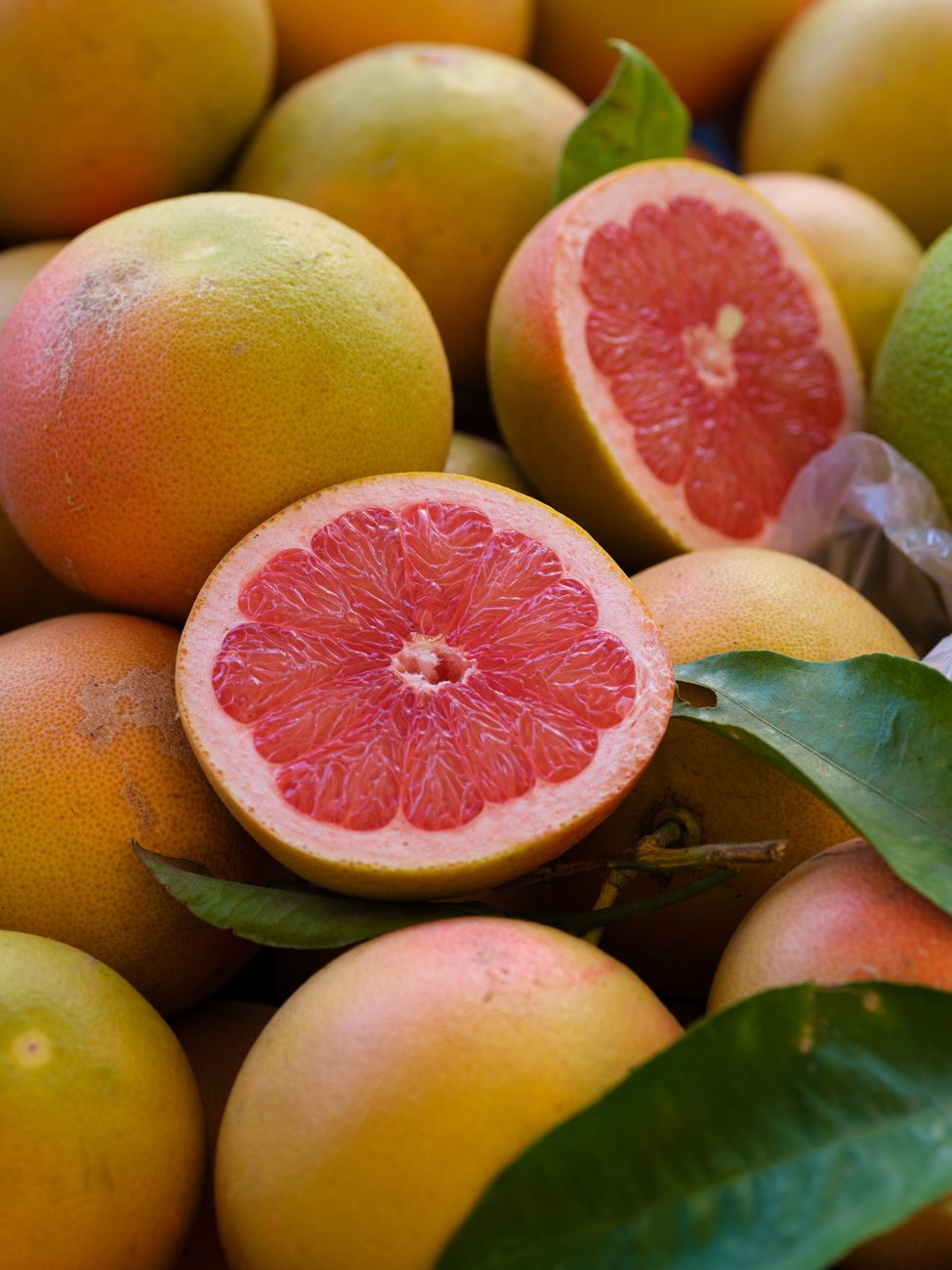
Grapefruit (pomelo) is the most notorious fruit for drug interactions. Compounds in grapefruit interfere with the enzymes that break down medications in the digestive system, causing drug levels to build up to dangerous concentrations (if metabolism is slowed) or to drop too low (if absorption is altered).
Affected medications include statins (cholesterol‑lowering drugs), blood pressure medications, anti‑infectives, cardiac drugs, anti‑anxiety agents, antihistamines, immunosuppressants, and many more. Pomelos, limes, and Seville oranges can have similar effects. If you are taking prescription medications, always consult your doctor or pharmacist about whether grapefruit and related citrus fruits are safe for you.
Fruits That Require Special Caution for Certain Groups
Star fruit (carambola) is a low‑calorie, vitamin‑C‑rich snack for most people. However, for patients with kidney disease, star fruit contains high levels of oxalates that can trigger severe adverse reactions, including confusion, seizures, and even death. Kidney patients should completely avoid star fruit and its juice.
Persimmons are rich in tannins and fibre. Eating too many, especially unripe ones, can lead to the formation of hard, indigestible phytobezoars (fruit stones) in the stomach, which may cause gastric outlet obstruction or intestinal blockage. People with a history of gastric surgery, diabetes, or advanced age are at higher risk. One study found that persimmon consumption increased the risk of gastric bezoars by 9.8‑fold, and eating unpeeled persimmons raised the risk by 56‑fold.
Cashew apples – the false fruit of the cashew tree – are edible, but fresh cashew apples that are not properly processed may cause skin allergic reactions, including itching, papules, and blisters. There are case reports of a kidney transplant patient developing acute kidney injury after excessive consumption of cashew apples, requiring haemodialysis.
Final Thoughts
Fruits are gifts of nature, but they deserve a little knowledge before we enjoy them. Keep these key principles in mind:
- Throw away moldy fruit entirely—do not cut off the bad part.
- Know the proper way to eat each fruit—never eat unripe ackee, don’t binge on lychees on an empty stomach, and always cook elderberries.
- Avoid chewing pits and seeds, and teach children to do the same.
- Ask your doctor or pharmacist about grapefruit and related citrus if you are on any medication.
- Kidney patients must avoid star fruit; persimmons should also be eaten in moderation.
Healthy eating starts with informed choices. Savour the sweetness of fruits, but stay clear of the hidden dangers that lurk beneath the surface.
Leave a Reply