The same cannot be said for Pretoria’s position on the Middle East and especially its increasingly overt hostility to Israel, seen against Trump’s unequivocal attitude towards Hamas, effectively giving them an ultimatum via social media to release all the remaining hostages before his inauguration.
Even though these conflicts are not contiguous to Africa, the US’ impact on stopping them will be felt on the continent, especially in the case of Russia which is now the greatest arms supplier to African rulers who have dispensed with democratic processes.
Don’t underestimate Donald Trump
I believe the Trump administration’s attitude towards Africa will ultimately be a blend of pragmatism and business sense with a leavening of altruism.
Wars cost money and lead to instability that reverberates ever outwards, across seas and ultimately to the Land of the Free as the Statue of Liberty is forced to welcome another wave of unwanted refugees.
It makes business sense to keep people in the countries where they are rather than fleeing to the US.
And the best business is the business of business itself, trade, is unsustainable in times of conflict — it is one of the reasons why President Trump’s victory was welcomed on both sides of the Middle East conflict, if not among the commentariat themselves, for the people on the ground remember a time only four years ago when peace looked like becoming a generational reality, unlike now.
People the world over, and Americans in particular, continue to make the mistake of underestimating Donald Trump. He’s a tough negotiator, but he’s a businessman. If Africa can find the confidence to take sentiment out of the equation and make a business pitch that makes sense, this could well be a very profitable and peaceful four years indeed.
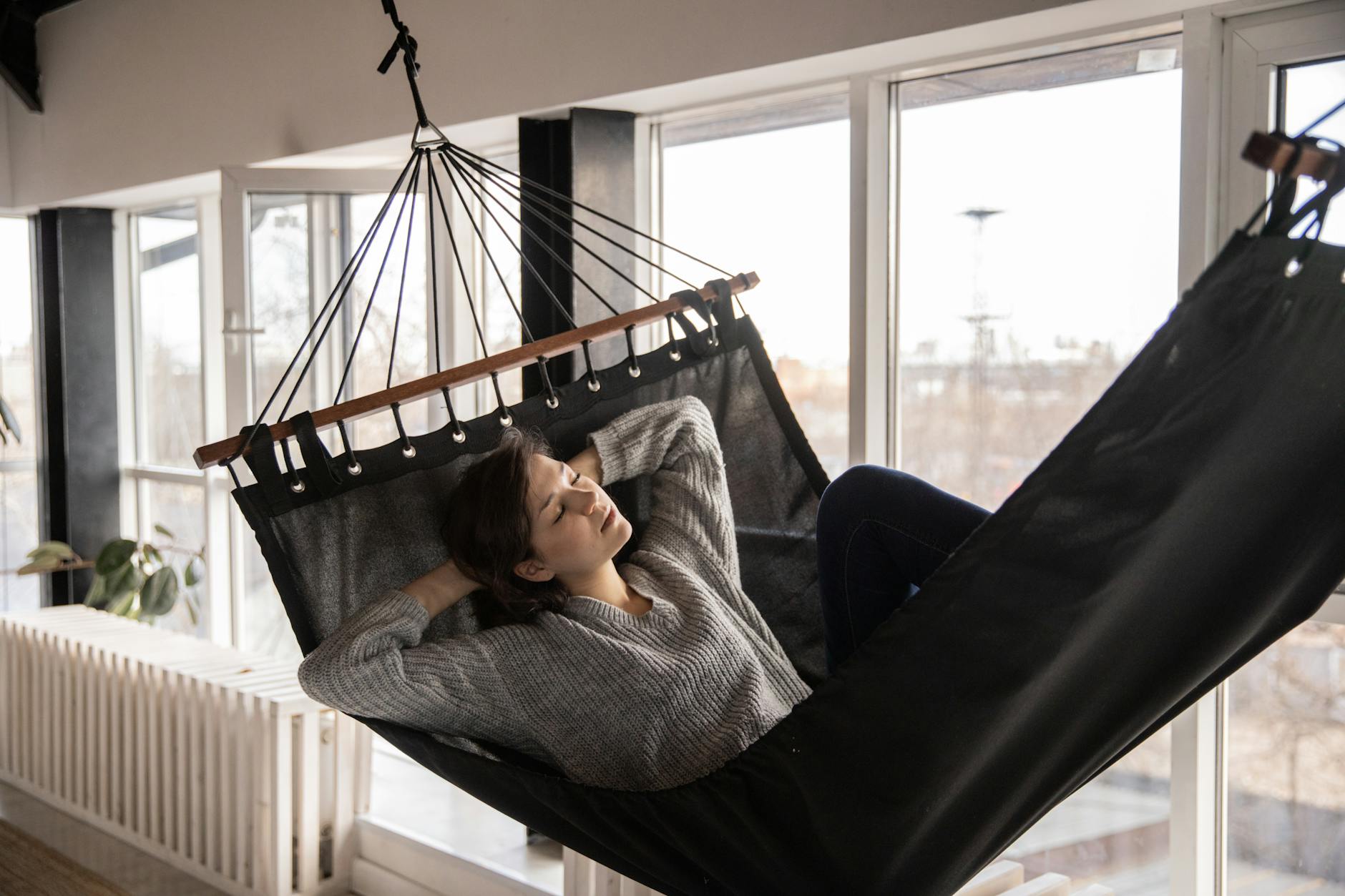
Here are some tips about napping during the day and potentially reaping its benefits.
Keep naps short
Sleep is as important to good health as diet and exercise, but too many people don’t get enough of it, according to James Rowley, programme director of the Sleep Medicine Fellowship at Rush University Medical Center.
“A lot of it has to do with electronics. It used to be TVs, but now cell phones are probably the biggest culprit. People just take them to bed with them and watch,” Rowley said.
For instance, a 2021 study found that young adults who used their phones before sleeping were more likely to report trouble sleeping.
The key to effective napping is to keep the snooze sessions short, Rowley said, adding that short naps can be restorative and are more likely to leave you more alert.
“Most people don’t realise naps should be in the 15- to 20-minute range,” Rowley said.
“Anything longer, and you can have problems with sleep inertia, difficulty waking up, and you’re groggy”.
Individuals who find themselves consistently relying on naps to make up for inadequate sleep should probably also examine their bedtime habits, he said.
When to take a nap
Mid-afternoon is the ideal time for a nap because it coincides with a natural circadian dip, while napping after 6 pm may interfere with nocturnal sleep for those who work during daylight hours, said Michael Chee, director of the Centre for Sleep and Cognition at the National University of Singapore.
When people nap for too long, it may not be a sustainable practice, and also, really long naps that cross the two-hour mark affect nighttime sleep.
Ruth Leong
Research Fellow, National University of Singapore
“Any duration of nap, you will feel recharged. It’s a relief valve. There are clear cognitive benefits,” Chee said.
A review of napping studies suggests that 30 minutes is the optimal nap length in terms of practicality and benefits, said Ruth Leong, a research fellow at the Singapore centre.
“When people nap for too long, it may not be a sustainable practice, and also, really long naps that cross the two-hour mark affect nighttime sleep,” Leong said.
Experts recommend setting an alarm for 20 to 30 minutes, which gives nappers a few minutes to fall asleep. But some say even a short nap can be restorative.
Creating space for sleep
Naps are accepted and even a necessity in some occupations.
The Centers for Disease Control and Prevention (CDC) encourages naps for nurses who work night shifts. But many nurses can’t sleep at the hospitals where they work because they’re too busy and aren’t given access to beds.
Nurses “regularly struggle to have sufficient time to use the bathroom or go outside for fresh air, no less take a nap,” said a spokesperson for the National Nurses United union.
Some companies are trying to fill the void. Inspired by his mother who worked as a nurse, Neil Wong founded Nap York, which offers sleeping pods in Manhattan and Queens that can be rented for about $27 (€26) an hour.
His regular customers include super-commuters, UPS drivers, a security guard who works two full-time jobs, and doctors who work at nearby hospitals.
Nap York also gives half-off prices to essential workers such as police officers, firefighters and emergency medical service personnel.
“In this society, you really only have two places to sleep: you have your bed at home and you have a hotel room you can probably get for 100 bucks,” Wong said.
“There’s really no third space that’s quiet, that provides some privacy, where you can also rest”.
Leave a Reply