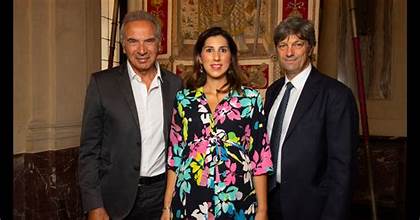
In a historic move for Italian fashion, the Camera Nazionale della Moda Italiana (CNMI), the owner of Milan Fashion Week, announced today that it will no longer promote fur at any official Fashion Week-related event or on social media.
The announcement means Milan is following in the footsteps of New York Fashion Week and London Fashion Week, as well as fashion weeks in Copenhagen, Berlin, Stockholm, Amsterdam, Helsinki, and Melbourne.
The new “Guidelines on the Use of Fur During Milan Fashion Week” call on brands to go fur-free, positioning one of the world’s most prestigious fashion capitals firmly on the side of ethical and sustainable materials.
Emma Håkansson, founding director of Collective Fashion Justice, called the decision historic for the Italian fashion industry’s shift beyond unethical and unsustainable fur. The guidelines do not prevent brands or designers from using fur in their collections outside of Milan Fashion Week, but the organization hopes that by promoting a fur-free week, it will encourage labels to innovate with more ethical and sustainable alternatives. This approach reflects a growing recognition within the fashion establishment that fur farming carries significant animal welfare concerns and environmental costs that no longer align with contemporary consumer values.
Carlo Capasa, CEO of CNMI, emphasized that the adoption of these guidelines represents a further step in the drive for responsibility and sustainability that Camera Nazionale della Moda Italiana has been carrying forward for over a decade in support of Made in Italy. “This initiative reasserts CNMI’s determination to approach the evolution of the fashion industry with full awareness and a sense of balance in line with the strategies we already have in place,” Capasa stated, positioning the fur ban as part of a broader commitment to ethical production rather than an isolated policy change.
Simone Pavesi, Head of the Animal Free Fashion Unit at LAV, an Italian animal protection organization, added that the guidance is an ethical and responsible choice, consistent with the sustainability commitments made by CNMI members, most of which have already banned animal fur. This suggests that the new guidelines may formalize practices that many brands had already voluntarily adopted, making Milan Fashion Week’s position a reflection of existing industry momentum rather than a radical departure.
The decision places Milan in alignment with a growing global consensus that fur has no place on high-fashion runways. Paris Fashion Week remains the notable holdout among the major fashion capitals, though pressure continues to mount on French organizers to follow suit. The move also reflects changing consumer attitudes, particularly among younger shoppers who increasingly prioritize animal welfare and environmental sustainability in their purchasing decisions.
Industry observers note that the transition away from fur has accelerated in recent years as technological innovations have produced high-quality faux fur and alternative materials that rival their animal-derived counterparts in appearance, texture, and warmth. Brands that once relied on fur for certain collections have successfully pivoted to synthetic and plant-based alternatives without sacrificing aesthetic impact or commercial appeal. The CNMI guidelines may further accelerate this innovation by creating a clear market signal that fur will no longer receive institutional support during the industry’s most visible platform.
The announcement arrives at a moment when fashion sustainability is receiving renewed attention following the Global Fashion Summit in Copenhagen, where industry leaders discussed the growing importance of embedding sustainability into financial decision-making. While sustainability mentions on earnings calls have declined since 2022 as companies focus on immediate pressures such as slowing growth and geopolitical volatility, initiatives like the Milan fur ban demonstrate that grassroots and institutional action continues to move forward outside the boardroom. For animal welfare advocates and sustainable fashion proponents alike, Milan’s decision represents a significant victory and a powerful signal that the fashion industry’s ethical evolution remains very much underway.
Leave a Reply