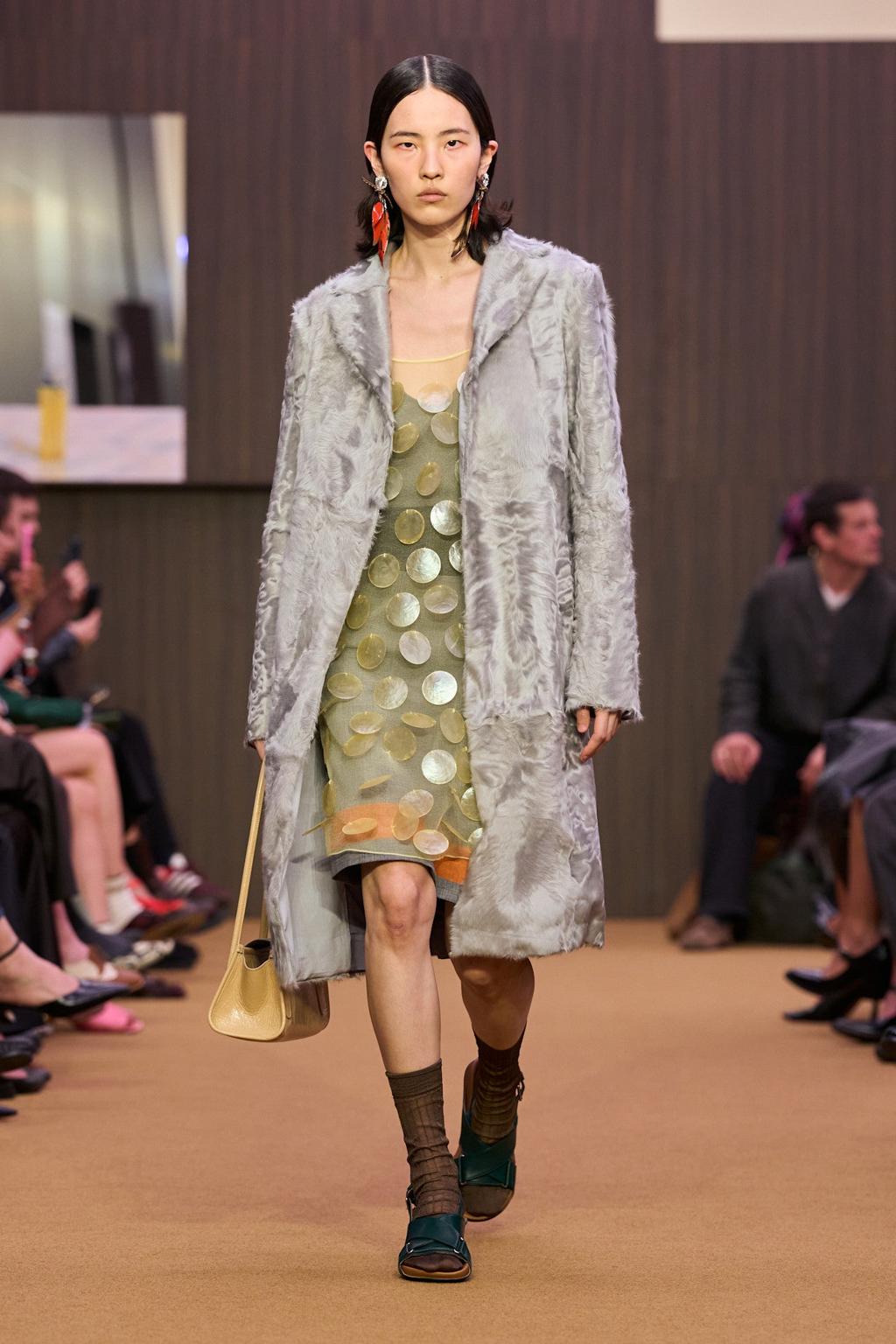
One of the most discussed stories across luxury fashion circles this week is the official repositioning of Marni under newly appointed creative director Meryll Rogge.
The conversation reached a new level following a major interview with Marni CEO Stefano Rosso and Rogge during the Vogue Business Global Summit in France, where both executives outlined their vision for the brand’s future.
The appointment arrives during what many analysts describe as the largest creative reshuffling of luxury fashion leadership in decades. Luxury houses across Europe have spent the past eighteen months changing creative directors, redefining customer strategies, and searching for relevance among younger consumers who increasingly value authenticity, sustainability, and cultural connection alongside craftsmanship.
Marni’s challenge is particularly interesting. The label has long been admired for its artistic identity and experimental approach to color, silhouettes, and texture. However, maintaining commercial momentum while preserving creative distinction has become increasingly difficult in a luxury market facing slower growth, especially in China and parts of Europe.
In the interview, Rosso emphasized that the company selected Rogge because of talent rather than optics. He explained that the goal was not simply to appoint a female designer but to find someone capable of reconnecting the brand with its roots while pushing it into a contemporary context. Rogge’s critically praised debut collection appears to have achieved precisely that balance.
One notable comment from Rogge highlighted her personal connection to the house. She recalled buying Marni shoes with her first fashion-industry paycheck in 2008, describing the brand as one that had always represented individuality and intelligence rather than trend-chasing. That sentiment resonated strongly with fashion editors attending the summit.
The collection itself has been praised for reviving the spirit established by founder Consuelo Castiglioni while avoiding nostalgia. Instead of recreating archival looks, Rogge has interpreted the house codes through a lens of contemporary elegance, emphasizing sophisticated tailoring, unexpected proportions, and a more refined approach to femininity.
Industry observers note that Marni’s strategy reflects a broader trend emerging in luxury fashion during 2026. Brands are increasingly moving away from loud logo-driven aesthetics and returning to what executives often call “meaningful luxury”—products designed to communicate craftsmanship and identity rather than status alone.
Rosso also discussed expansion plans in Asia, identifying Japan and China as priority markets despite ongoing volatility. Rather than relying solely on retail growth, the company plans to invest heavily in immersive brand experiences and community-driven engagement strategies. These approaches mirror broader shifts among luxury groups seeking deeper emotional relationships with customers.
Another major focus involves accessories. The introduction of the Trunkette bag has become central to Marni’s commercial ambitions. Luxury accessories remain among the industry’s most profitable categories, and successful handbag launches frequently determine whether creative momentum translates into financial results.
What makes this story especially significant is how it encapsulates a wider industry debate. Luxury houses are increasingly asking whether customers want spectacle or substance. Marni’s answer appears clear: cultural relevance, emotional connection, and craftsmanship are becoming more important than viral runway moments.
Analysts following the luxury sector suggest the success of Rogge’s first year could influence hiring decisions throughout the industry. If Marni demonstrates that a designer with a strong personal vision can simultaneously strengthen commercial performance, other groups may prioritize authenticity over celebrity-driven appointments.
The timing is equally notable. According to recent luxury-industry forecasts, fashion companies are entering a period characterized by slower growth, greater competition, and rising consumer expectations regarding sustainability and transparency. In that environment, brands with clearly defined identities may have a significant advantage.
For Marni, the coming months will reveal whether critical acclaim can translate into consumer demand. Yet the early signs are encouraging. Editors, buyers, and investors alike appear intrigued by a vision that combines creative rigor with commercial realism.
As Rogge herself suggested during the discussion, the future of Marni may not be about reinventing luxury but about rediscovering why people fell in love with it in the first place.
Leave a Reply