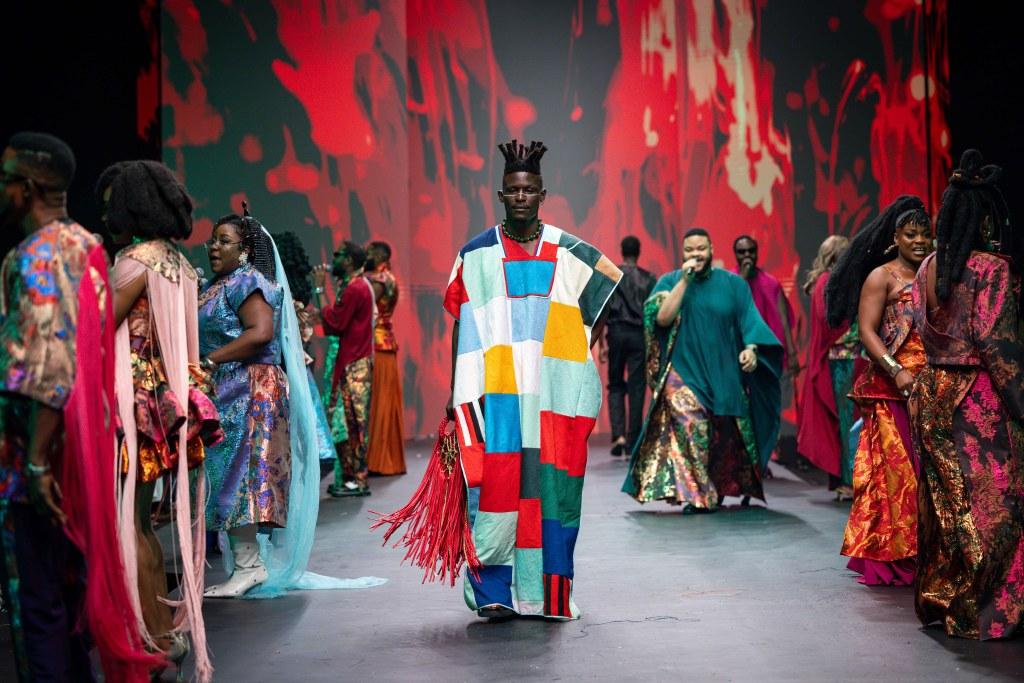
Music played a significant role in shaping the atmosphere and cultural identity of Lagos Fashion Week Spring/Summer 2027 (SS27), with designers using carefully selected soundtracks to communicate the inspiration, heritage and creative direction behind their collections.
From traditional Yoruba rhythms and Nigerian Afrobeat classics to contemporary Afrobeats, South African amapiano, electronic music and underground international sounds, the runway presentations demonstrated how music and fashion can work together to tell compelling cultural stories.
The event brought together different generations of African musical influences, allowing designers to connect traditional identities with contemporary fashion expressions. Some collections revisited the continent’s musical heritage, while others explored sounds from the Sahara, Southern Africa and international club culture.
The musical selections were more than background entertainment. They helped audiences understand the cultural references behind the garments, creating a deeper connection between the designers’ creative intentions and their runway presentations.
At Lagos Fashion Week SS27, the relationship between fashion and music became particularly evident as designers explored how sound could communicate identity, history, femininity and changing cultural attitudes.
Dimeji Ilori Connects Yoruba Heritage With Contemporary Fashion
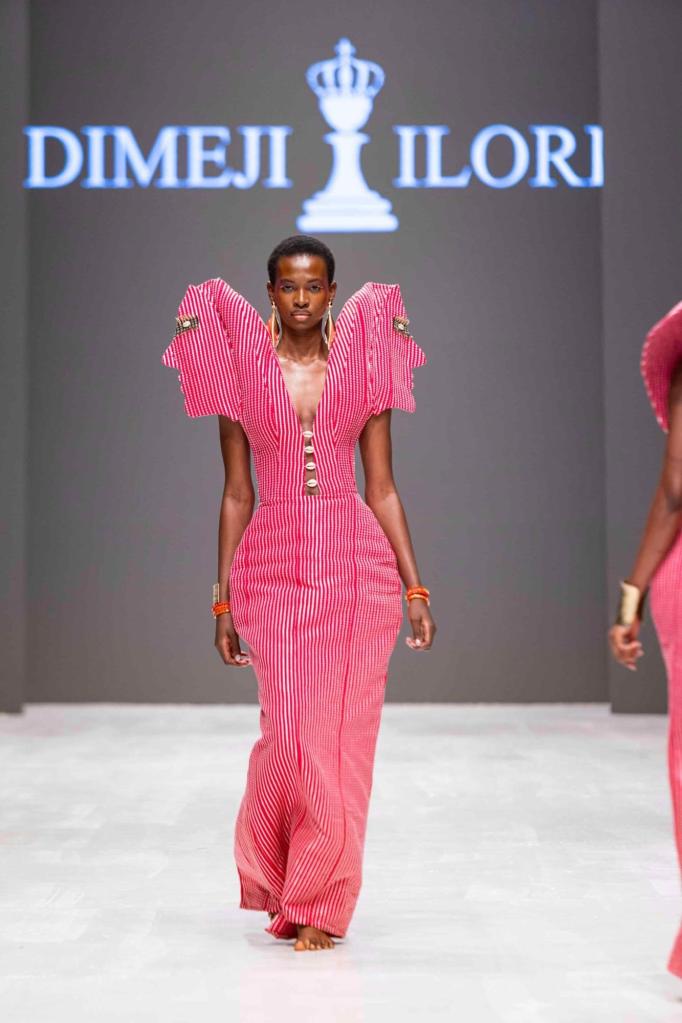
One of the notable examples of music-driven storytelling came from designer Dimeji Ilori, whose collection drew inspiration from Yoruba culture and ancestral traditions.
Models appeared in sculpted aso-oke garments, gele headpieces and cowrie-adorned socks, presenting a modern interpretation of traditional Yoruba aesthetics.
The presentation featured Man Paulo’s “Yoruba War Tongues”, a musical selection whose percussion complemented the collection’s cultural references.
The combination of traditional-inspired clothing and Yoruba musical influences helped reinforce the historical context behind the designs. Rather than presenting heritage as something disconnected from contemporary fashion, Ilori demonstrated how traditional cultural elements could be reinterpreted through modern silhouettes and styling.
Dust of the Earth also explored African heritage through its collection, combining patchwork denim with garments influenced by Igbo traditions. The models walked to Ambiento’s “Rituals”, creating an atmosphere that brought together different visual and musical references.
Pepper Row Combines Fela Kuti With Simi
Pepper Row delivered another interesting musical presentation by combining two different generations of Nigerian music.
The soundtrack moved between Fela Kuti’s classic Afrobeat record “Shakara (Oloje)” and Simi’s contemporary song “Woman”.
The pairing connected Fela’s politically conscious Afrobeat tradition with Simi’s modern musical interpretation of womanhood.
The transition also reflected the changing conversations surrounding African identity, femininity and women’s representation in contemporary culture.
By bringing these contrasting musical periods together, the presentation demonstrated how fashion can draw inspiration from different generations without losing its cultural relevance.
FSS adopted a similar approach, moving from Odunsi (The Engine)’s “Star Signs” to King Sunny Adé’s “Alashe L’aiye”.
The combination of alternative contemporary Nigerian music and traditional juju sounds illustrated how younger creative movements can coexist with established musical traditions.
Lagos Fashion Week Celebrates Music Beyond Nigeria
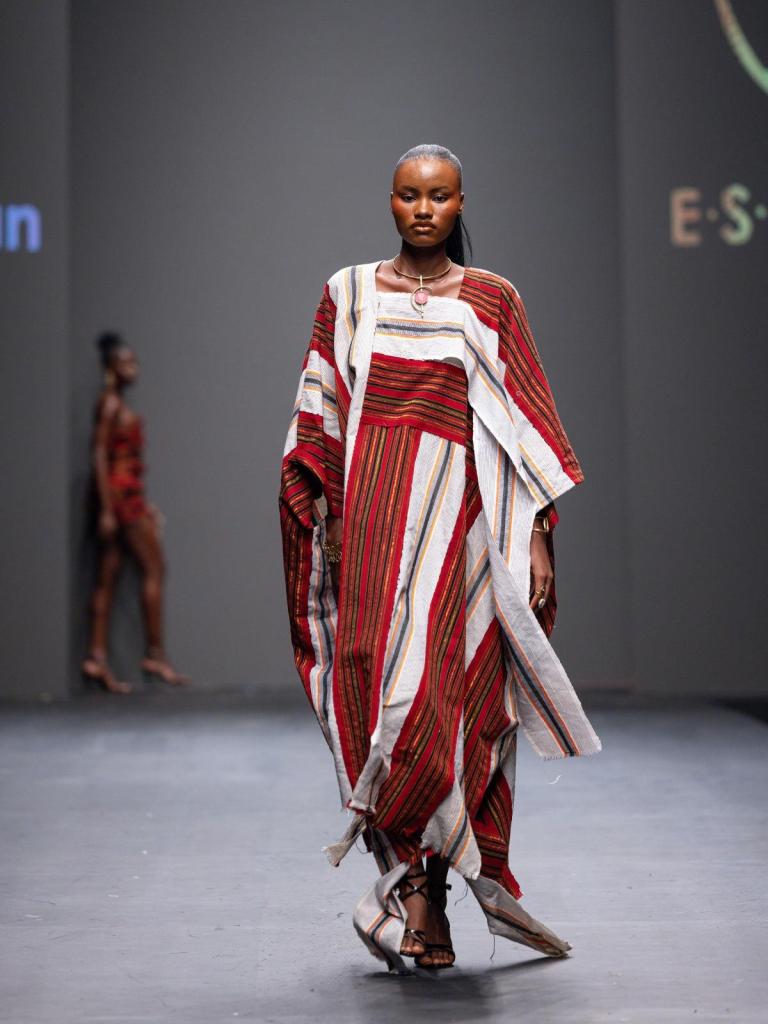
Although Lagos Fashion Week is based in Nigeria, the SS27 presentations demonstrated that contemporary African fashion increasingly draws inspiration from different parts of the continent.
Several designers incorporated music from other African regions, creating a broader cultural conversation that extended beyond Nigeria’s musical traditions.
Pettre Taylor explored an urban nomadic aesthetic through earth-toned tailoring and traditional facial markings. The collection was accompanied by Saharan Tuareg rock, including Tinariwen’s “Sastanàqqàm” and Imarhan’s “Tahabort”.
The electric guitar arrangements and distinctive rhythms introduced a different atmosphere from the Afrobeats and highlife sounds commonly associated with Nigerian fashion presentations.
The selection also highlighted the musical traditions of the Sahel region, demonstrating the diversity of cultural influences shaping African fashion.
Angélique Kidjo’s music also featured in several presentations. Bakusoraya paired its patchwork aso-oke designs with Kidjo’s interpretation of “Malaika”, while Dukun used “Lonlon Ravel’s Bolero” to accompany a colourful, colour-blocked collection.
Kidjo’s international musical career and engagement with different African traditions made her work a fitting choice for designers exploring cultural connections across the continent.
Irapada Circular Design Initiative further expanded this continental exchange through a soundtrack that moved from South African amapiano producer Oscar Mbo’s “Vuka” to Malian duo Amadou & Mariam’s “Dougou Badia”.
The combination connected contemporary Southern African dance music with Mali’s musical heritage, reinforcing the idea that African fashion is influenced by multiple creative traditions rather than a single national identity.
Electronic Music and Club Culture Influence the Runway
Beyond traditional African sounds and contemporary Afrobeats, several designers explored electronic music and international underground club culture.
Hertunba presented a collection combining structured corset designs with flowing bottoms and fringe details. The soundtrack began with compositions by Cristobal Tapia de Veer, known for his work on The White Lotus, before transitioning to Tiwa Savage and Wande Coal’s “Energy”.
The unexpected musical progression created a contrast between cinematic sound and contemporary Nigerian popular music.
Ajanée also embraced an energetic musical direction with a dopamine dressing-inspired collection featuring colourful, movement-focused pieces made from upcycled materials.
The presentation was accompanied by Shygirl’s “Cleo”, bringing an alternative club atmosphere to the runway and complementing the collection’s emphasis on self-expression and movement.
At Studio Imo, models showcased knitted crochet garments while walking to Volac’s electronic track “Russian Style”, before the soundtrack transitioned to Tchami’s “Adieu”.
The presentation demonstrated how African designers can incorporate international underground music influences while maintaining distinctive creative identities.
Bloke adopted a more severe aesthetic through military-inspired designs featuring heavy tactical buckles and delicate fishnet details. William Masson’s “G.I” accompanied the presentation, reinforcing the contrast between protective military references and sensual styling.
These presentations demonstrated that African fashion does not have to rely on familiar regional musical sounds to communicate its creative identity. Electronic music and international club culture can also provide meaningful artistic contexts for contemporary collections.
Leave a Reply