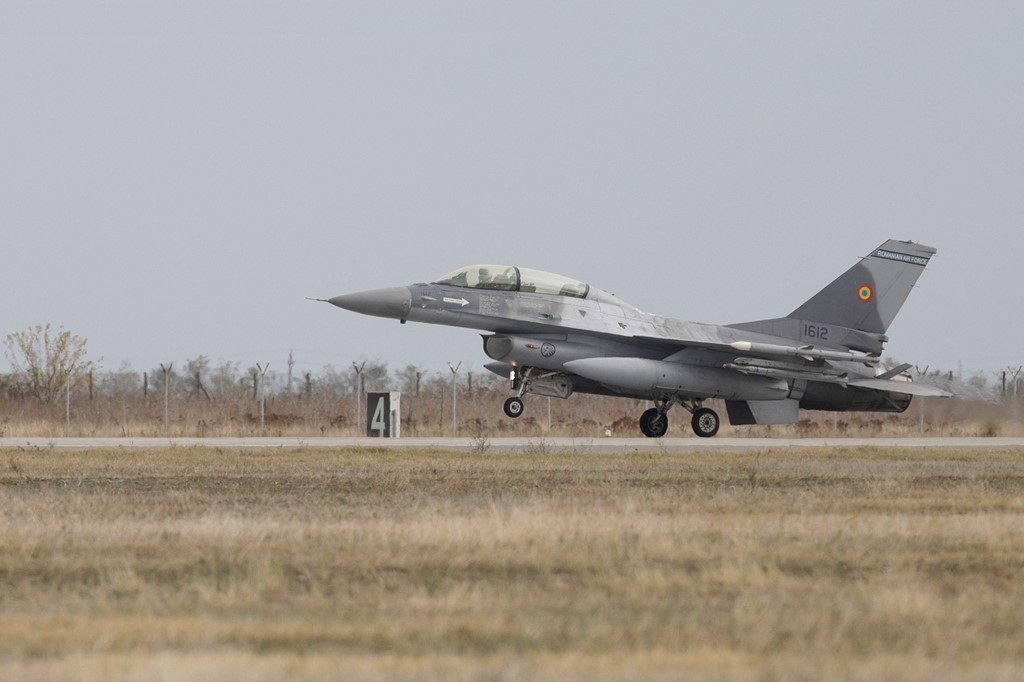
The Iran war has resulted in the loss or damage of 42 U.S. military aircraft, according to a congressional report.
The new Congressional Research Service analysis, released May 13, paints a picture of the mounting costs tied to Operation Epic Fury, the joint U.S.-Israeli military campaign launched against Iran on Feb. 28.
The report, compiled using Pentagon statements, U.S. Central Command disclosures, and media reporting, found that fighter jets, tankers, drones, helicopters, and special operations aircraft have all been damaged or destroyed during the conflict.
Among the losses are four F-15E Strike Eagles, one F-35A Lightning II fighter jet, one A-10 Thunderbolt II attack aircraft, seven KC-135 aerial refueling tankers, one E-3 Sentry AWACS surveillance aircraft, two MC-130J Commando II special operations aircraft, one HH-60W rescue helicopter, 24 MQ-9 Reaper drones, and one MQ-4C Triton drone.
The Pentagon now estimates the total cost of military operations has climbed to roughly $29 billion.
“A lot of that increase comes from having a refined estimate on repair or replacement costs for equipment,” the Pentagon’s acting comptroller, Jules Hurst, testified before Congress this month.
Several of the most damaging incidents occurred during high-risk rescue operations deep inside Iran after an F-15E was shot down in April.
According to the report, two MC-130J aircraft supporting the mission had to be intentionally destroyed on the ground after becoming unable to depart.
An HH-60W rescue helicopter was also damaged by small-arms fire during the operation.
The report additionally highlighted heavy drone losses, with 24 MQ-9 Reapers reportedly destroyed since the war began.
The drones, which cost approximately $30 million each and can carry up to 16 Hellfire missiles, represent a significant financial and operational blow to U.S. forces.
Some losses also exposed vulnerabilities in American air defenses and basing strategy.
An E-3 Sentry surveillance aircraft and five KC-135 tankers were damaged during Iranian missile and drone attacks at Prince Sultan Air Base in Saudi Arabia.
The report noted that the E-3 had reportedly been parked on an “unprotected taxiway.”
Lawmakers are now pressing the Pentagon for greater transparency regarding the war’s long-term costs, aircraft replacement plans, and the impact on military readiness.
The report warned that losses involving aging but critical platforms such as the E-3 Sentry could create capability gaps for the U.S. military and strain America’s industrial base as demand grows for replacement aircraft and munitions.
Leave a Reply