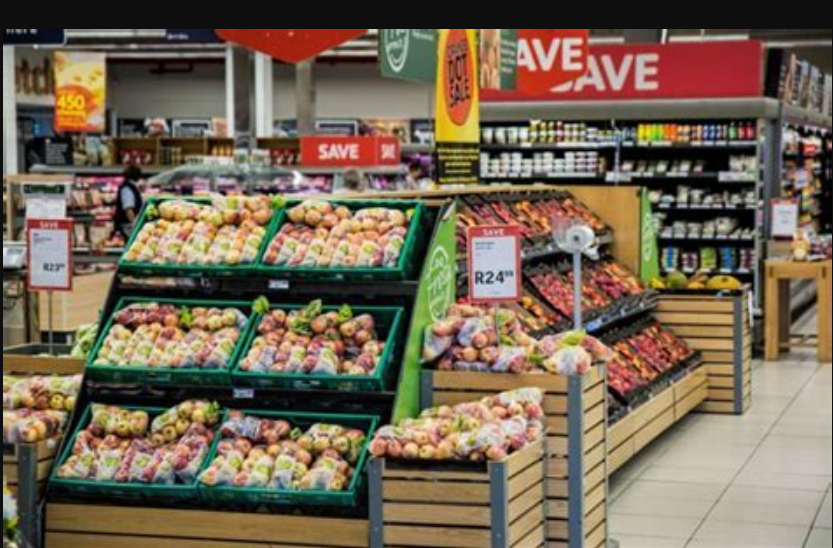
The UK inflation rate may have fallen by more than expected in June, with the rate of 7.9 percent being its lowest in more than a year, but it is still one of the highest inflation rates of any advanced economy – driving up the cost of essential goods and services. So, cash-strapped consumers are seeking to save where they can.
At the traditional street market in St Albans, a commuter city north of London, traders shout out special deals on their wares, tempting customers to buy large boxes of seasonal strawberries, blueberries and cherries.
The annual UK food inflation rate has dropped slightly after hitting a record high in the year to April 2023, but many essential food items still stretch the average budget.
“Britain is still dealing with rampant food price inflation, particularly because of its reliance on imports from abroad, and freak weather conditions that have limited crop supplies,” says Victoria Scholar, Head of Investment at Interactive Investor.
“High inflation tends to make life more difficult for businesses and consumers and exacerbates the cost-of-living crisis. We’ve seen that inflation is currently outstripping wages, so we’re seeing a reduction in the affordability of goods and services as their budgets get squeezed.”
Rising business costs inevitably create higher prices for the consumer. But Matt Major, an independent street food trader at the market, says he tries to avoid his customers taking the hit via increases in the cost of key ingredients such as sugar and dairy products.
“I was very reticent about increasing my prices. You build regulars when you trade in different markets,” he says. “I’ve seen a lot of businesses in the past throw their prices up too high and I think they lose trade.”
Some food items, such as bread, are slowly dropping in price. But milk, cheese and eggs cost almost a third more than a year ago, tea and coffee 18 per cent more, while fish prices are still rising.
Leave a Reply