Introduction
Vitamin D, often called the sunshine vitamin, plays a vital role in bone health by aiding calcium absorption, supports immune function, reduces inflammation, and influences mood and muscle strength. Deficiency links to fatigue, bone pain, frequent infections, depression, and higher risks of osteoporosis, autoimmune issues, and even cardiovascular problems. In winter, reduced daylight hours, lower sun angle, cloud cover, and more indoor time limit UVB rays needed for skin production of vitamin D3. This affects people globally, including in sunny equatorial areas like Lagos, Nigeria (around 6°N latitude), where abundant year-round sun exists but factors like indoor work, air pollution, darker skin tones (which need more exposure), clothing, sunscreen, and lifestyle reduce synthesis. Adults generally need 600–800 IU (15–20 mcg) daily per official guidelines (e.g., NIH, IOM), though many experts suggest 1,000–4,000 IU in winter or for maintenance, especially if levels test low. Blood test for 25(OH)D aims for 30–50 ng/mL. Here’s how to maintain adequate levels through practical steps.
Understand Your Local Context in Lagos
At Lagos’ near-equatorial position, the sun remains high year-round, allowing potential vitamin D production most days if skin exposure occurs midday when UVB is strongest (typically 10 AM–3 PM). Even in “winter” (dry season December–February with harmattan dust reducing clarity), brief outdoor time suffices for many. However, urban indoor lifestyles, office jobs, vehicle commuting, cultural clothing coverage, pollution blocking UVB, and melanin-rich skin (requiring 3–6x longer exposure than lighter skin) often cause widespread deficiency despite sunshine. Studies show Nigerians frequently have low levels due to these barriers. Prioritize short midday outings without full coverage.
Maximize Safe Sun Exposure
Sunlight triggers skin production of vitamin D3 efficiently. In higher latitudes, winter UVB drops sharply above 35–40°N, making synthesis negligible November–February. In Lagos, production continues but optimize it.
Expose face, arms, and legs for 15–30 minutes, 2–4 times weekly, midday. Avoid burning—start short. No need for full body exposure; 20–25% skin suffices. Skip sunscreen during these sessions (reapply after for protection). Cloudy days halve UVB; glass windows block it completely. Walk outdoors, garden, or sit on a balcony. In harmattan, dust cuts rays, so seize clearer days.
For darker skin or limited time, longer exposure (up to 1 hour) may be needed. Track UV index via apps—if above 3, it’s effective.
Incorporate Vitamin D-Rich Foods
Few foods naturally contain vitamin D, mainly D3 from animal sources and D2 from plants. Diet rarely meets full needs alone but boosts intake significantly.
Key natural sources with approximate IU per serving:
- Cod liver oil: 1 tbsp ≈ 1,360 IU
- Rainbow trout (cooked, 3 oz): ≈ 645 IU
- Salmon (sockeye, cooked, 3 oz): ≈ 570 IU
- Farmed salmon (3 oz): ≈ 400–500 IU
- Canned light tuna (3 oz): ≈ 230 IU
- Herring (3 oz): ≈ 180 IU
- Sardines, canned (3 oz): ≈ 160 IU
- Egg yolk (1 large): ≈ 40–50 IU
- Beef liver (3 oz): ≈ 40 IU
UV-exposed mushrooms provide D2 variably (white mushrooms sliced, ½ cup exposed: up to 366–1,100 IU).
Fortified foods help:
- Cow’s milk (1 cup, fortified): ≈ 100–120 IU
- Fortified soy/almond/oat milk (1 cup): ≈ 100–144 IU
- Fortified orange juice (1 cup): ≈ 100 IU
- Fortified yogurt or cereals: check labels, often 80–120 IU per serving
Practical tips: Eat fatty fish (e.g., mackerel, sardines—common in Nigeria) 2–3 times weekly. Add eggs daily. Choose fortified milk or plant milks. Include mushrooms in soups/stews. Pair with magnesium-rich foods (nuts, greens) for better absorption.
Use Supplements Wisely
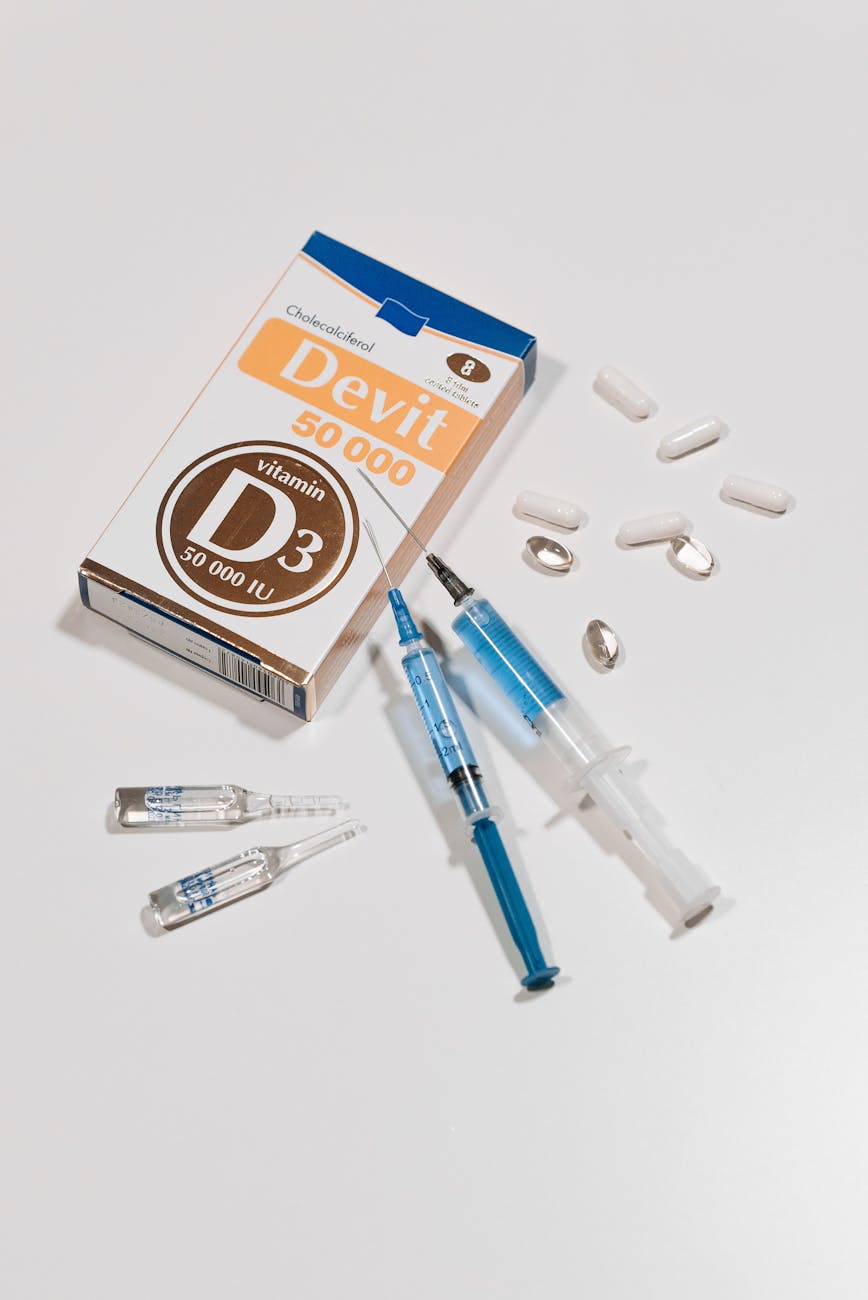
Supplements bridge gaps when sun and food fall short. Vitamin D3 (cholecalciferol) absorbs better and raises levels more effectively than D2.
Guidelines vary:
- NIH: 600 IU (adults 19–70), 800 IU (over 70)
- Many experts: 1,000–2,000 IU daily in low-sun periods
- For deficiency: Higher short-term doses (e.g., 4,000–10,000 IU) under doctor guidance
In Nigeria/Lagos, where deficiency persists despite sun, 1,000–2,000 IU daily often recommended during dry/harmattan season or year-round for at-risk groups (indoor workers, elderly, veiled individuals, obese).
Take with fatty meal for absorption. Test levels every 3–6 months if supplementing long-term. Avoid excess—upper safe limit 4,000 IU daily long-term; toxicity rare below 10,000 IU.
Address Special Considerations and Risks
At-risk groups need extra attention:
- Darker skin tones
- Elderly (less efficient synthesis)
- Obese (vitamin D sequesters in fat)
- Limited outdoor time
- Chronic conditions (e.g., kidney issues)
Symptoms of deficiency: tiredness, bone/muscle pain, hair loss, slow healing, mood changes.
Combine methods: sun + food + supplement for synergy. Pair with calcium sources for bone health.
Light therapy UVB lamps exist but consult professionals.
Conclusion
Maintaining vitamin D in winter—or any low-exposure period—requires proactive steps. In Lagos, leverage available sun with short midday exposures. Boost through fatty fish, eggs, fortified items. Supplement sensibly, ideally after blood test. Consistent habits prevent deficiency and support overall health year-round. Consult a doctor for personalized dosing, especially if symptoms appear or risks apply.
Leave a Reply