
Ex-Navy diver explains how bomb could be detonated at sea
A former Royal Navy bomb disposal diver has explained how the bomb could be detonated when it’s towed out to sea.
Craig Tower said there will likely be a “handover” between Army and Navy experts once it reaches the slipway, when it will be taken “some distance off the mainland”.
Experts will identify any underwater risks such as cabling, electrics or pipelines, he said.
Mr Tower added that there was likely to be a “crane operation” involved in laying it onto the sea bed.
“Once everything’s clear and the cordon at sea is clear and ready for detonation… they’ll then initiate the explosives from a safe location and high order the detail that way,” he said, adding that “conventional explosives” would likely be used as a “donor charge”.
The safest way for it to be detonated is for divers to attach explosives and then come to a safe place on the surface before the explosion, Mr Tower said.
He added that depending on the depth, spectators could see a “high plume” of water and hear a “nice loud bang”.
In pictures: Deserted streets and viewing point for ‘exciting’ afternoon
Residents from around Plymouth have shared pictures of their experiences while the military works to move the bomb.
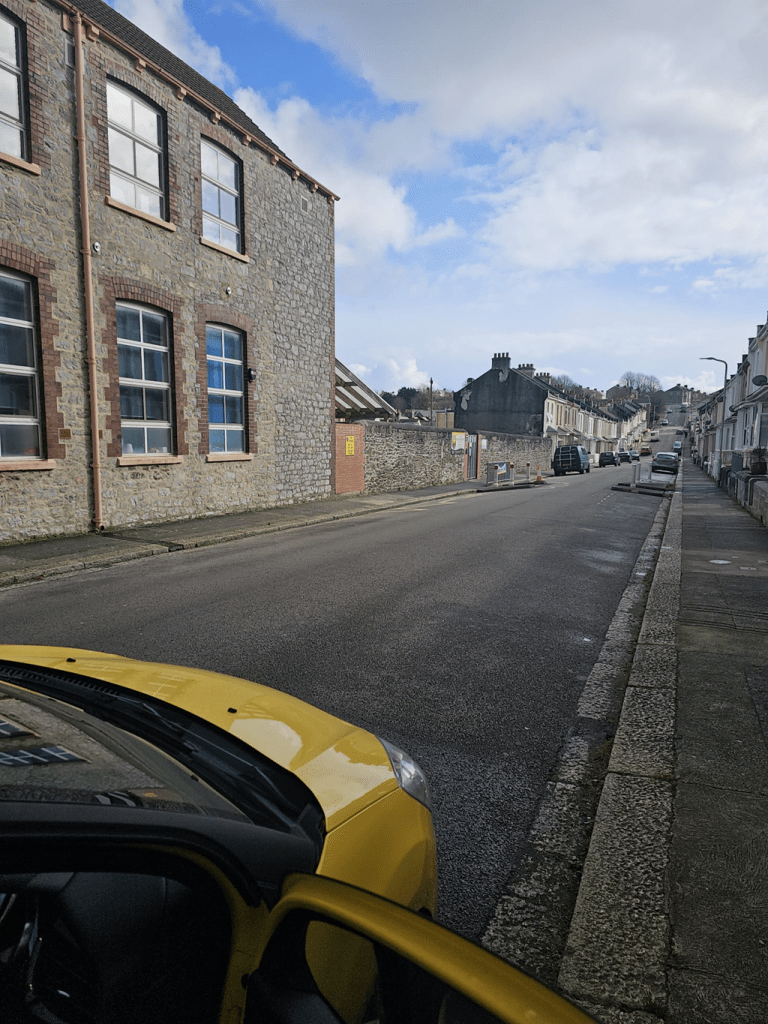
Sasha Page shared a photo she took moments before being evacuated a few roads away from St Michael Avenue where the bomb was found.
She said police and the council were “patrolling” to make sure everyone was vacating the area.
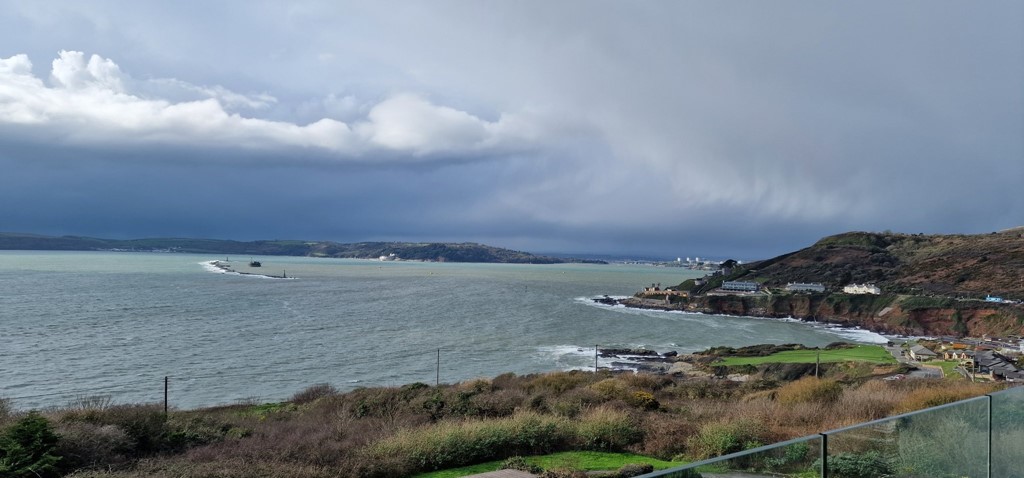
Another resident, Neville Cannon, said he was “set for an exciting afternoon” as he waited down by the breakwater in Plymouth Sound where the military convoy took the unexploded device.
Leave a Reply