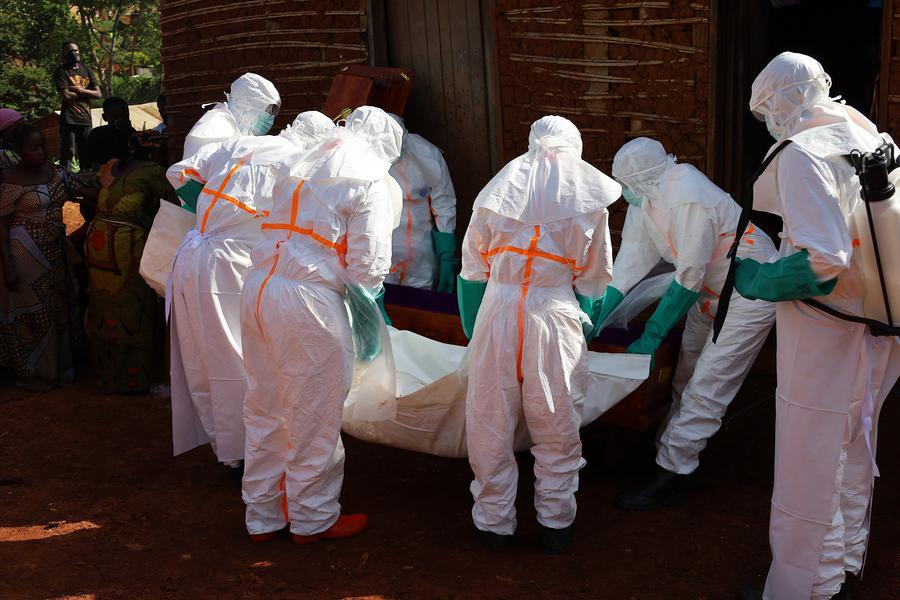
The ongoing Ebola outbreak in the Democratic Republic of Congo has become the country’s largest ever recorded, with confirmed cases surpassing 3,600, according to the World Health Organization (WHO).
As of July 30, the outbreak has recorded 3,605 confirmed cases and 1,587 deaths, giving a case fatality rate of 44 per cent, WHO reported on August 1. The figures exceed the previous record of 3,317 cases recorded during the 2018-2020 outbreak, making this the most severe Ebola epidemic in the DRC’s history.
The outbreak was initially concentrated in the Mongwalu health zone in Ituri province but has rapidly spread over the past two months. The virus has now been detected in 49 health zones across five provinces: Ituri, North Kivu, South Kivu, Haut-Uele and Tshopo. The expanding geographical reach has stretched the capacity of response teams and complicated containment efforts.
Healthcare workers have been particularly hard hit by the outbreak, with 151 infections and 44 deaths recorded among medical personnel. The high toll among health workers highlights significant gaps in infection prevention and control measures within health facilities, further undermining the response capacity in affected areas.
WHO warned that insecurity, population displacement, high mobility, and cross-border movement are severely hampering surveillance and response efforts, increasing the risk of further spread. The affected region has been scarred by decades of conflict and violence, making access to affected communities difficult and dangerous for health teams.
The current outbreak is caused by the Bundibugyo strain of the Ebola virus, for which there is no approved vaccine or treatment. Efforts to develop vaccines are ongoing, with clinical trials underway, but widespread vaccination coverage remains unavailable.
Related: Mpox Emergency Lifted Earlier This Year
In a separate development, the Africa Centres for Disease Control and Prevention (Africa CDC) declared the end of the mpox (formerly monkeypox) outbreak as a continental public health emergency on January 22, 2026. The emergency status had originally been declared in August 2024.
Africa CDC Director General Jean Kaseya emphasised that the lifting of the emergency declaration does not mean mpox is over in Africa. He said the disease remains endemic in some regions and urged countries to maintain vigilance and targeted investment in epidemic prevention to prevent resurgence
Leave a Reply