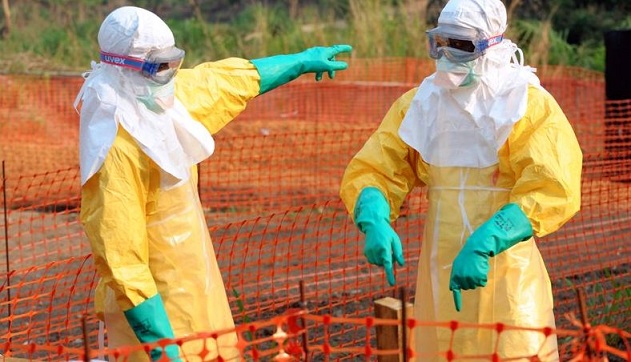
The latest outbreak, caused by the Bundibugyo strain for which there is no approved vaccine, has recorded 3,532 confirmed cases and 1,556 deaths across five provinces
KINSHASA — The Democratic Republic of Congo’s ongoing Ebola outbreak has surpassed 3,500 cases, exceeding the total recorded during the country’s deadliest epidemic between 2018 and 2020, according to official figures released Friday.
Congolese officials published data showing 3,532 confirmed cases of Ebola across five provinces, including 1,556 deaths. Just two months after the outbreak was declared on May 15, medics had recorded 2,000 confirmed cases on July 15. The current figures now top the 3,500 cases recorded during the 2018-2020 outbreak, which killed nearly 2,300 people.
The centre of the current outbreak is northeastern Ituri province, which borders South Sudan and Uganda. The virus has also been detected in four other provinces, including North Kivu and South Kivu, where provincial capitals and large swathes of land are controlled by the Rwanda-backed M23 armed group. The region has been scarred by more than three decades of violence, complicating response efforts.
The DRC’s 17th Ebola outbreak is caused by the Bundibugyo strain of the virus, for which there is no approved vaccine or treatment. However, efforts to develop vaccines are underway. Last week, a first volunteer received the first dose of a Bundibugyo vaccine being developed by Oxford University under a clinical trial. On Thursday, Singapore-based Hilleman Laboratories announced it would develop a vaccine described by the World Health Organization as the “most promising” to fight the current outbreak.
Ebola, which spreads through contact with bodily fluids and causes haemorrhagic fever, has killed more than 15,000 people across Africa over the past 50 years. Uganda declared itself Ebola-free this week after the recovery of the last case of local transmission, but the WHO says the country remains at risk due to the spread in its neighbour.
The true extent of the current outbreak remains hard to assess, with conflict in the east hampering access to affected communities. Health authorities continue to face significant challenges in containing the virus amid ongoing insecurity and the presence of armed groups controlling large areas of the affected provinces.
Leave a Reply